
BLOG
Knowledge
Technology and Services
What is a Wire Harness? Structure and role of wire harness in industrial equipment
2026-10-05
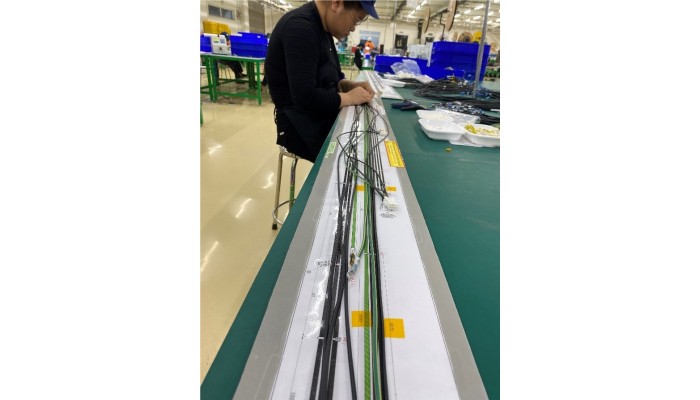
Wire harness, also known as wiring harness or electrical wiring harness, is an assembly of electrical wires put together according to a specific design to transmit electrical power or signals between components of a device. In Vietnamese, this term is often called cụm dây điện, bó dây điện or bộ dây điện. The wires are arranged, branched, and fixed into an assembly, making installation more convenient than connecting individual wires separately. Depending on the design, a wire harness may include connectors, terminals, protective materials, and identification labels.
What components does a Wire Harness include?
The structure of a wire harness varies according to its function and installation space. Common components include:
| Component | Function |
| Electrical wire or cable | Transmits electrical power and signals |
| Terminal or contact | Creates electrical contact points at the wire ends |
| Connector housing | Holds the terminals and positions them during connection |
| Protective tubing, heat shrink tubing, or tape wrapping | Protects and organizes the wire routing |
| Cable ties, clamps | Secures wires and branches according to design |
| Labels or marker sleeves | Identifies wires, branches, and connection points |
A wire assembly can run straight between two locations or branch into multiple paths. Protective materials and arrangement are selected according to equipment requirements. Not every wire harness requires all of the above components.
How does a Wire Harness differ from individual wires or cables?
Electrical wires or cables are conductive materials. A wire harness is an assembly that has been organized and put together to match the connection diagram of a device. For example, in a production machine, power supply wires, sensor wires, and control wires may need to go to various locations. The wire harness design determines the length, branching points, connectors, and routing of each group of wires.
Why do industrial devices need Wire Harnesses?
Wire organization and ease of maintenance
Fixing, identifying, and arranging wires by function helps assemblers or maintenance personnel find the correct wires to work with. Properly organized branches also help optimize space within the device.
Wire protection according to usage environment
Depending on the installation location, wires may be subject to friction, heat, humidity, or mechanical impact. Protective tubing, sheathing materials, and wire retention components must be selected according to actual conditions.Bundling wires into an assembly does not automatically create water resistance, heat resistance, or noise immunity. These features depend on the design, materials, and protective structure.
Convenience for equipment assembly
A wire assembly prepared according to drawings reduces the need to handle individual wires during the final assembly stage. Requirements for length and connection points are determined in advance, supporting installation with a consistent configuration.
Where are Wire Harnesses used?
In industrial devices, wire assemblies serve to connect power, signals, and controls between different components. Configurations can be simple or include multiple branches, depending on the system design.PREC Vietnam supplies wire harnesses for use in production equipment, communication and control systems, medical devices, analytical equipment, and automobiles. The wire assemblies are processed, assembled, and tested according to customer drawings and technical requirements.Twisted wire processing is a step that may appear in wire harness manufacturing, depending on design requirements. To learn more about this specific process, see the article What is Twisted Wire Processing in Wire Harnesses? Role and Technical Requirements.
PREC Vietnam's Wire Harness Assembly Capabilities
PREC Vietnam specializes in precision mechanical processing and custom wire harness assembly, catering from prototype production to mass production.During implementation, PREC supports converting PDF drawings to CAD and creating 1:1 scale inspection drawings for assembly and quality control. The team includes 11 technicians certified with Level 1 soldering certification from the Japan Welding Society, contributing to maintaining the quality of solder joints in wire assemblies.PREC performs continuity, insulation, withstand voltage, and instantaneous open circuit detection tests according to product requirements. Test data is stored and managed, allowing customers to retrieve results and verify quality when needed.Businesses requiring wire harness processing according to drawings can send connection diagrams, technical requirements, and estimated quantities for PREC to assess capability and provide a quotation.
Company Information
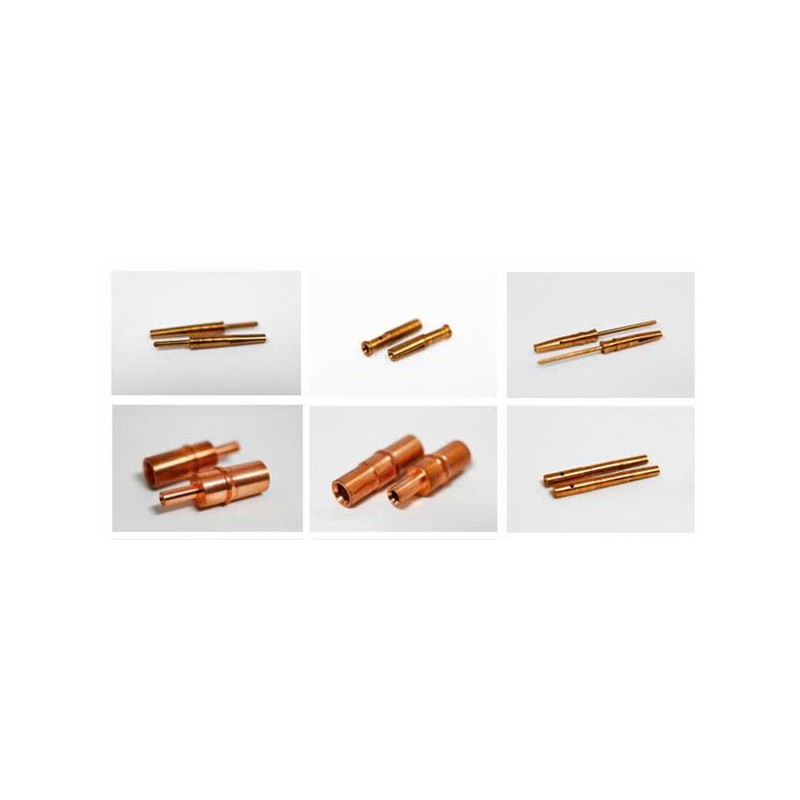
Precision parts cutting / Heat treatment operations / All operations related to the above
Prec Vietnam is a manufacturing company based in Vinh Phuc Province, Vietnam, operating in two key areas: precision machining and wire harness assembly. Originally specializes in lathe processing in J ...
PICKUP
Technology & Services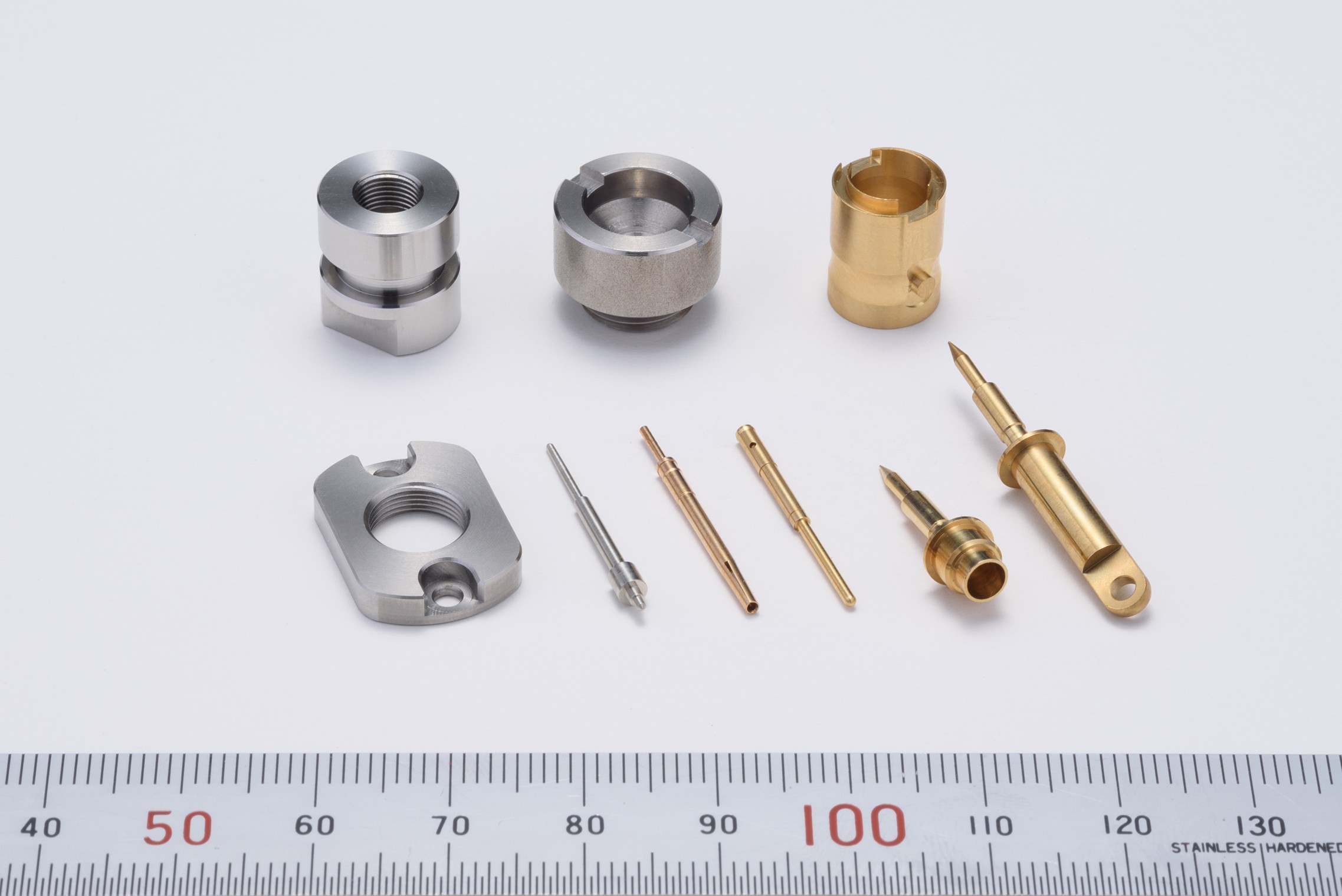

CONTACT
Contact