
BLOG
Knowledge
Technology and Services
How do AI trends impact the machining industry? Opportunities for CNC turning and automatic turning factories in Vietnam
2026-06-17
AI not only impacts software but also reshapes the demand for mechanical machining
When it comes to AI, many often think of software, chips, GPUs, AI servers, or data centers. However, for AI systems to operate, behind them lies a vast hardware supply chain, including PCB boards, connectors, terminals, signal transmission components, thermal management components, wire harnesses, testing equipment, jigs, fixtures, and numerous precision mechanical parts.This means that the AI trend not only creates opportunities for the semiconductor or electronics industry but also directly impacts the **precision machining industry**. Specifically, businesses with capabilities in **CNC turning, automatic turning, centerless grinding, cylindrical grinding, and mass production quality control** can benefit from the demand for small components, tight tolerances, and high volume production.In this context, the CNC turning and automatic turning industries become a crucial link because many components serving AI, PCBs, electronic devices, data centers, and production lines are in the form of **pins, small shafts, connectors, fittings, bushings, spacers, shafts, or cylindrical parts**.
How does AI impact the mechanical machining industry?
AI increases the demand for precision mechanical machining through 6 main directions:
| Impact Area | Related Component Group | Suitable Machining Technology |
| High-performance PCBs, multi-layer PCBs | PCB drill shanks, small shaft components | CNC turning, automatic turning, centerless grinding, cylindrical grinding |
| Increased signal transmission demand | Connector pins, contact pins, terminals | Automatic turning, CNC turning, groove machining, surface treatment |
| Data centers and high-power equipment | Fittings, nozzles, small valves, bushings, thermal management components | CNC turning, automatic turning, copper/aluminum/stainless steel machining |
| Electronic devices and AI vision | Small shafts, spacers, rings, camera/optical components | Precision turning, grinding, visual inspection |
| Production automation | Positioning pins, guide pins, jig parts, inspection pins | Turning, grinding, heat treatment, dimensional inspection |
| Mass production of small components | Precision pins, straight pins, taper pins, shaft-like components | Automatic turning, centerless grinding, lot management |
High-performance PCBs increase demand for PCB drill shanks and small shaft components
One of the clear impacts of AI is the demand for high-performance PCBs. AI servers, high-speed networking equipment, and data storage systems often require multi-layer PCBs with high connection density and great reliability. As PCBs become more complex, the PCB drilling process also demands more precise tools.This is why the demand for **PCB drills** and **PCB drill shanks** is likely to increase in the supply chain.
What are the requirements for PCB drill shanks?
PCB drill shanks are small components but require high technical precision, especially in terms of: concentricity; roundness; straightness; stable outer diameter; smooth surface; tight tolerances; stability at high rotational speeds; and consistent quality in mass production.If the drill shank is unstable, the drilling tool may vibrate, misalign holes, or affect the accuracy of PCB drill holes. Therefore, processes such as **automatic turning, CNC turning, centerless grinding, and cylindrical grinding** play a crucial role.
Connector pins, contact pins, and terminals increase with electrical/signal connection demand
AI servers, networking equipment, cameras, electronic devices, electric motorcycles, industrial equipment, and wire harnesses all require numerous electrical connection points. Among these, **connector pins**, **contact pins**, and **terminals** are small components but directly affect the quality of signal and power transmission.As devices have higher processing speeds, greater connection density, and higher stability requirements, electrical contact components must also be better controlled.
What are the requirements for machining connector pins?
Connector pins typically require:
| Category | Technical Requirements |
| Dimensions | Tight tolerances, stability between lots |
| Form | Control of concentricity, straightness, roundness |
| Surface | No scratches, no chips, minimized burrs |
| Holes/Grooves | Control of chips, burrs in deep holes or slit grooves |
| Material | Copper, brass, phosphor bronze, stainless steel, or conductive materials |
| Surface Treatment | Gold plating, nickel plating, or anti-oxidation treatment |
| Mass Production | Maintain consistent quality in large quantities |
For connector pins, even a small defect such as burrs, surface scratches, dimensional deviation, or unstable plating can cause assembly errors or electrical contact failures. Therefore, the quality control capability of the machining supplier is a very important factor.
Data Centers and Cooling Systems Create New Demand for CNC Turned Components
AI servers and data centers consume high power and generate significant heat. Therefore, thermal management and cooling systems become a critical part of AI infrastructure. In addition to large heat sink assemblies, these systems also require many small parts machined by CNC turning or automatic turning.Related components may include: fittings; nozzles; small valves; pipe connectors; bushings; spacers; copper components; aluminum components; stainless steel components; connection parts in liquid cooling systems.These parts often require sealing integrity, thread accuracy, material strength, corrosion resistance, and dimensional stability. Therefore, businesses with capabilities in machining copper, brass, aluminum, stainless steel, and dimensional control can find additional opportunities in the thermal management and cooling component group.
Cameras, AI Vision, and Optical Devices Increase Demand for Small Components with High Aesthetic Quality
AI is not only developing in servers but also in industrial cameras, robot vision, image inspection equipment, new model cameras, and optical devices. These products require many small components with high precision and good aesthetic quality.Component groups that may see increased demand include: spacers; rings; small shafts; bushings; lens retaining parts; camera module assembly components; optical lens-related components.For this product group, requirements are not only precise dimensions but also **no scratches, no chips, no burrs, good concentricity, and stable surfaces**. This product group is suitable for businesses with capabilities in precision turning, grinding, and visual inspection using appropriate measuring equipment.
Production Automation Drives Demand for Jigs, Positioning Pins, and Inspection Pins
As electronics and AI hardware production increases, so does the demand for assembly lines, testing equipment, jigs, and fixtures. This is a less-noticed group but directly related to the precision machining industry.Commonly used parts include: positioning pins; guide pins; straight pins; taper pins; inspection pins; small shafts; pins used in jigs; components for measuring equipment.These parts require precision, hardness, wear resistance, and stability during repetitive use. Some products require heat treatment after turning to achieve the required hardness or strength.Therefore, businesses with capabilities in **turning, grinding, heat treatment, and dimensional inspection** can participate not only in end products but also in the ecosystem of manufacturing and testing equipment for the electronics industry.
AI Opens New Opportunities for Precision Machining, Precision Turning Industries
The AI trend is expanding demand for hardware, from AI servers, data centers, high-performance PCBs to electronic devices, cameras, wire harnesses, and testing equipment. This impact leads to an increasing demand for precision mechanical components produced by CNC turning, automatic turning, centerless grinding, and cylindrical grinding.For the mechanical machining industry, this is both an opportunity and a challenge. New orders often come with higher requirements for tolerances, mass production stability, burr control, surface quality, material processing, and dimensional inspection.In this context, businesses with capabilities in machining small parts, stable mass production, and strict quality control will have a greater advantage.
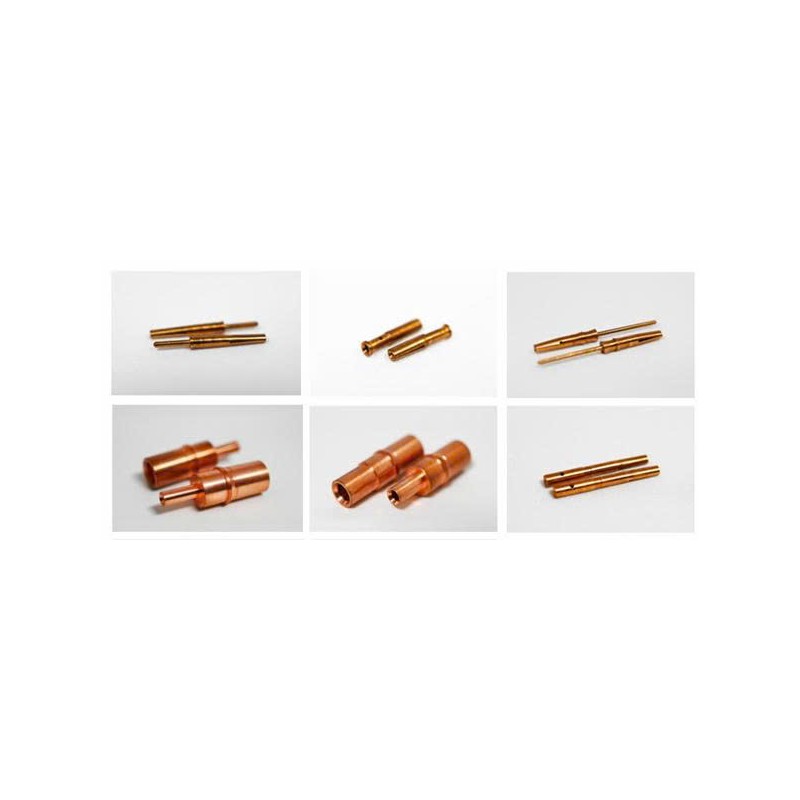
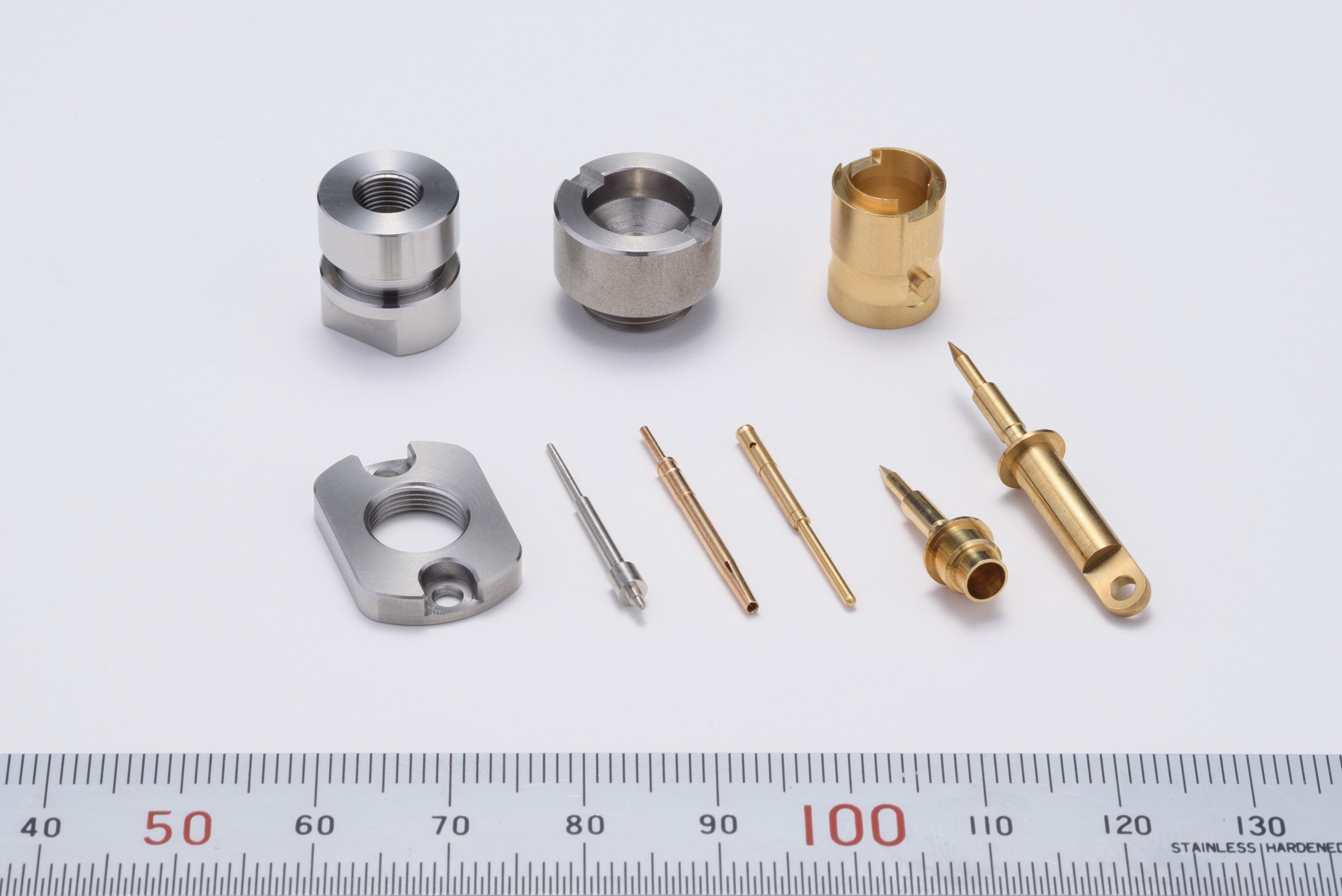
PREC Việt Nam is a company with strengths in **automatic turning, CNC turning, and precision grinding**, inheriting manufacturing and quality management experience from its **parent company in Japan**. The company has experience in machining products such as heads and **PCB drill shanks, connector pins, contact pins, and precision shaft/pin-type components**.
Company Information
Precision parts cutting / Heat treatment operations / All operations related to the above
Prec Vietnam is a manufacturing company based in Vinh Phuc Province, Vietnam, operating in two key areas: precision machining and wire harness assembly. Originally specializes in lathe processing in J ...
PICKUP
Technology & Services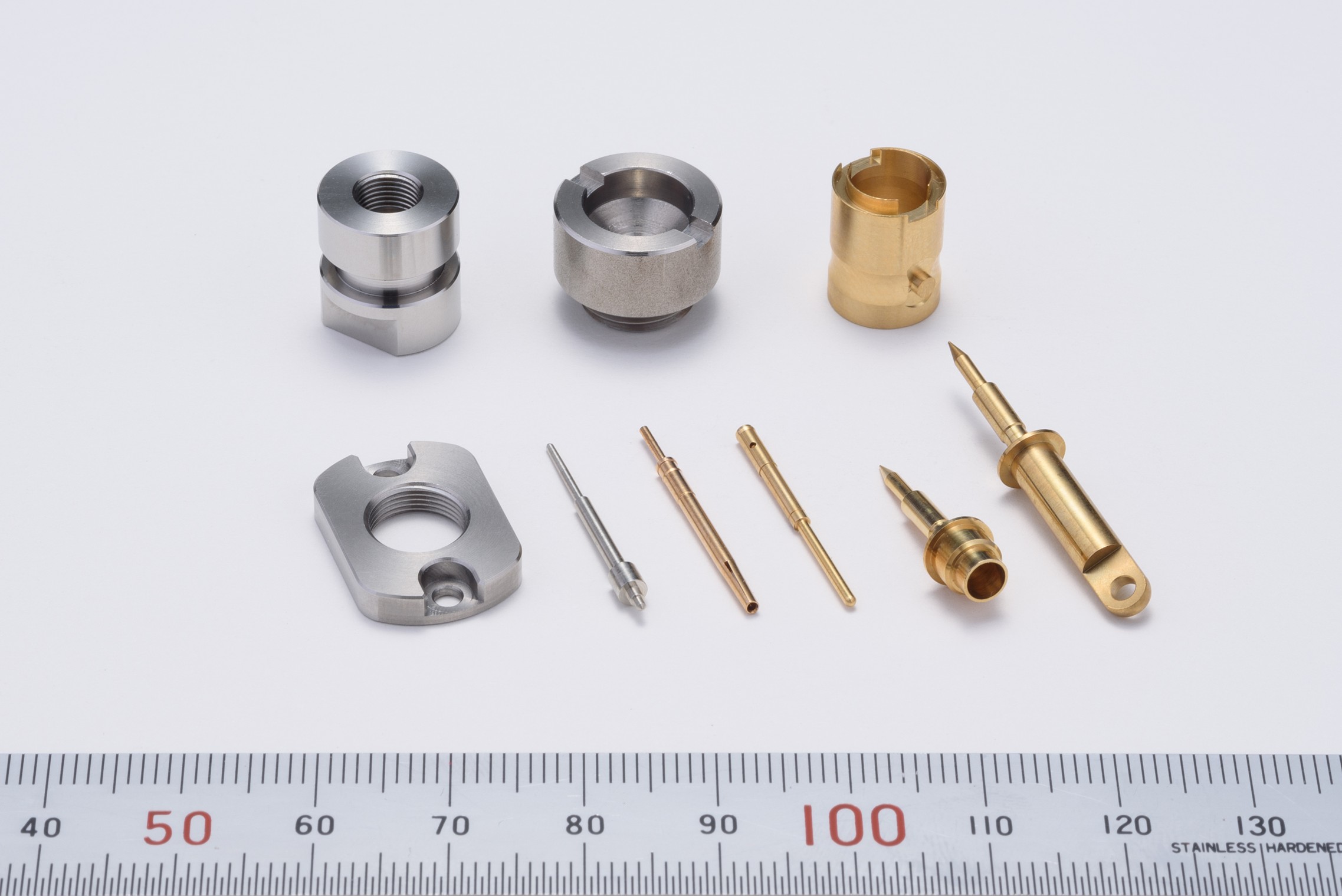

CONTACT
Contact