
LILAMA 10 Joint Stock Company
BLOG
Knowledge
Technology and Services
How does PWHT help reduce residual stress and prevent weld cracking?
2026-05-27
The Role of Post-Weld Heat Treatment in Heavy Industrial Steel Structures
In the field of heavy industrial steel structure fabrication, such as hydropower, oil and gas, pressure vessels, piping, or hydrogen plants, weld quality is a direct determinant of equipment safety and lifespan. Especially for structures using thick steel from 40mm to over 100mm, the welding process can generate significant residual stress and the risk of weld cracking if not properly controlled.
One of the most important solutions today is PWHT – Post Weld Heat Treatment. This technology is widely applied in heavy fabrication to reduce residual stress, stabilize the metal microstructure, and enhance the durability of steel structures.
What is Post-Weld Residual Stress?
During the welding process, the weld area is heated to a very high temperature and then cools rapidly. However, the rates of thermal expansion and contraction vary unevenly between different material zones, especially in thick steel structures. As a result, "residual stress" (Residual Stress) appears within the material – a type of stress that exists even when the structure is not under load.
These stresses typically concentrate in: the weld zone, the Heat Affected Zone (HAZ), and intersection points of steel structures
Prolonged residual stress can cause: structural deformation, reduced load-bearing capacity, weld cracking during operation, and decreased equipment lifespan
Especially in high-pressure equipment such as hydropower penstocks, pressure piping, or oil storage tanks, controlling residual stress is a mandatory technical requirement.
Why do Thick Steel Structures Require PWHT?
Thick steel structures always face more challenges during welding compared to thin materials.
The reasons are:
thick steel has high heat retention capacity
the temperature difference between the surface and the core of the material is very high
uneven cooling rates
the heat-affected zone (HAZ) is prone to increased hardness
As material thickness increases, the risk of defects such as: cold cracking, delayed cracking, hydrogen-induced cracking, and significant structural deformation also increases considerably.
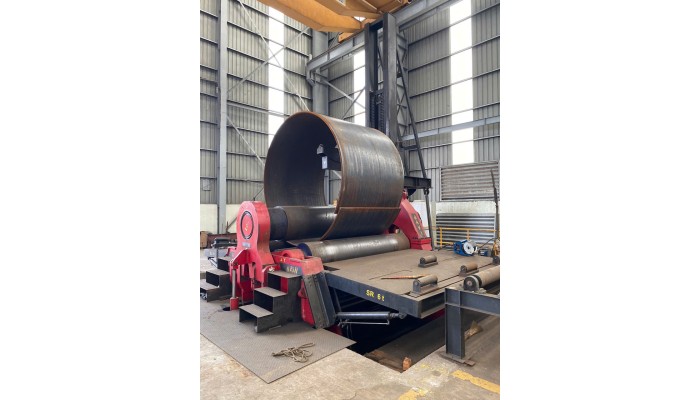
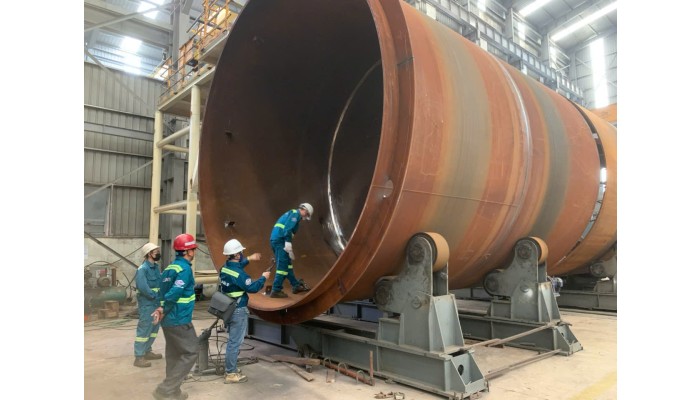
For heavy fabrication projects using steel up to 100mm thick, such as:
penstock fabrication for hydropower
pressure vessels
oil and gas structures
hydrogen modules
industrial tanks and vessels
PWHT is almost an indispensable step to ensure long-term stability and operational safety.
How Does PWHT Reduce Residual Stress?
PWHT (Post Weld Heat Treatment) is a heat treatment process performed after welding is completed.
During this process, the entire structure or a part of it will be: heated to a specified temperature, held at temperature for a standard duration, and cooled under controlled conditions
The main objective of PWHT is to reduce residual stress generated after welding.
Through controlled heating, the metal structure will be "relaxed," which helps to:
reduce concentrated tensile stress
stabilize the metal microstructure
improve ductility
reduce HAZ hardness
This helps the steel structure achieve a more stable state before being put into operation.
How Does PWHT Prevent Weld Cracking?
One of the most important roles of post-weld heat treatment is to mitigate the risk of weld cracking.
When PWHT is performed correctly, crack-inducing factors are significantly reduced:
reduced residual stress
reduced stress concentration
facilitates hydrogen diffusion out of the metal
reduced hardness in the heat-affected zone
This helps to prevent many dangerous types of defects such as:
Hydrogen Cracking
Toe Crack
Root Crack
Delayed Crack
This is why industries requiring high safety standards, such as hydropower, thermal power, oil and gas, chemical, and hydrogen energy, all mandate the application of PWHT for large pressure-bearing steel structures.
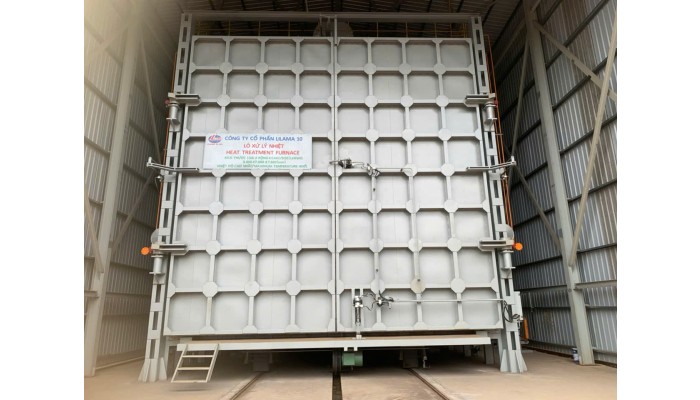
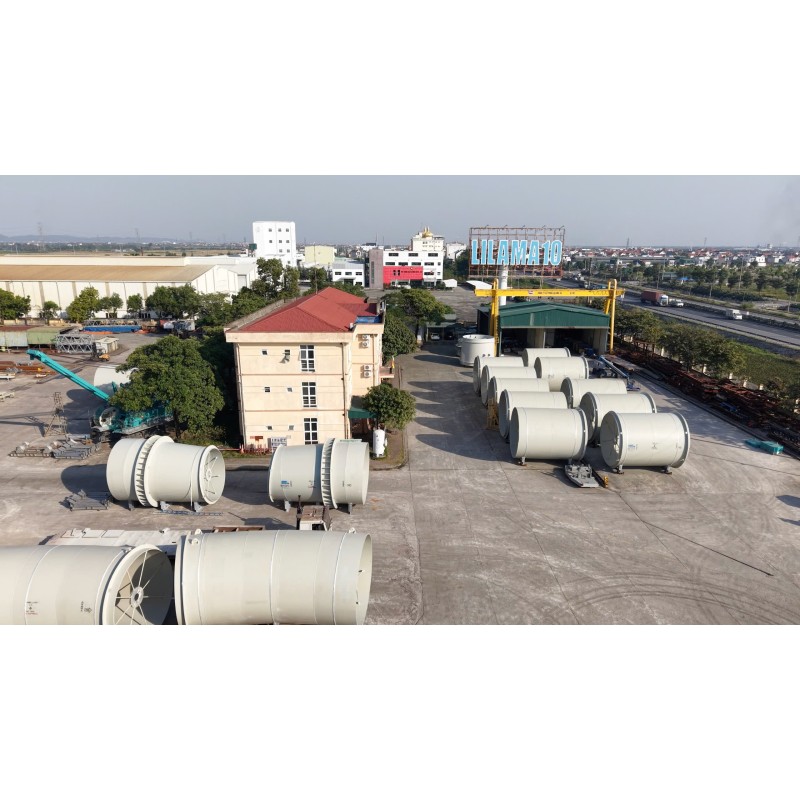
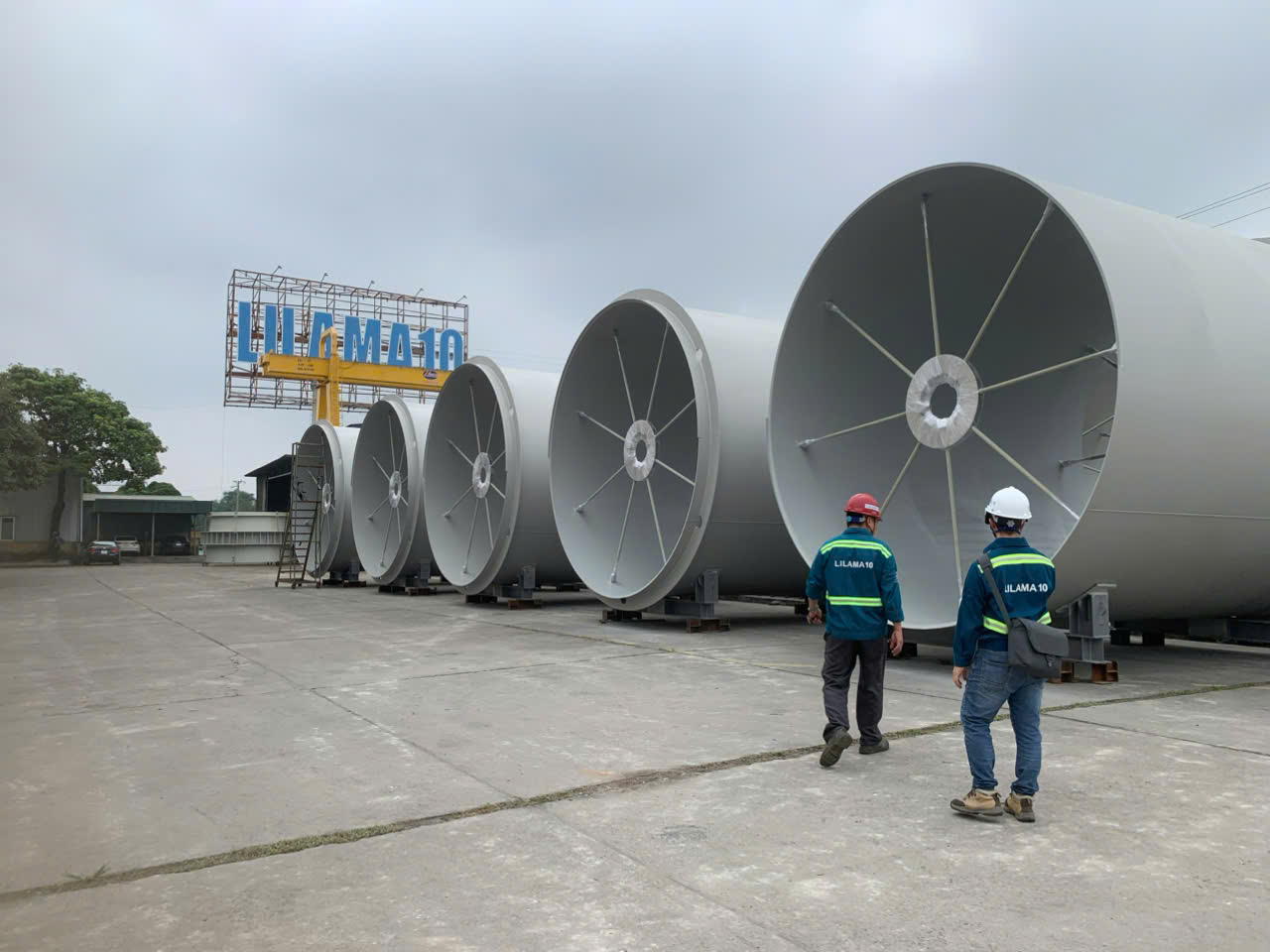
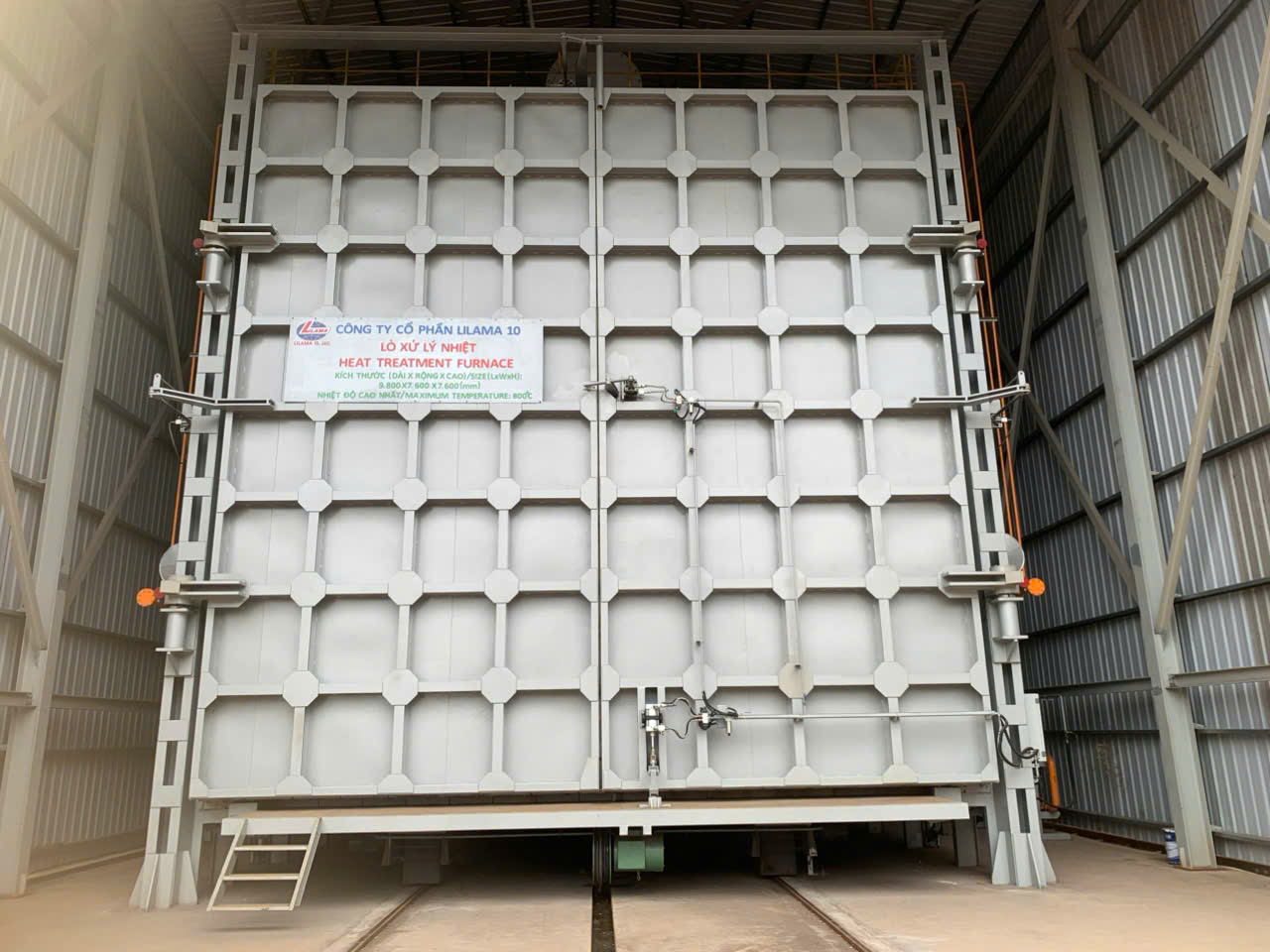
Lilama 10 is one of the structural fabrication enterprises in Vietnam that owns and operates a large-scale Post Weld Heat Treatment (PWHT) furnace, meeting stringent technical requirements in the hydropower, oil and gas, and energy sectors. The PWHT furnace system, with dimensions of 9,800 × 7,600 × 7,600 mm, allows for the treatment of pressure pipes (penstocks) over 7m long, suitable for large-scale heavy industrial projects. The entire heating, soaking, and cooling process is automatically controlled by a central monitoring system, ensuring precise control of temperature and treatment time according to international standards.
Company Information
Main 3 Products
Construction Installation / Office Rental
Phone Number
LILAMA10 Joint Stock Company is a leading enterprise in manufacturing, installation, and technical services for civil, industrial, transportation, and infrastructure projects.To meet the demands and c ...
PICKUP
Technology & Services
CONTACT
Contact