
YAMAGUCHI VIETNAM JSC
BLOG
Knowledge
Technology and Services
Aluminum Die Casting Process: From Molten Aluminum to Finished Product
2026-05-14
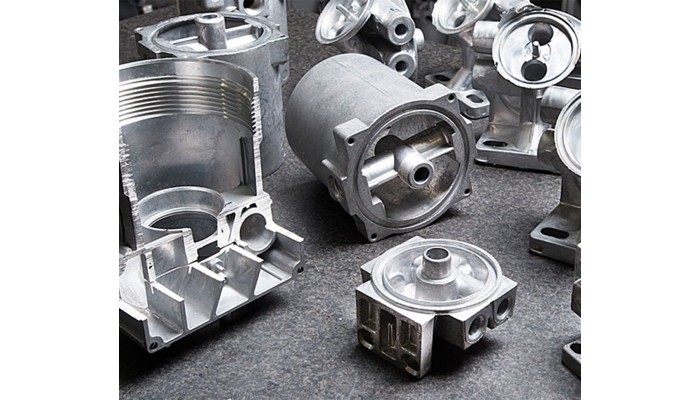
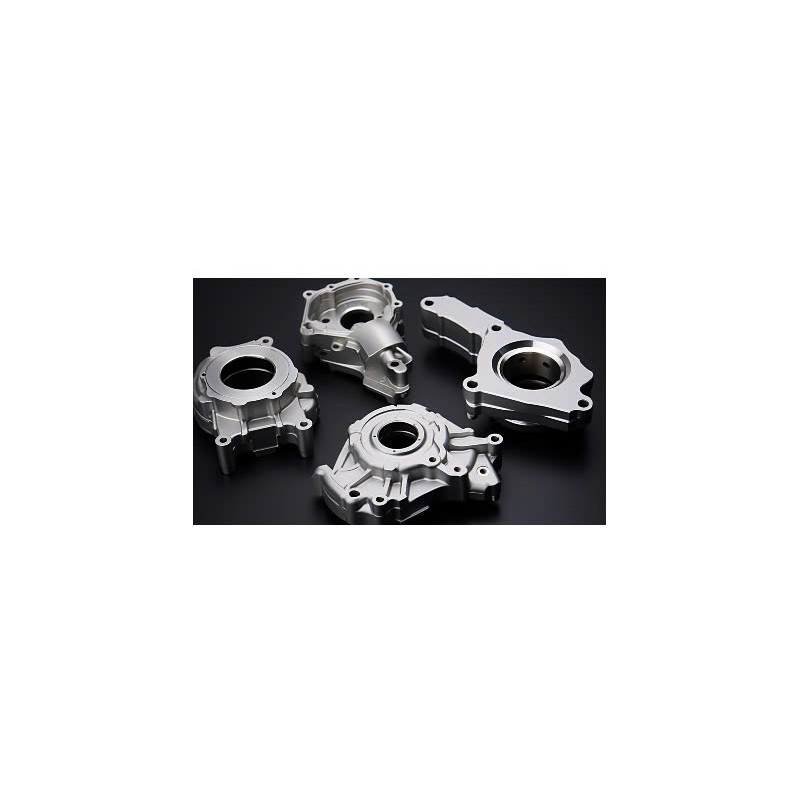
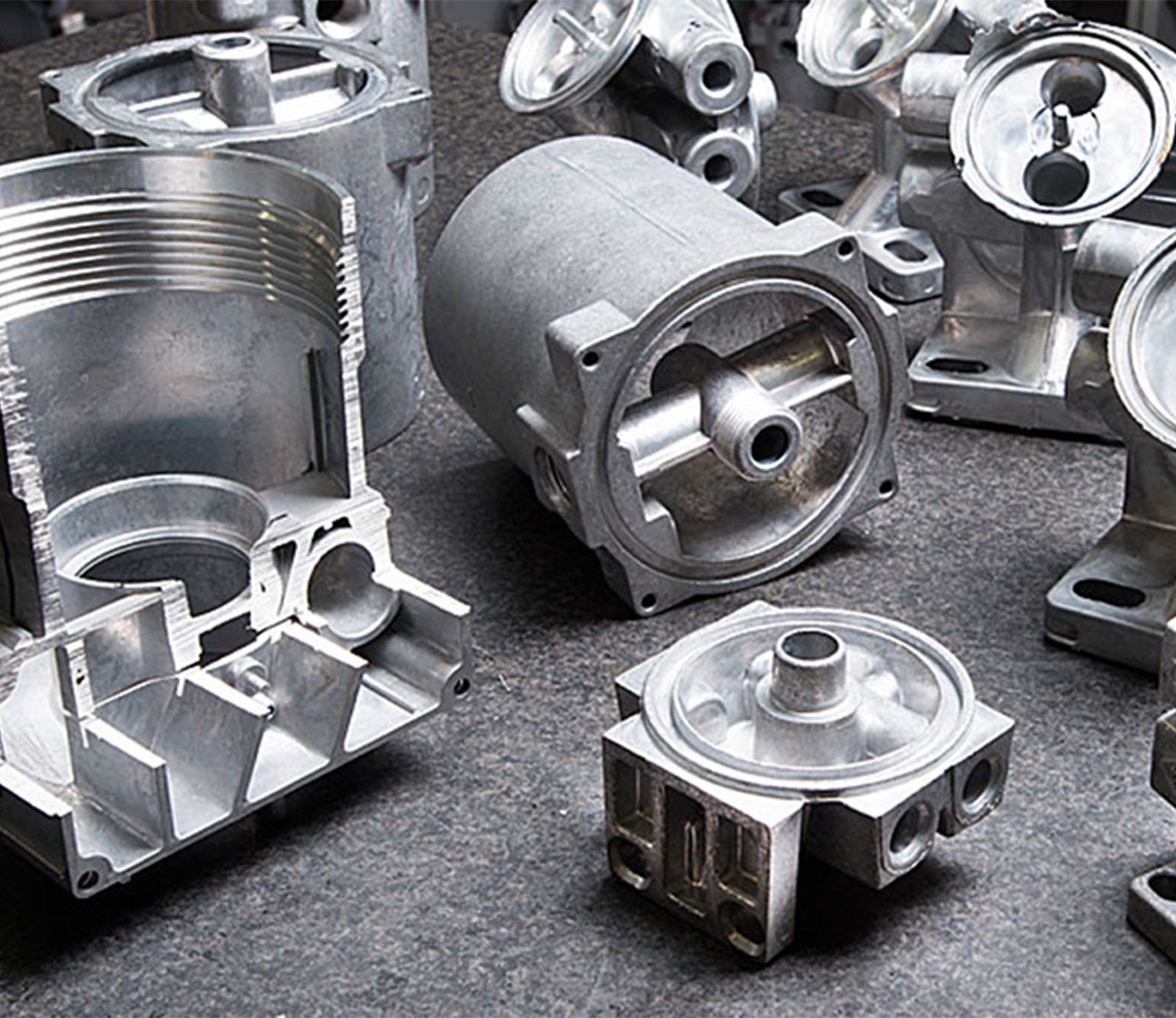
Aluminum Die Casting is a method of injecting molten aluminum into a steel mold under high pressure to create products with high dimensional accuracy, excellent surface finish, and suitability for mass production. This technology is widely applied in the automotive, electronics, precision engineering, aerospace, and energy industries.
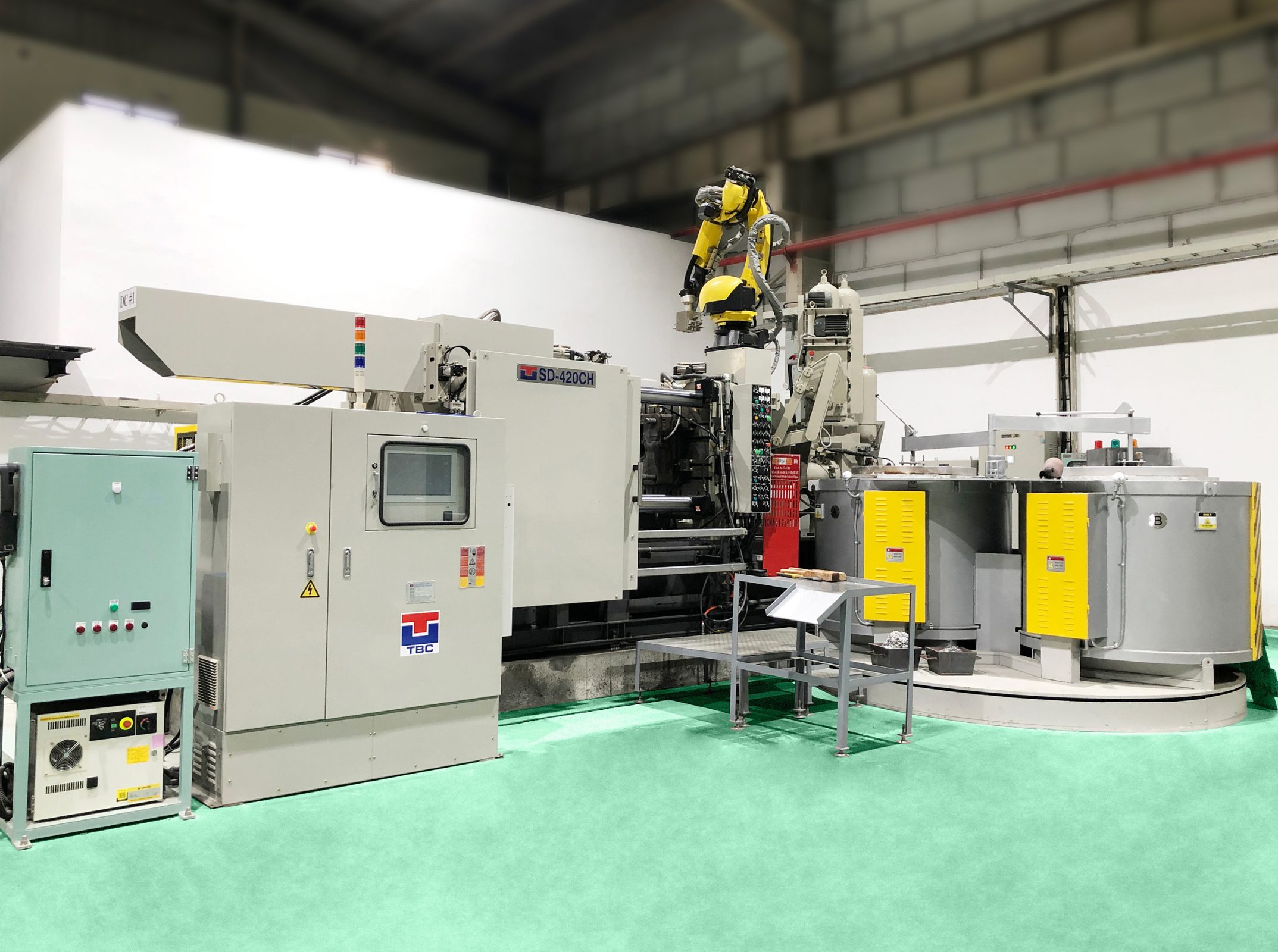
At Yamaguchi Vietnam, the aluminum die casting system is invested with machines of 420 tons and 800 tons capacity, meeting a production output of over 65,000 products per month for various industries.
What are the steps in the aluminum die casting process?
1. Product and Mold Design
The die casting process begins with technical drawing analysis and mold design.
At this stage, engineers will determine:
- Product shape
- Wall thickness
- Gate location
- Venting channels
- Material shrinkage
Mold design directly affects: Product quality, Defect rate, Mold lifespan, Production efficiency
For high-tech products, optimizing metal flow and venting is crucial to minimize porosity and surface cracks.
2. Aluminum Alloy Melting
Aluminum alloy is heated in an electric furnace to the appropriate temperature before being fed into the casting machine.
Common materials: ADC12, A380, ADC6
Each alloy type will have:
- Different strengths
- Different castability
- Different thermal conductivity
At Yamaguchi, a rotary electric furnace system and material composition analysis equipment are used to ensure stable quality of incoming alloys.
3. High-Pressure Metal Injection into the Mold
After the molten aluminum reaches the required temperature, the metal is injected into the mold cavity at high speed and pressure. This is the most critical step in the aluminum die casting process. Objectives: Rapid mold filling, Prevent premature solidification, Reduce air bubbles, Achieve high precision
Yamaguchi currently operates die casting machines: DC-350T, DC-650T, DC-800T with the capability to produce products with a maximum weight of 6.5 kg.
4. Cooling and Solidification
After the mold is filled with metal, the cooling system helps the aluminum solidify quickly.
Cooling rate significantly affects: Material structure, Hardness, Strength, Dimensional stability
Good mold temperature control helps to:
- Reduce deformation
- Reduce shrinkage
- Increase product stability
5. Product Ejection from the Mold
Once the product has completely solidified, the mold is opened, and a robotic system or automatic mechanism ejects the product.
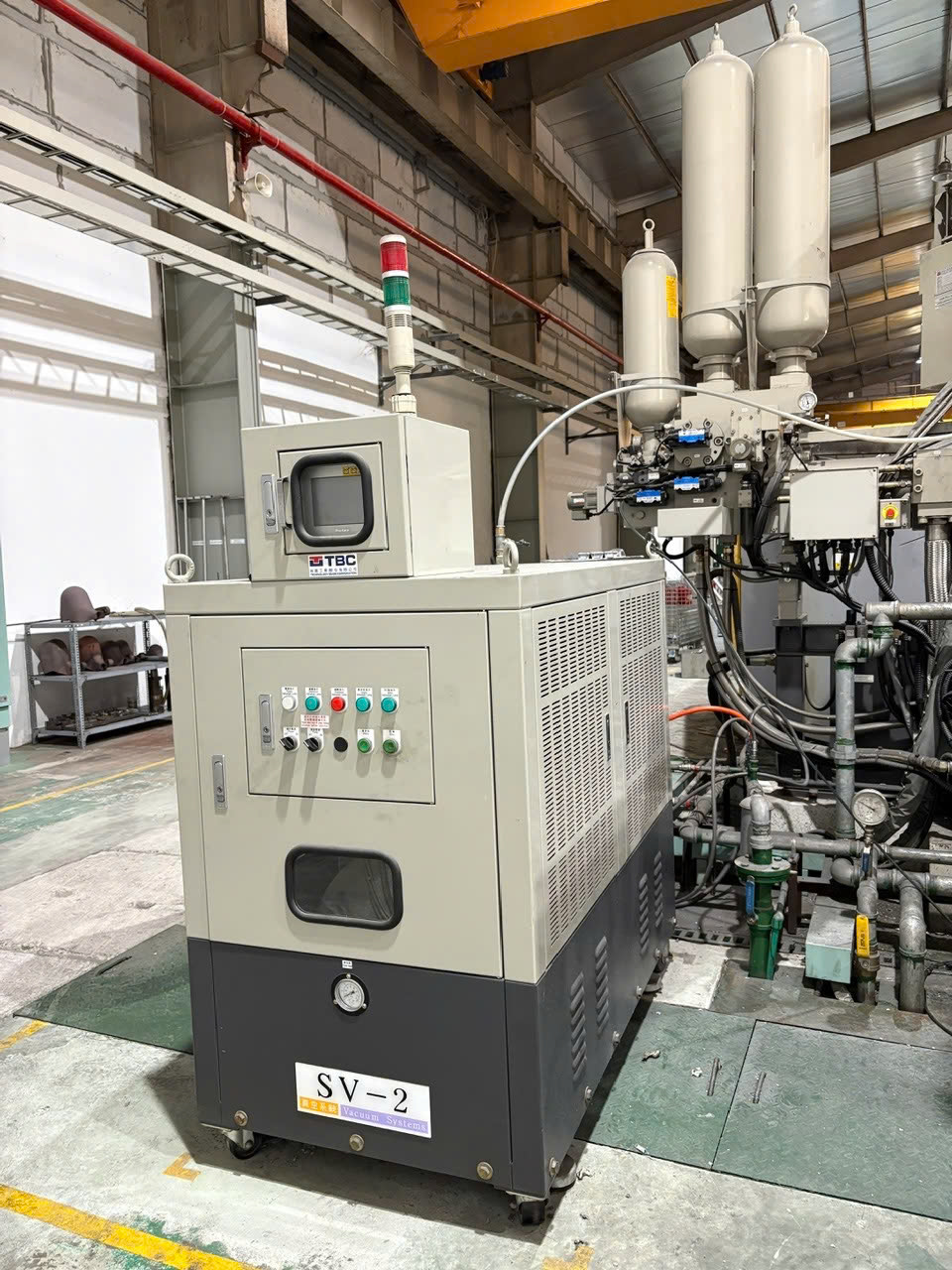
In modern die casting lines, stable control of the casting process is crucial for reducing defects and improving product quality. Therefore, Yamaguchi invests in robotic spray systems and vacuum equipment in its die casting lines to optimize the production process.
Spray Robot in Die Casting Line
Spray robots are used to:
- Uniformly spray mold release agent
- Control mold surface temperature
- Reduce mold sticking
- Increase stability between production cycles
Vacuum System in Die Casting
During the injection of molten aluminum into the mold, residual air in the mold cavity can cause: Porosity, Air bubbles, Reduced mechanical strength,... The vacuum system helps to:
- Reduce the amount of air in the mold before metal injection
- Minimize porosity defects
- Improve material density
- Enhance product surface quality
6. Deburring and Surface Treatment
After casting, products will undergo:
- Removal of excess material and flash
- Surface cleaning
- Shot blasting
- Visual inspection before moving to the finishing stage
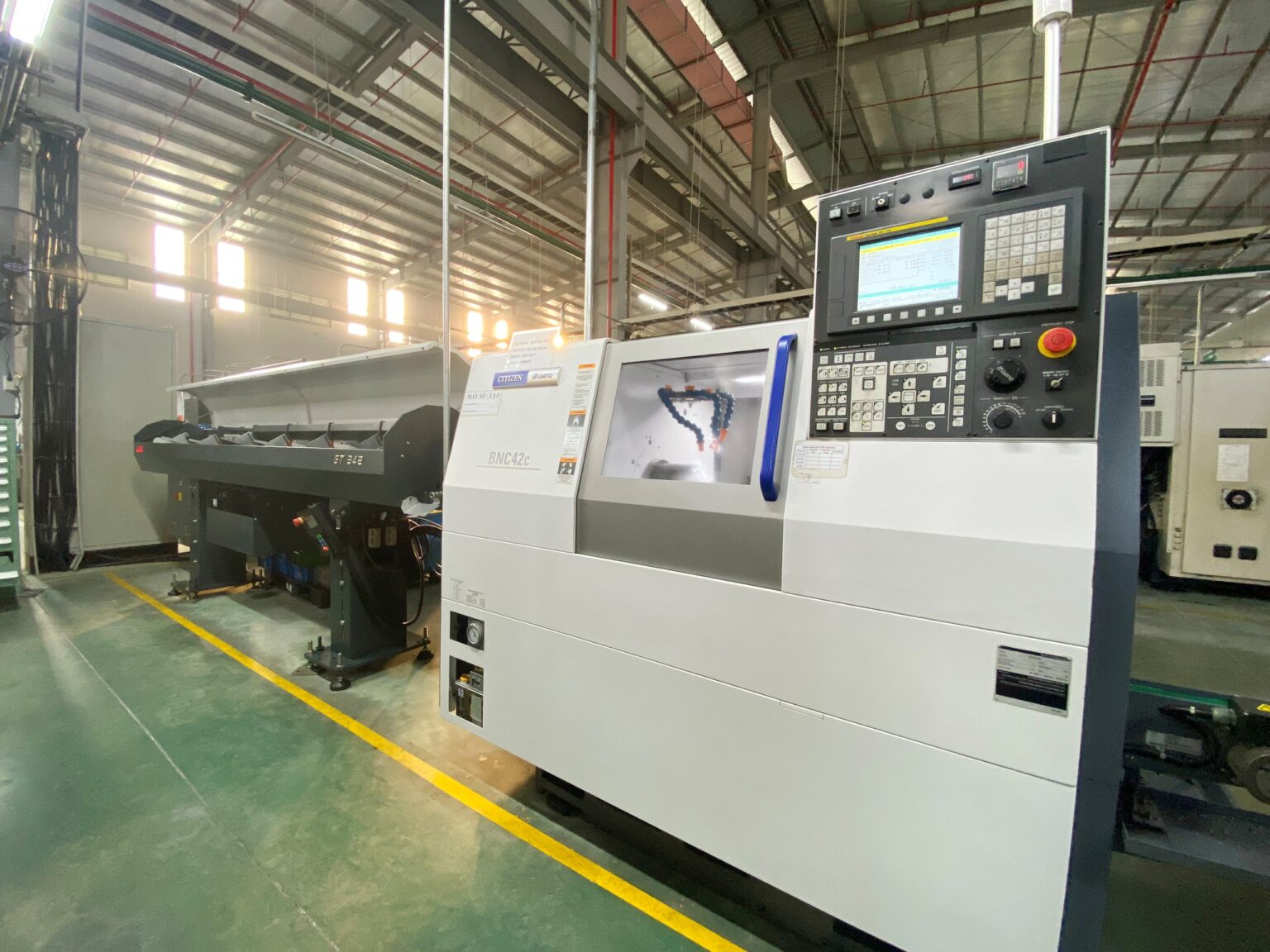
For components requiring higher precision, products will undergo post-casting CNC machining to ensure:
- Precise tolerances
- Concentricity
- Flatness
- Surface roughness
- Threaded positions, holes, or technical mating surfaces
Yamaguchi owns over 330 CNC machines with machining capabilities for various materials such as aluminum, steel, stainless steel, copper, and engineering plastics. The system of 3-axis, 4-axis, and 5-axis CNC lathes and milling machines helps meet both single-piece machining and high-precision mass production.
7. Quality Inspection of Aluminum Cast Products
For technical components, quality inspection is a mandatory step.
Inspection items include:
- Dimensions
- Surface roughness
- Hardness
- Roundness
- Profile
- Surface defects
Yamaguchi invests in systems such as: 3D CMM measuring machines, 2D measuring machines, roughness testers, profile projectors, and hardness testers to control product quality before shipment.
Why do many businesses choose Yamaguchi Vietnam?
Yamaguchi Vietnam was established in 2011, specializing in precision mechanical processing and aluminum casting with ISO 9001:2015 and ISO 14001:2015 quality management systems.
Company strengths:
- 3 factories with a total area of 13,800 m²
- 550 personnel
- Modern die casting machine systems
- Production capacity of over 65,000 aluminum cast products/month
- Experience working with Japanese and FDI customers
Company Information
Industry Classification
Jigs and tools / Machine tools / Industrial machinery
Main 3 Products
Machining machine details / Jig design & fabrication / Aluminum die casting
Phone Number
Homepage URL
Yamaguchi Vietnam Joint Stock Company is an engineering company that specializes in manufacturing of precision machined parts and components. We were founded in February 2011.
PICKUP
Technology & Services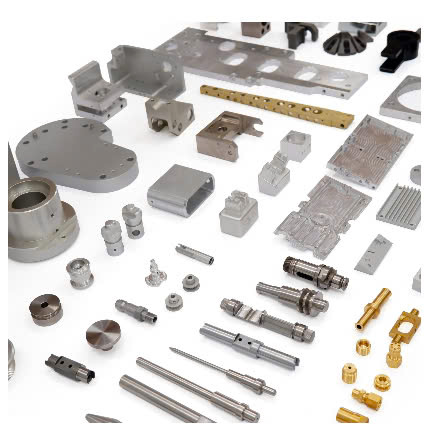
CONTACT
Contact