
YAMAGUCHI VIETNAM JSC
BLOG
Knowledge
Technology and Services
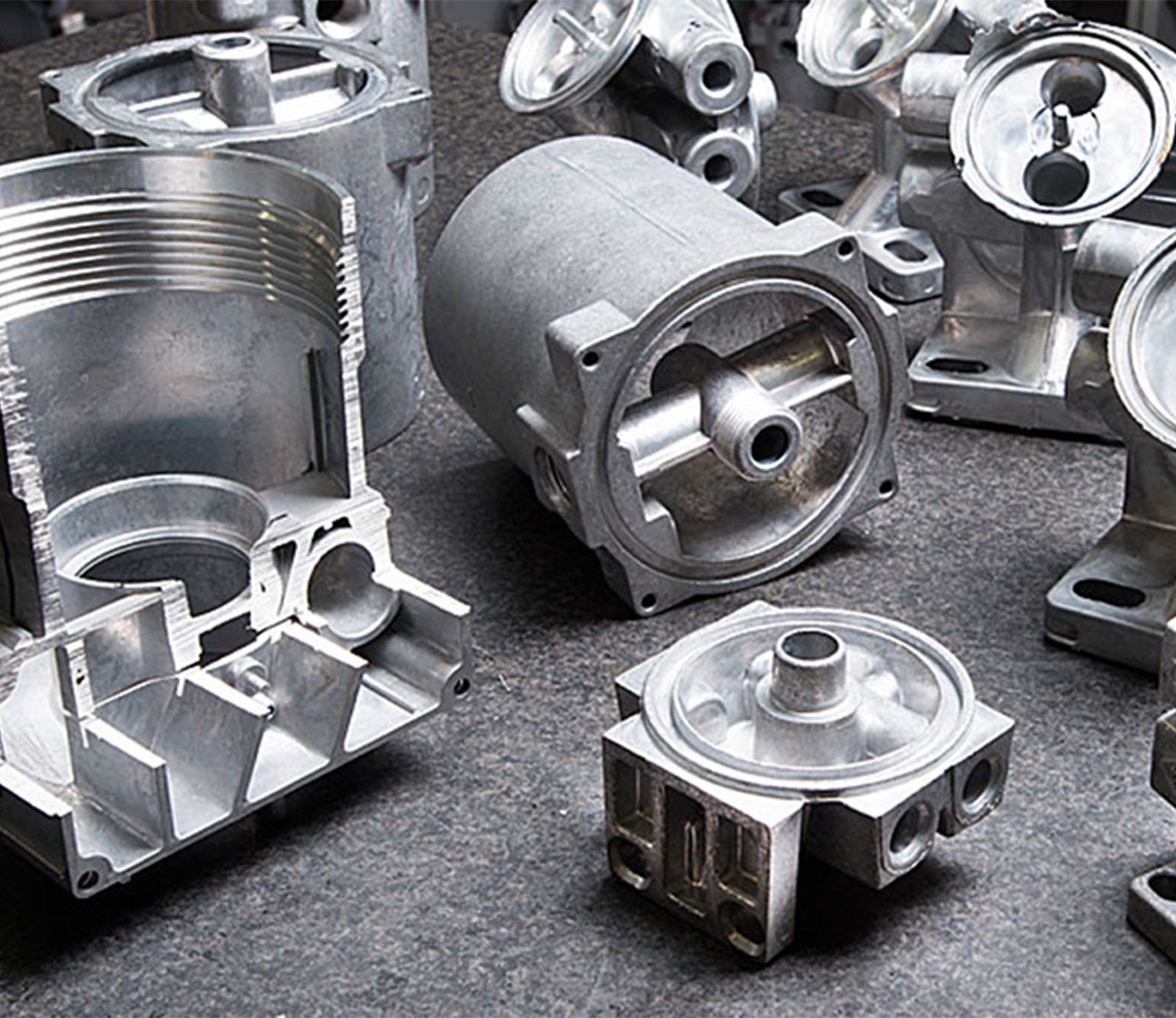
Quality standards in aluminum die casting: Key factors determining the stability of aluminum castings
2026-06-09
In the Aluminum Die Casting industry, product quality does not only depend on machinery or materials but is also determined by a quality control system throughout the entire production process.
Why is quality control important in die casting?
During the die casting process, even a small change in: temperature, pressure, injection speed, mold cleanliness, material composition can lead to defects such as:
- porosity
- cracks
- shrinkage
- warping
- dimensional inaccuracies
- unsatisfactory surface finish
Without a strict control system:
- defect rates will increase
- mold lifespan will decrease
- it will be difficult to maintain stable quality in mass production
Important quality standards in die casting
1. Incoming material control
The quality of aluminum alloy directly affects: strength, castability, dimensional stability, surface treatability
In production, materials need to be:
- chemically analyzed
- impurities controlled
- consistency between batches checked
Yamaguchi invests in material composition analysis equipment to ensure stable incoming quality for the production process.
2. Temperature and casting parameter control
These are core factors in aluminum die casting. Parameters to be controlled include:
- molten aluminum temperature
- mold temperature
- injection speed
- injection pressure
- cooling time
Unstable parameters can lead to: short shots, porosity, deformation, surface cracks
3. Gas control in the mold (Vacuum Die Casting)
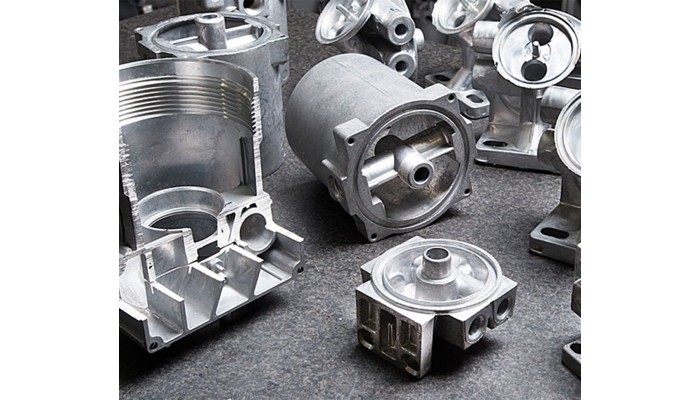
One of the most common defects in die casting is porosity. The cause is air trapped inside the mold cavity during metal injection. This defect affects: product strength, post-casting CNC machining time, product surface quality, air tightness
Therefore, many businesses apply vacuum systems to: reduce residual gas, improve material density, enhance product quality.
Yamaguchi currently invests in a vacuum system in its aluminum die casting line to minimize porosity defects and enhance product stability.
4. Mold temperature and release agent control
The casting mold directly affects: accuracy, product surface, mold lifespan. If mold temperature is unstable: products are prone to warping, increase the risk of cracking, reduce uniformity.
Currently, many modern die casting factories use robotic mold release agent spraying technology to automate and stabilize production quality. This system helps spray the solution evenly onto the mold surface in each casting cycle, thereby controlling mold temperature better, limiting aluminum adhesion to the mold, and reducing quality variations between products. As a result, the production process becomes more stable, defects are reduced, and mold lifespan is extended.
5. Dimensional and tolerance inspection
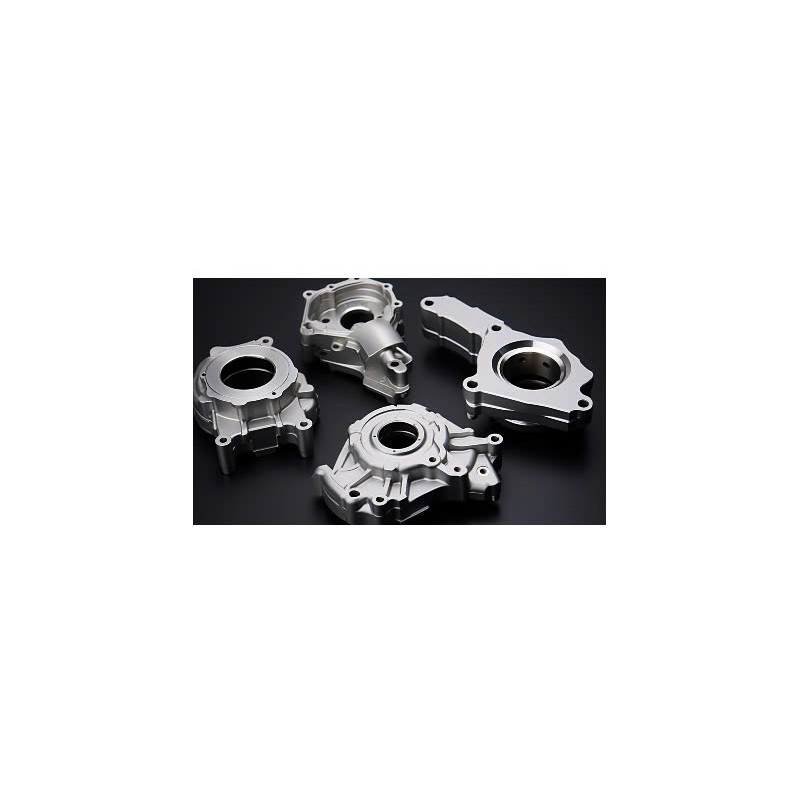
Aluminum die-cast products used in the automotive, electronics, and precision engineering industries often require tight tolerances for concentricity, flatness, perpendicularity, and assembly fit between components. Therefore, after the die casting process, many products will undergo further CNC machining to enhance dimensional accuracy and improve their external appearance.
6. Visual and surface inspection
Besides dimensions, products also need to meet requirements for:
- color
- roughness
- gloss
- scratches
- surface defects
Common processes applied include: shot blasting, polishing, surface treatment, anodizing, plating
7. Quality inspection equipment system
- Equipment System
To ensure stability in mass production, businesses need to invest in an appropriate QC system. Yamaguchi Vietnam currently equips modern machinery including: 3D CMM (Coordinate Measuring Machine), 2D Measuring Machine, Vision Measuring Machine, Roughness Tester,...
- Role of ISO standards in the aluminum die casting process
Management standards such as: ISO 9001:2015, ISO 14001:2015,...help businesses to: standardize processes, maintain stable quality control, reduce production defects, enhance traceability
Yamaguchi currently operates its management system according to ISO 9001:2015 and ISO 14001:2015 standards.
Yamaguchi Vietnam has aluminum die casting capabilities with 420-ton and 800-ton casting machines, meeting a production volume of over 65,000 products/month. Additionally, the company owns over 330 CNC machines and has experience in precision turning and milling, meeting post-casting finishing, surface treatment, and quality inspection requirements according to stringent technical specifications.
Company Information
Industry Classification
Jigs and tools / Machine tools / Industrial machinery
Main 3 Products
Machining machine details / Jig design & fabrication / Aluminum die casting
Phone Number
Homepage URL
Yamaguchi Vietnam Joint Stock Company is an engineering company that specializes in manufacturing of precision machined parts and components. We were founded in February 2011.
PICKUP
Technology & Services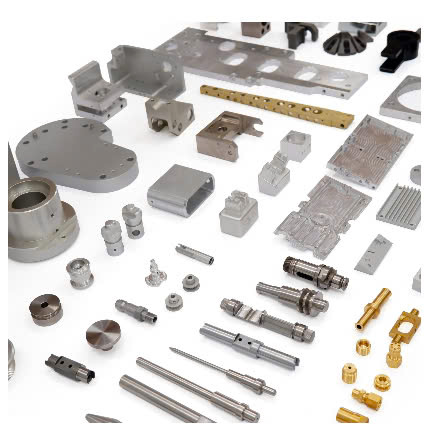
CONTACT
Contact