
LEO ELECTRONICS (VIETNAM) Ltd
SERVICES
Technology & Services
Process conversion from machining to press: Lead time reduction, Cost reduction
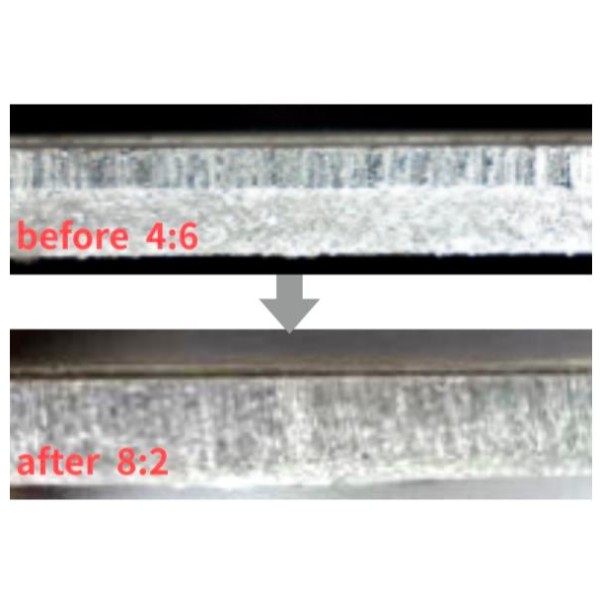
We introduce a case study where supercharger valve components achieved an 80% reduction in lead time and a 15% cost reduction by switching from machining to press processing.
【Overview】
This case study involves converting supercharger valve components for motorcycles, which require sliding precision, from conventional machining to press processing. In conventional machining, smooth piston movement was achieved by maintaining a high surface finish on the sliding part. However, due to the long processing time required for machining, there were challenges with lead time and cost. Significant improvements were achieved by replacing this with press processing.
【Features】
・Material: SPCC, sheet thickness t1.6mm
・Stable supply record of 30,000 units per month (continuing for over 10 years)
・Controlled ratio of shear surface to fracture surface (typical 4:6 → achieved 8:2)
・Ensured reliability as a sliding component through high-precision shear surface
・Improved precision by extremely narrowing the die clearance
【Effects】
・Lead time reduction: 80% reduction compared to conventional methods
・Cost reduction: Approx. 15% reduction
・Maintained sliding performance through high-precision shear surface
・Ensured stable quality even in mass production by switching manufacturing methods
【Advantages of Switching Manufacturing Methods】
・Processing steps are simplified compared to machining
・Long-term production is possible by performing appropriate die maintenance
・Efficient production system suitable for mass production
【Examples of Industries Utilizing This】
・Two-wheeled and four-wheeled vehicles
・Fuel system valve components
・Electronic control components
By converting to the press processing method, both lead time reduction and cost reduction were achieved simultaneously.
■ For details, please download the PDF or feel free to contact us.
【Overview】
This case study involves converting supercharger valve components for motorcycles, which require sliding precision, from conventional machining to press processing. In conventional machining, smooth piston movement was achieved by maintaining a high surface finish on the sliding part. However, due to the long processing time required for machining, there were challenges with lead time and cost. Significant improvements were achieved by replacing this with press processing.
【Features】
・Material: SPCC, sheet thickness t1.6mm
・Stable supply record of 30,000 units per month (continuing for over 10 years)
・Controlled ratio of shear surface to fracture surface (typical 4:6 → achieved 8:2)
・Ensured reliability as a sliding component through high-precision shear surface
・Improved precision by extremely narrowing the die clearance
【Effects】
・Lead time reduction: 80% reduction compared to conventional methods
・Cost reduction: Approx. 15% reduction
・Maintained sliding performance through high-precision shear surface
・Ensured stable quality even in mass production by switching manufacturing methods
【Advantages of Switching Manufacturing Methods】
・Processing steps are simplified compared to machining
・Long-term production is possible by performing appropriate die maintenance
・Efficient production system suitable for mass production
【Examples of Industries Utilizing This】
・Two-wheeled and four-wheeled vehicles
・Fuel system valve components
・Electronic control components
By converting to the press processing method, both lead time reduction and cost reduction were achieved simultaneously.
■ For details, please download the PDF or feel free to contact us.
Company Information
Industry Classification
Office automation equipment / Electronic parts / Medical equipment
Main 3 Products
Pressed Parts / Sheet Metal Parts / Assembly
Phone Number
Homepage URL
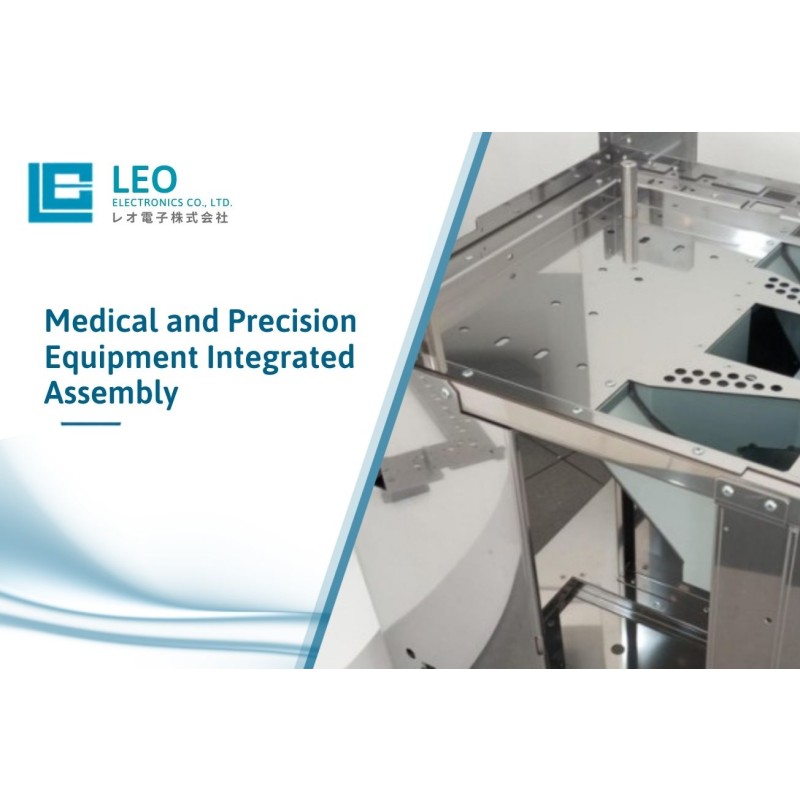
LEO ELECTRONICS is a manufacturing company operating with a dual-base system in Japan and Vietnam, providing integrated services in press processing, sheet metal fabrication, and assembly. Leveraging ...
PICKUP
Technology & Services
CONTACT
Contact