
SONG CONG DIESEL ONE MEMBER COMPANY LIMITED
BLOG
Knowledge
Technology and Services
Analysis of causes and improvement methods for flash defect in sand casting
2026-04-22
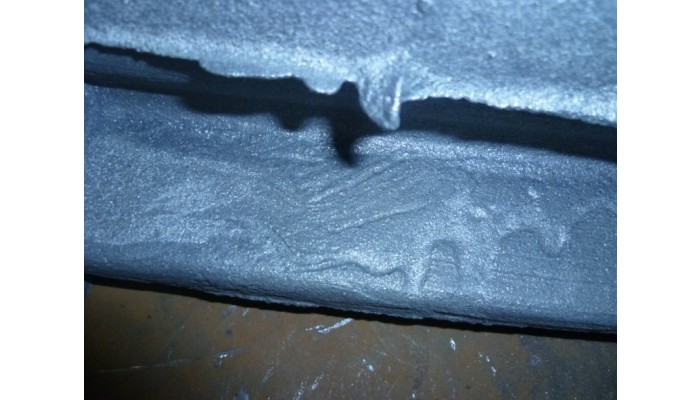 Analysis of Causes and Improvement Methods for Flash Defects in Sand Casting
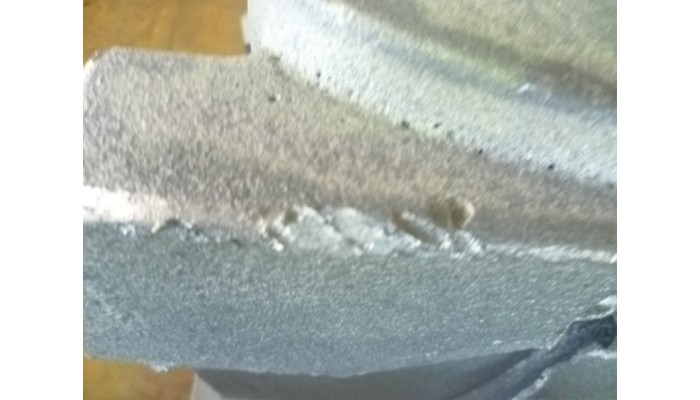
In sand casting, especially with FC and FCD cast iron materials, flash defects are one of the common imperfections. This phenomenon occurs when excess metal overflows the mold, typically appearing at the parting line or at joint locations such as core prints.
This defect not only affects the product's appearance but also increases the volume of post-casting machining, leading to additional processing steps and production costs.
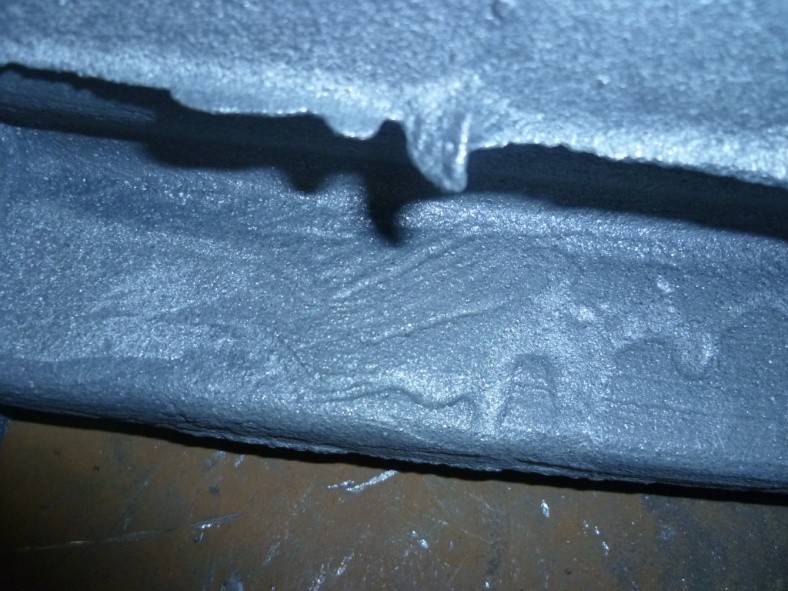
■ Phenomena and Impacts
- Excess metal appearing at the parting line or core assembly locations
- Creation of flash, sharp edges, affecting the product's appearance
- Local deviation in part dimensions
- Increased machining volume due to flash removal
- Affects product accuracy and completion time

■ Causes of Flash Defects
Flash defects primarily arise from factors related to mold tightness and mold surface quality:
- Gaps at the parting line due to improper mold assembly
- Insufficient clamping force, causing metal to overflow during pouring
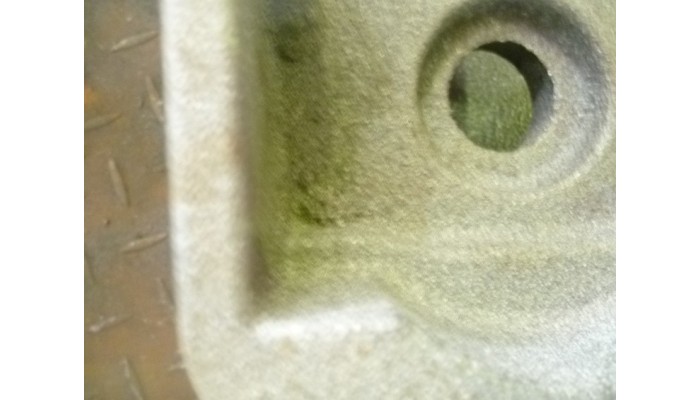
- Large fillet radius at the core print, increasing the likelihood of sand breakage
- Uneven pattern surface, causing sand detachment during mold making
- Low strength of the sand mold, easily breaking under the pressure of molten metal
■ Solutions to Reduce Flash Defects
- Reduce the fillet radius at the core print interface
- Polish the pattern, especially in areas prone to sand breakage
- Increase tightness during mold assembly, precisely controlling the parting line
- Ensure sufficient and stable mold clamping force during pouring
- Control sand quality (moisture, strength, cohesion)
- Standardize mold making and assembly procedures
■ DISOCO's Sand Casting Solution Helps Reduce Flash and Improve Surface Quality
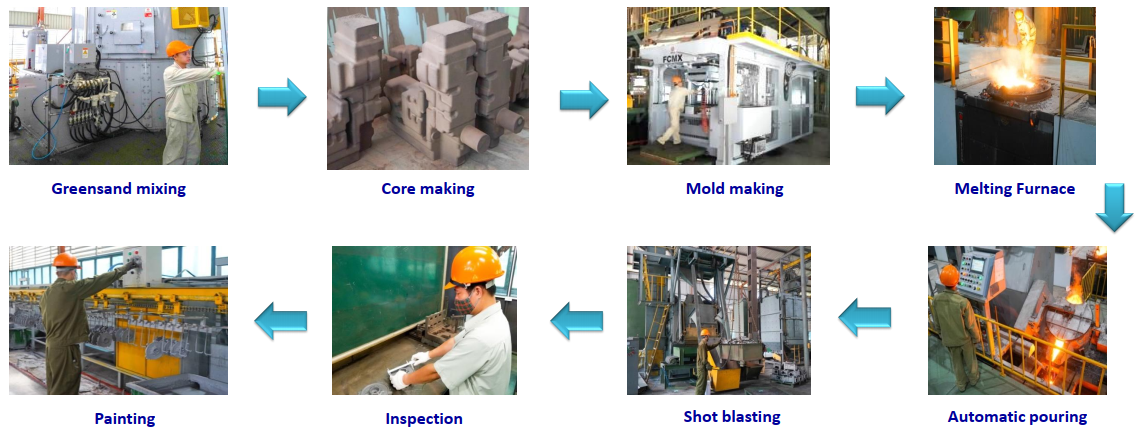
DISOCO employs an automatic sand casting system with equipment from Shinto, Japan, ensuring high precision and tightness at the parting line, thereby limiting metal overflow.
The pattern design and manufacturing process are strictly controlled, combined with casting simulation to optimize shape and minimize the risk of sand breakage at sensitive locations such as core prints.
Furthermore, a synchronized production process from sand mixing, mold making, to metal pouring helps maintain stable mold strength, preventing flash from the outset.
As a result, DISOCO significantly reduces post-casting processing steps, enhances surface quality, and optimizes production costs for customers.
👉 Download detailed documentation on DISOCO's sand casting solution now to learn how to reduce flash and optimize post-casting machining costs.
Company Information
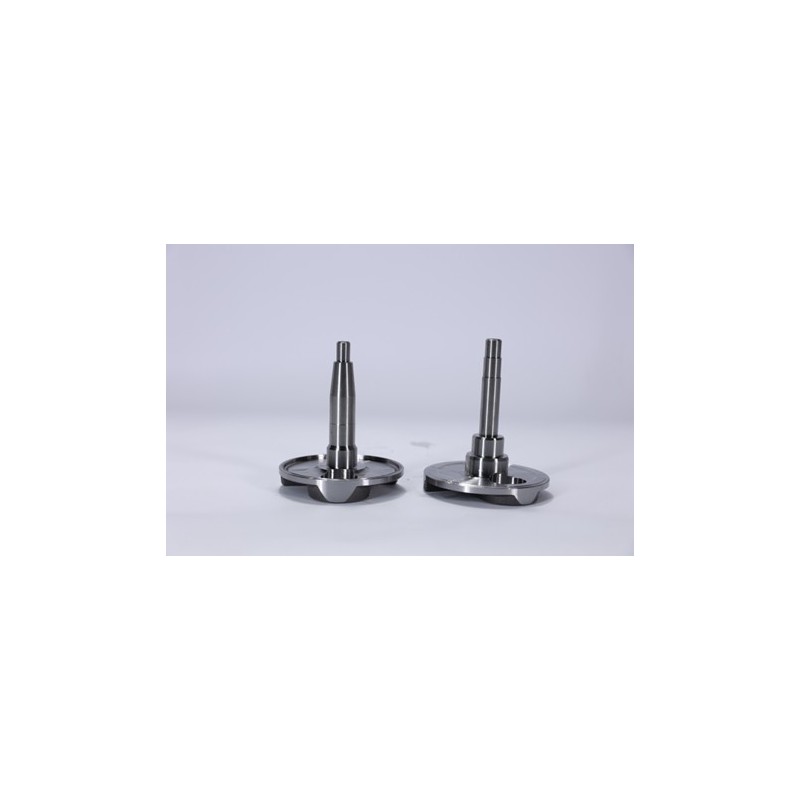
Main 3 Products
Green sand casting components. / Burnt sample casting components. / Hot forging components
Phone Number
Our company specializes in casting, forging, stamping, heat treatment, mainly manufacturing engine parts. Currently, the company is conducting transactions with many Japanese enterprises, as well as p ...
PICKUP
Technology & Services
CONTACT
Contact