
SONG CONG DIESEL ONE MEMBER COMPANY LIMITED
BLOG
Knowledge
Technology and Services
Casting chipping defect in sand casting: Causes, impacts, and remedial measures
2026-06-12
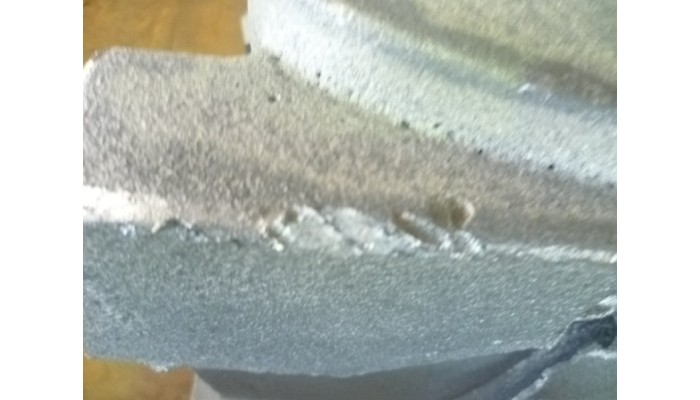
In the process of cast iron casting using sand molding technology, in addition to defects formed during metal solidification such as gas porosity, shrinkage, or mold shift, castings can also encounter defects arising after casting. One of the common defects is **casting chipping defect**.
This defect can cause products to fail to meet requirements for dimensions, shape, and surface quality, leading to an increased scrap rate and production costs.
What is a casting chipping defect?
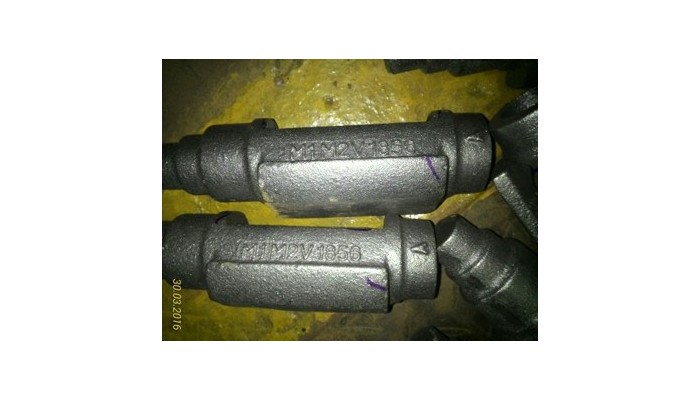
A chipping defect is a phenomenon where a part of the casting material breaks, chips, or is missing compared to the original design. This phenomenon often appears at edges, corners, or thin-walled sections, which are susceptible to mechanical impact.
Casting chipping defects are often identified by the following characteristics:
- Chipped edges or corners of the casting.
- Missing part of the product's shape.
- Appearance of localized fractures on the surface.
- Dimensional deviation from the design drawing.
In many cases, casting chipping defects can be confused with metal deficiency defects or incomplete filling defects. However, the actual cause often arises after the casting has fully formed.
Causes of Casting Chipping Defects
1. Impact during shakeout
After metal solidification, the casting is removed from the sand mold through the shakeout process. If the shakeout operation is too forceful or unsuitable tools are used, thin sections or protruding corners are easily chipped.
This is the most common cause for many cast iron and steel products.
2. Impact during gating and riser system removal
In the casting cleaning process, the gating and riser system is cut off by machine or mechanical equipment.
If the cutting position is improper or the applied force is too great, impact stress can crack or chip a part of the casting.
3. Impact during transportation
Castings often have a large mass and complex shapes. During loading/unloading, lifting, or transporting between production stages, parts can collide with each other or with handling equipment, causing edge chipping and surface damage.
4. Errors in pattern and mold design
In some cases, castings may have missing features or incorrect dimensions due to:
- Casting designs with thin edges, sharp corners, or weak cross-sections that are prone to chipping.
- Improper lifting point arrangement or lifting method for large castings.
These errors can result in post-cast products not meeting the required shape and being classified as chipping defects.
Impact of Chipping Defects on Castings
Chipping defects not only affect appearance but also reduce the product's usability.
Some common impacts include:
- Machining dimensional deviations.
- Failure to ensure assembly capability.
- Reduced mechanical strength at the chipped location.
- Increased repair time or reclamation welding.
- Increased scrap rate.
For critical components such as machine bodies, gearboxes, machine bases, or crankshafts, chipping defects can render the product unusable.
Solutions to Casting Chipping Defects
Proper Shakeout Techniques
- Minimize direct impact on the casting.
- Use appropriate shakeout equipment.
- Train workers on the process of removing products from the mold.
Control the Casting Cleaning Process
- Perform cutting of the gating and riser system at the correct position.
- Use cutting equipment suitable for each material type.
Careful Transportation and Storage
- Use specialized pallets or supports.
- Arrange spacing between products.
- Minimize impact during lifting and handling.
Inspect Pattern and Mold Design
- Review drawings before pattern manufacturing.
- Periodically check pattern dimensions.
- Inspect the mold before metal pouring.
- Ensure mold assembly process meets standards.
Chipping defect is one of the common defects in sand casting, primarily arising due to mechanical impact during the shakeout, cleaning, and transportation stages. Although not a defect formed during metal solidification, chipping defect directly affects the quality, dimensions, and usability of the casting.
Good control over production operations, accurate mold design, and proper transportation procedures will help businesses reduce the scrap rate, improve casting product quality, and optimize production efficiency.
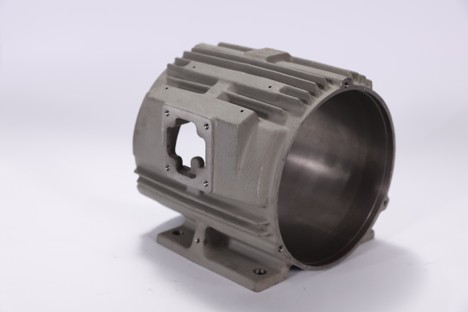
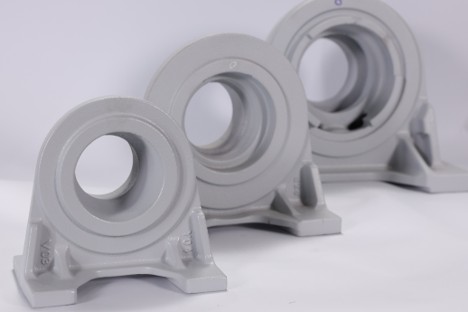
With large-scale **green sand casting** capabilities for FC/FCD cast iron and a modern equipment system from Japan, DISOCO provides casting products for various sectors such as engines, gearboxes, agricultural machinery, and industrial equipment. The **automatic green sand molding line** helps the company maintain stable quality, large output, and good delivery schedules for domestic and international customers.
Company Information
Main 3 Products
Green sand casting components. / Burnt sample casting components. / Hot forging components
Phone Number
Our company specializes in casting, forging, stamping, heat treatment, mainly manufacturing engine parts. Currently, the company is conducting transactions with many Japanese enterprises, as well as p ...
PICKUP
Technology & Services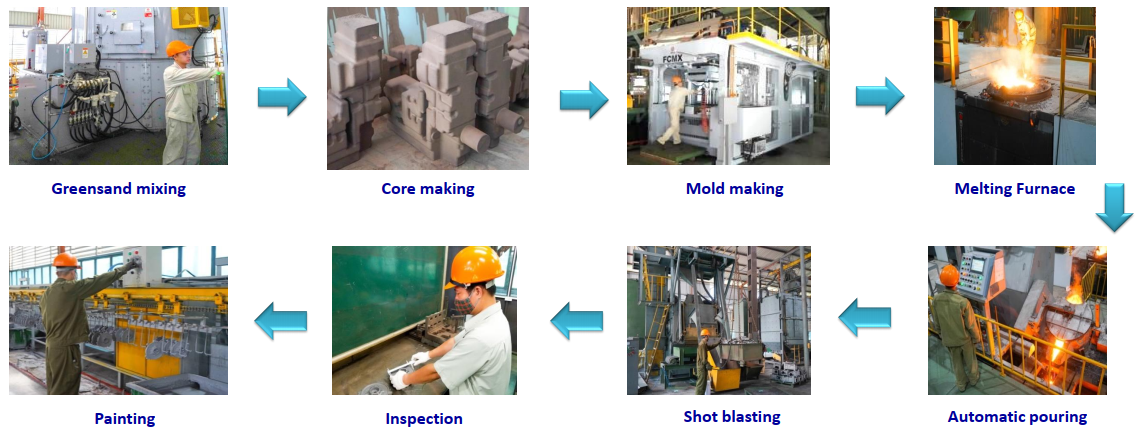
CONTACT
Contact