
BLOG
Knowledge
Technology and Services
Surface Bulging Defects in Sand Casting: Causes and Effective Solutions for FC & FCD Castings
2026-05-13
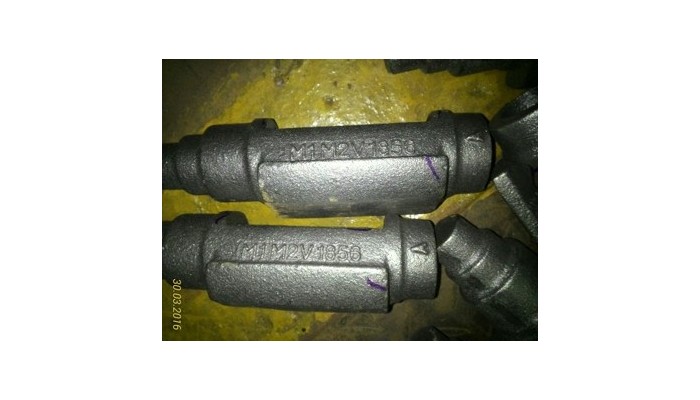
Surface Bulging Defects in Sand Casting: Causes and Effective Solutions for FC & FCD Castings
In sand casting, especially for FC and FCD cast iron products, surface bulging defects are one of the most common casting defects affecting product appearance, dimensional accuracy, and post-casting machining costs. If not properly controlled, this defect can increase rejection rates, generate additional grinding and finishing processes, and reduce overall casting quality in mass production.
So, what causes bulging defects in sand casting? How can foundries effectively reduce this issue in greensand casting processes?
What Is a Surface Bulging Defect in Sand Casting?
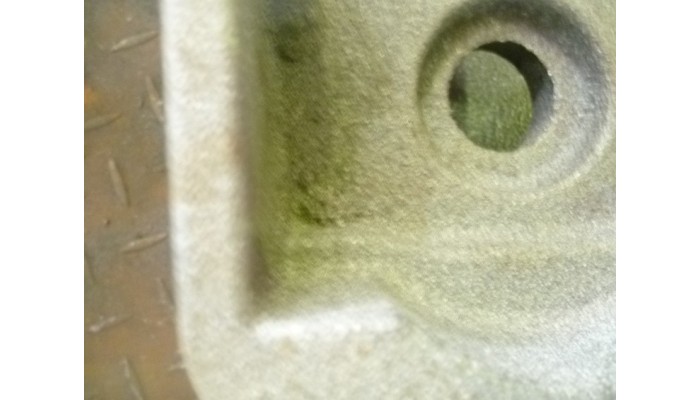
A surface bulging defect refers to a localized raised area on the casting surface that deviates from the original design geometry. This defect is mainly caused by local deformation of the sand mold under the pressure of molten metal during pouring.
This casting defect commonly occurs in:
- Areas with low sand compaction density
- Regions near the mold flask wall
- Positions exposed to high hydrostatic pressure from molten metal
In severe cases, the defect can cause dimensional deviation beyond tolerance requirements.
What Is Low Sand Compaction Density?
During sand mold production, molding sand must be compacted sufficiently to ensure mold strength and stability.
Low compaction density occurs when:
- Mold pressing force is insufficient
- Sand compaction is uneven
- Sand quality or moisture content is unstable
As a result, weak areas are formed inside the mold, making them vulnerable to deformation under high-temperature molten metal pressure.
In simple terms, if the sand mold is not rigid enough, molten metal pressure can push the mold surface outward, creating a bulging defect on the casting.
How Does Hydrostatic Pressure of Molten Metal Affect the Mold?
When molten metal is poured into the mold cavity, the weight of the molten metal column generates pressure against the mold walls. This is known as hydrostatic pressure.
This pressure:
- Increases with molten metal height
- Concentrates on weak mold areas
- Can deform or expand the sand mold locally
If mold compaction is uneven, the mold may not withstand the pressure, resulting in surface bulging defects.
Main Causes of Surface Bulging Defects in Sand Casting
1. Uneven Mold Compaction
This is the most common cause. Areas with low sand density are easily deformed by molten metal pressure.
2. Insufficient Mold Pressing Force
Low pressing force reduces mold rigidity, especially in deep areas or near mold walls.
3. Improper Gating System Design
Localized metal flow concentration can create excessive pressure on mold surfaces.
4. Casting Positioned Too Close to Mold Flask Walls
Insufficient spacing reduces the structural strength of the mold.
5. Unstable Sand Quality
Improper moisture, bonding strength, or sand properties can weaken the mold during pouring.
Effects of Surface Bulging Defects
Surface bulging defects can lead to:
- Raised areas on casting surfaces
- Poor surface appearance
- Dimensional inaccuracies
- Increased machining allowance
- Additional grinding and finishing processes
- Reduced assembly precision for mechanical components
For export products requiring high precision, especially for Japanese and US markets, such defects can lead to quality rejection.
Effective Solutions to Reduce Surface Bulging Defects
Foundries typically apply multiple countermeasures simultaneously:
- Increase mold pressing force and maintain uniform compaction
- Improve mold rigidity and mold height
- Control sand quality (moisture, strength, bonding properties)
- Optimize gating system design to reduce localized pressure
- Avoid positioning castings too close to mold walls
- Standardize mold-making processes in mass production
Proper control of molding conditions significantly reduces defect rates and improves casting consistency.
DISOCO Sand Casting Solutions for Reducing Surface Bulging Defects
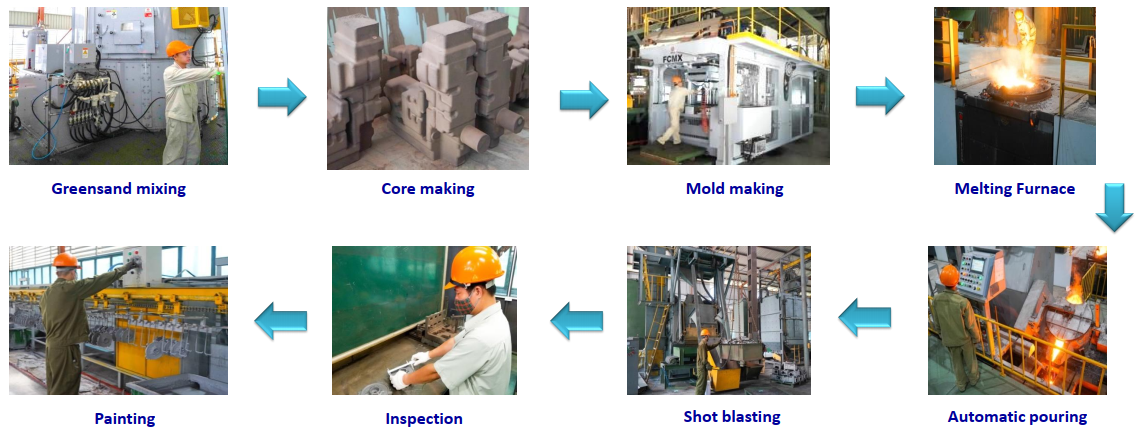
DISOCO operates automated greensand casting systems using SINTO (Japan) equipment, enabling stable mold pressing force and consistent sand compaction in mass production.
In addition, DISOCO utilizes casting simulation software to analyze molten metal flow and optimize gating design, reducing pressure concentration in sensitive mold areas.
The company also standardizes sand management, mold-making, and pouring processes to maintain stable mold strength and minimize deformation caused by hydrostatic pressure.
Combined with advanced inspection systems and strict quality control, DISOCO helps customers:
- Reduce casting surface defects
- Lower post-casting finishing costs
- Improve product consistency
- Optimize mass production efficiency
Download DISOCO Sand Casting Solution Materials
👉 Download DISOCO’s detailed sand casting solution materials to learn how to reduce surface defects, minimize bulging defects, and optimize post-casting machining costs.
Company Information
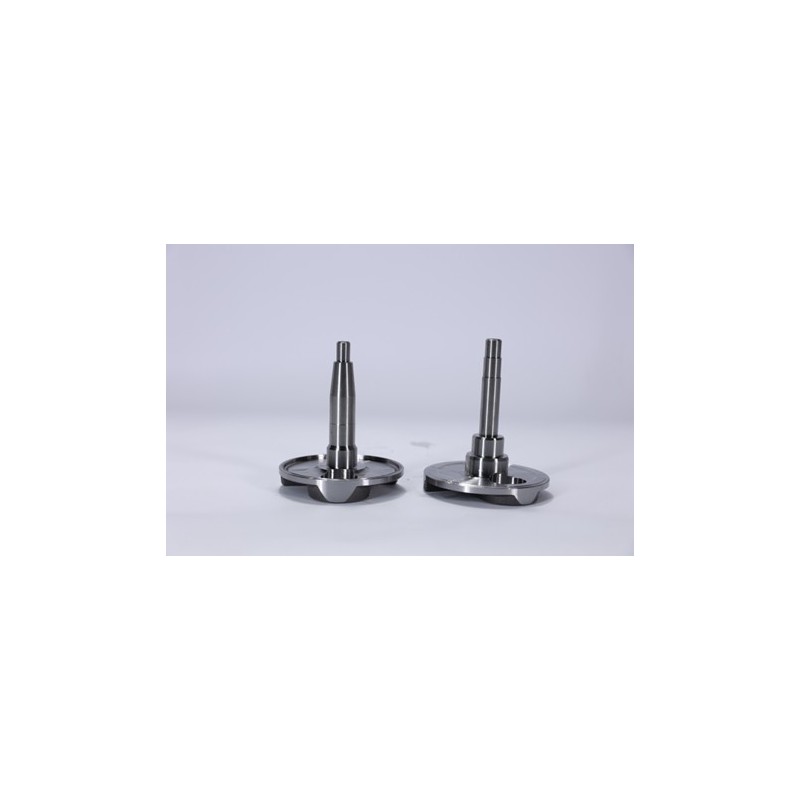
Green sand casting components. / Burnt sample casting components. / Hot forging components
Our company specializes in casting, forging, stamping, heat treatment, mainly manufacturing engine parts. Currently, the company is conducting transactions with many Japanese enterprises, as well as p ...
PICKUP
Technology & Services
CONTACT
Contact