BLOG
Knowledge
Technology and Services
10 visual defects of semiconductor components that need to be controlled
2026-04-28
10 cosmetic defects of semiconductor equipment components that need to be controlled
During mechanical processing and CNC machining, many products meet dimensional specifications but are still rejected due to cosmetic defects. For the semiconductor equipment industry, surface defects not only affect aesthetics but also directly relate to the quality and stability of the system.
Below are 10 common cosmetic defects that need to be controlled:
■ Scratch
The most common defect, arising from impact during processing or transportation.
■ Tool mark
Marks left after CNC milling due to worn tools or suboptimal cutting conditions.
→ Directly affects surface quality.
■ Burr
Excess material at edges or holes.
→ Can generate dust in the cleanroom.
■ Color variation
Uneven color after anodizing.
→ Commonly found in aluminum components.
■ Contamination
Oil, dust, or fingerprints on the surface.
→ Not allowed in semiconductor environments.
■ Dent / Deformation
Deformation due to impact or clamping.
→ Affects both appearance and function.
■ Edge defect
Sharp, uneven, or improperly rounded edges.
→ Affects assembly.
■ Surface unevenness
Surface waves or lack of flatness.
→ Caused by vibration during processing.
■ Coating defect
Uneven or peeling anodizing.
→ Affects durability and appearance.
■ Finish inconsistency
Differences between products in the same batch.
→ Indicates an unstable process.
Cosmetic defects do not appear in isolation but reflect the level of control of the entire production process. To meet the requirements of the semiconductor industry, comprehensive control is needed from CNC machining and surface treatment to quality inspection.
Seiko Industry Vietnam Co., Ltd. (SIV) provides CNC machining solutions for semiconductor components with the strength of controlling cosmetic defects throughout the entire production process. Thanks to modern equipment, inspection standards inherited from Japan, and an experienced technical team, SIV helps minimize defects such as scratches, burrs, color variations, and contamination, thereby ensuring stable quality for mass production.
👉 Download the document to see detailed cosmetic control in CNC machining by Seiko Industry Vietnam
Company Information
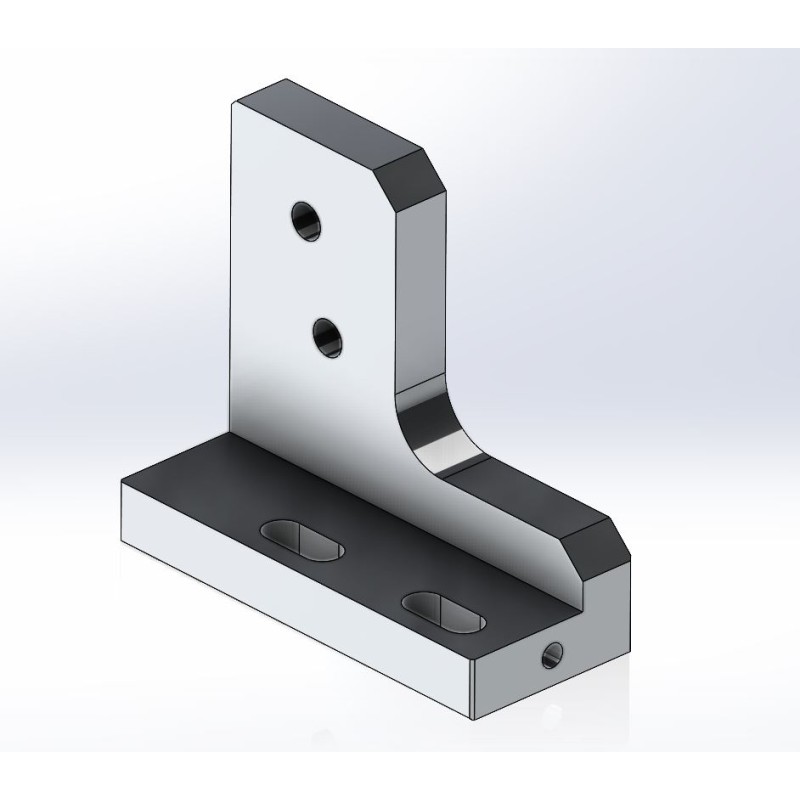
Precision machining / Jig gá
Seiko Industry Vietnam Co., Ltd. (SIV) is a precision mechanical manufacturing company 100% owned by Akita Seiko (Japan), established on October 17, 2012, and officially commenced operations in Novemb ...
PICKUP
Technology & Services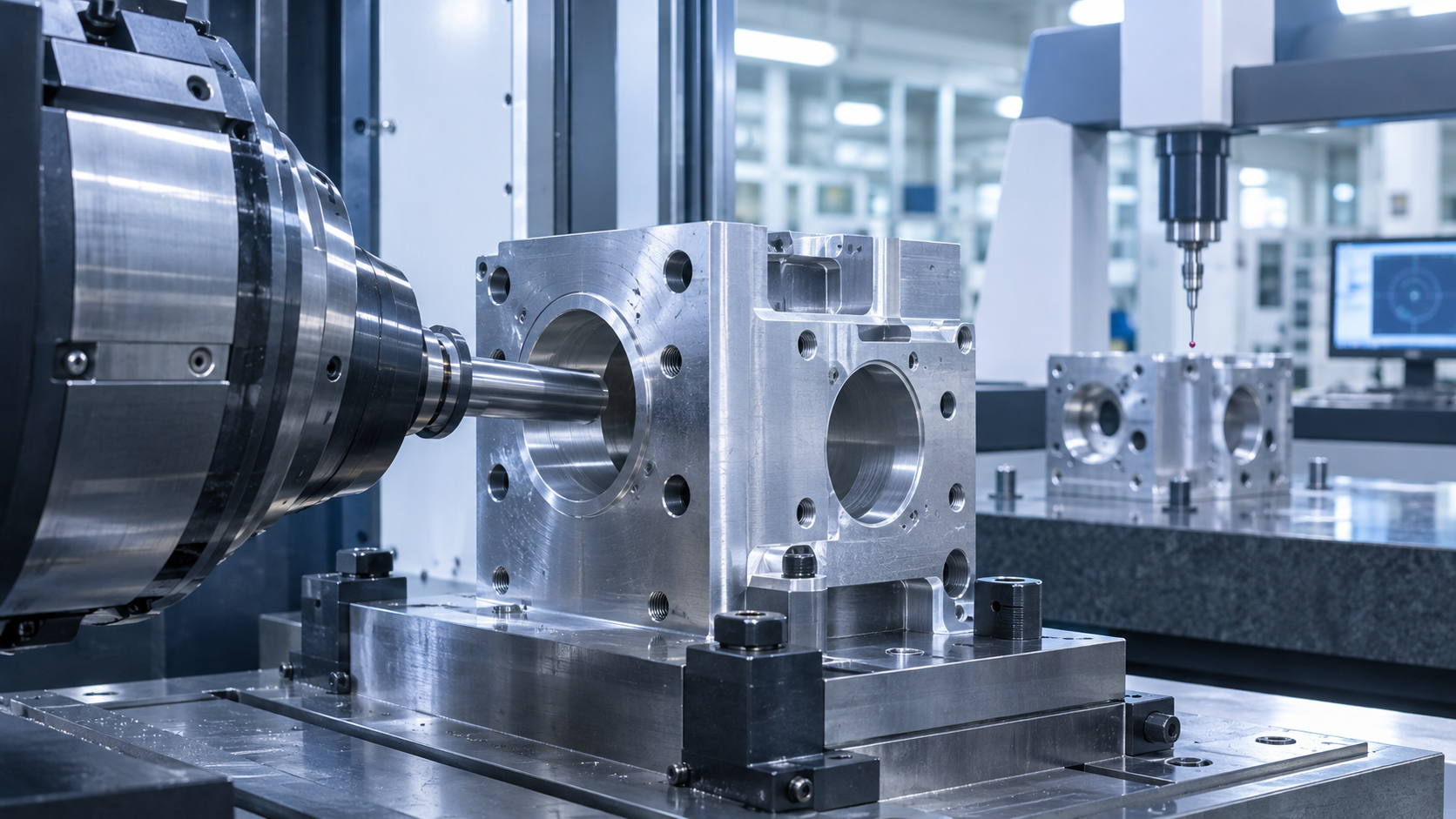
CONTACT
Contact