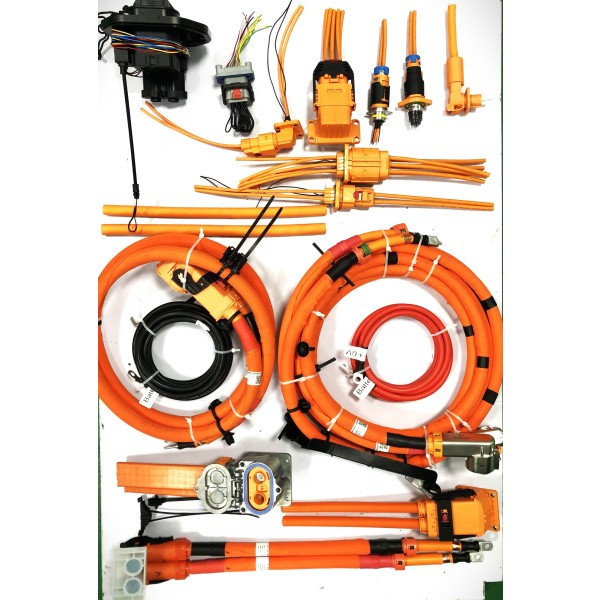
Criteria for Choosing High-Quality Busbars
Key Criteria for Choosing High-Quality Busbars
1. Busbar Material
Copper Busbars: Excellent conductivity, corrosion resistance, and durability. Ideal for high-power applications.
Aluminum Busbars: Lightweight and cost-effective but with lower conductivity than copper. Suitable for budget-conscious projects.
Note: Copper is often preferred for heavy industrial applications, while aluminum is better suited for residential or auxiliary systems.
2. Size and Cross-Section
Select the appropriate busbar size based on system capacity and current.
Ensure the cross-section is large enough to provide optimal power transmission.
Evaluate voltage drop and energy loss to prevent overloads.
3. Surface Coating
Tin Plating: Protects against oxidation and corrosion.
Silver Plating: Enhances electrical conductivity, ideal for high-performance systems.
Nickel Plating: Provides superior corrosion resistance in harsh environments, such as chemical plants or coastal areas.
4. Mechanical Strength and Heat Resistance
Busbars should have high mechanical strength to prevent deformation during installation and operation.
Excellent heat resistance ensures stable performance over time.
Consider factors such as thermal expansion, compressive strength, and tensile strength.
5. Standards and Certifications
Prioritize busbars that meet international standards such as IEC 61439, ASTM B187, or UL.
Verify certifications from reputable independent organizations to ensure product quality.