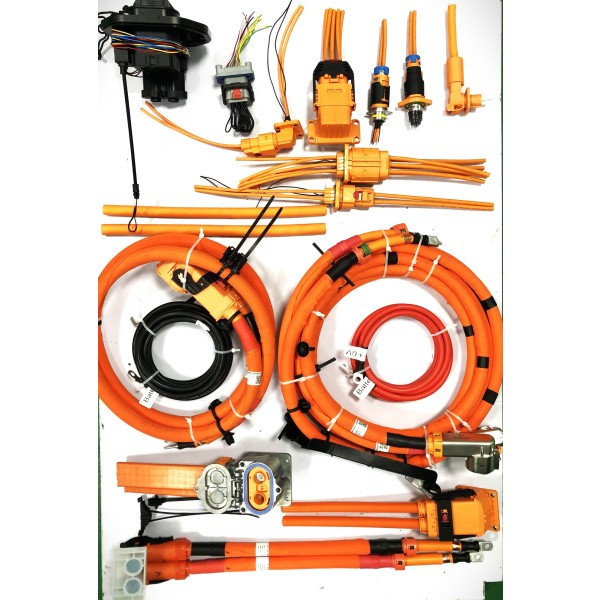
Should You Choose Copper Busbar or Aluminum Busbar? A Detailed Comparison for the Best Choice
Comparison Between Copper Busbar and Aluminum Busbar
1. Electrical Conductivity
- Copper busbar has higher electrical conductivity compared to aluminum busbar, reducing power loss and improving transmission efficiency.
- Aluminum busbar has about 40% lower electrical conductivity than copper, requiring a larger cross-sectional area to achieve the same power capacity.
2. Mechanical Strength
- Copper has higher mechanical strength, making it less prone to deformation when subjected to force or over time.
- Aluminum is lighter but softer, making it more susceptible to dents or breakage under strong impacs.
3. Weight
- Aluminum busbar is about 50% lighter than copper busbar, reducing system weight and making installation easier.
- Copper busbar is heavier, requiring a more robust structure for installation.
4. Corrosion Resistance
- Copper has better corrosion resistance but can still develop surface oxidation.
- Aluminum oxidizes more easily, but the oxidation layer can act as a protective barrier to prevent further corrosion.
5. Cost
- Copper busbar is more expensive due to the high cost of copper extraction and processing.
- Aluminum busbar is more affordable, making it suitable for systems with budget constraints.