VINA ITO Co., Ltd.
SERVICES
Technology & Services
Ductile Iron Casting Process at VINA ITO - Alkaline Phenolic Resin Sand Casting Technology
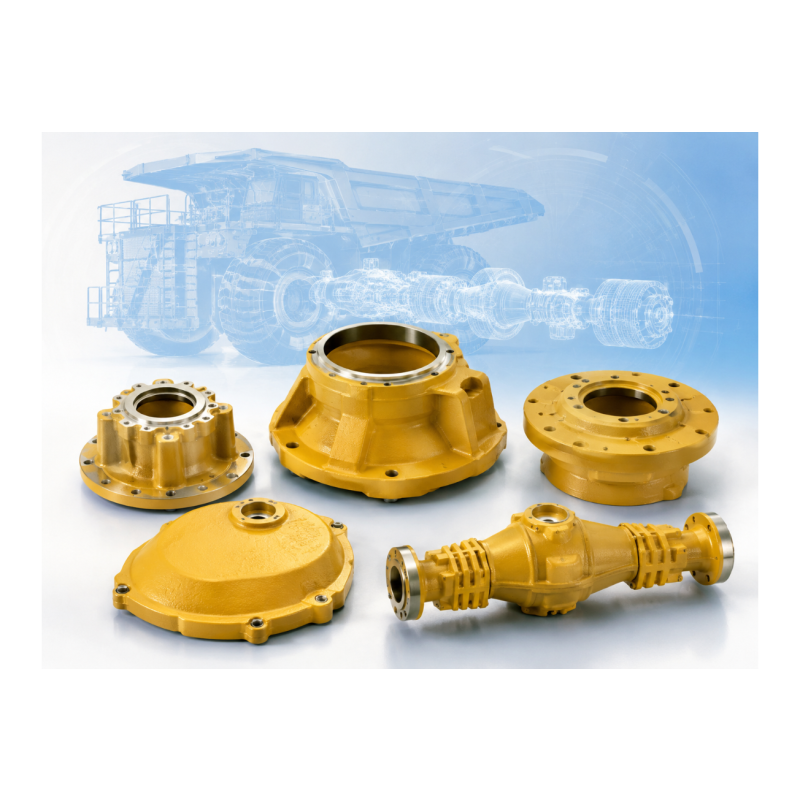
Why does the ductile iron casting process for heavy-duty components require strict control?
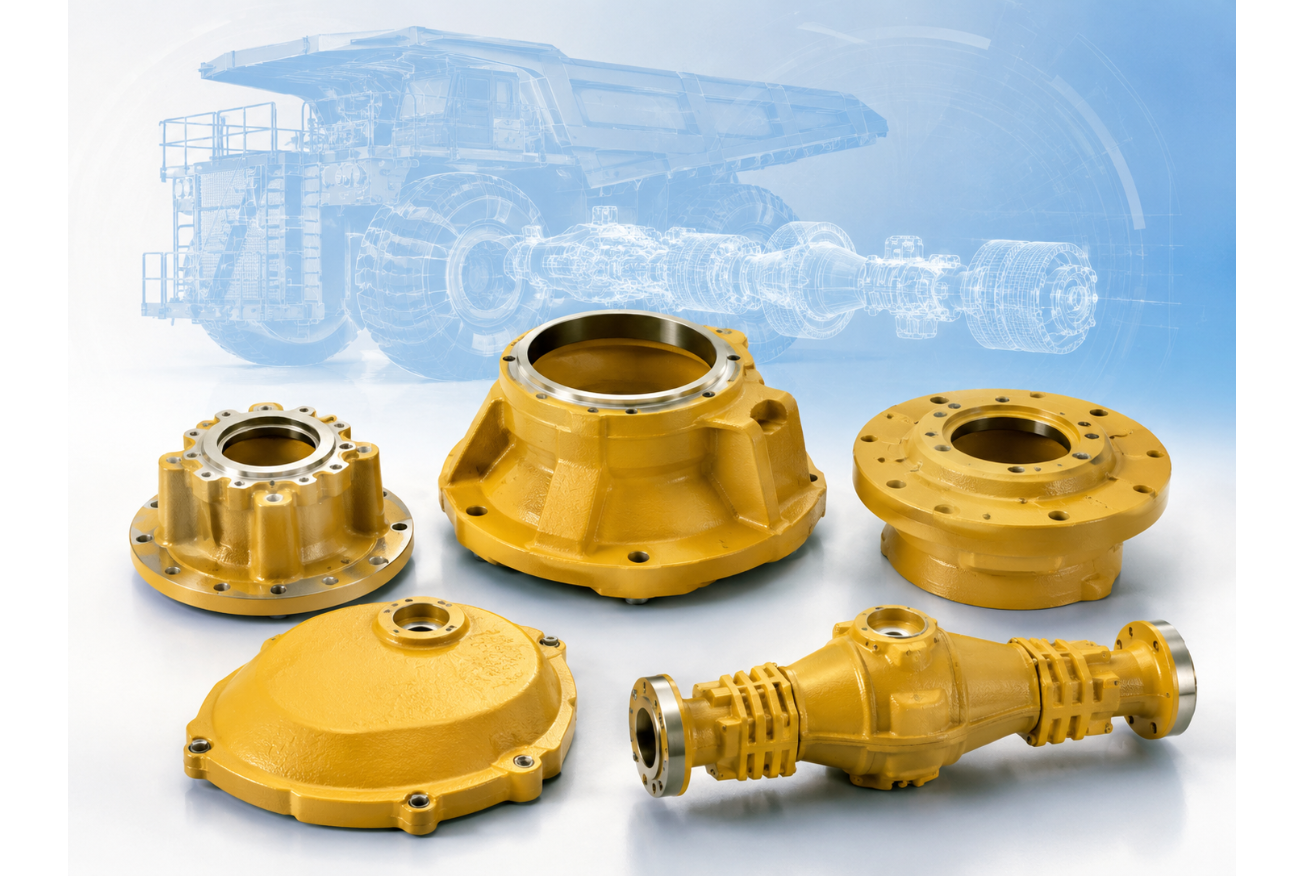
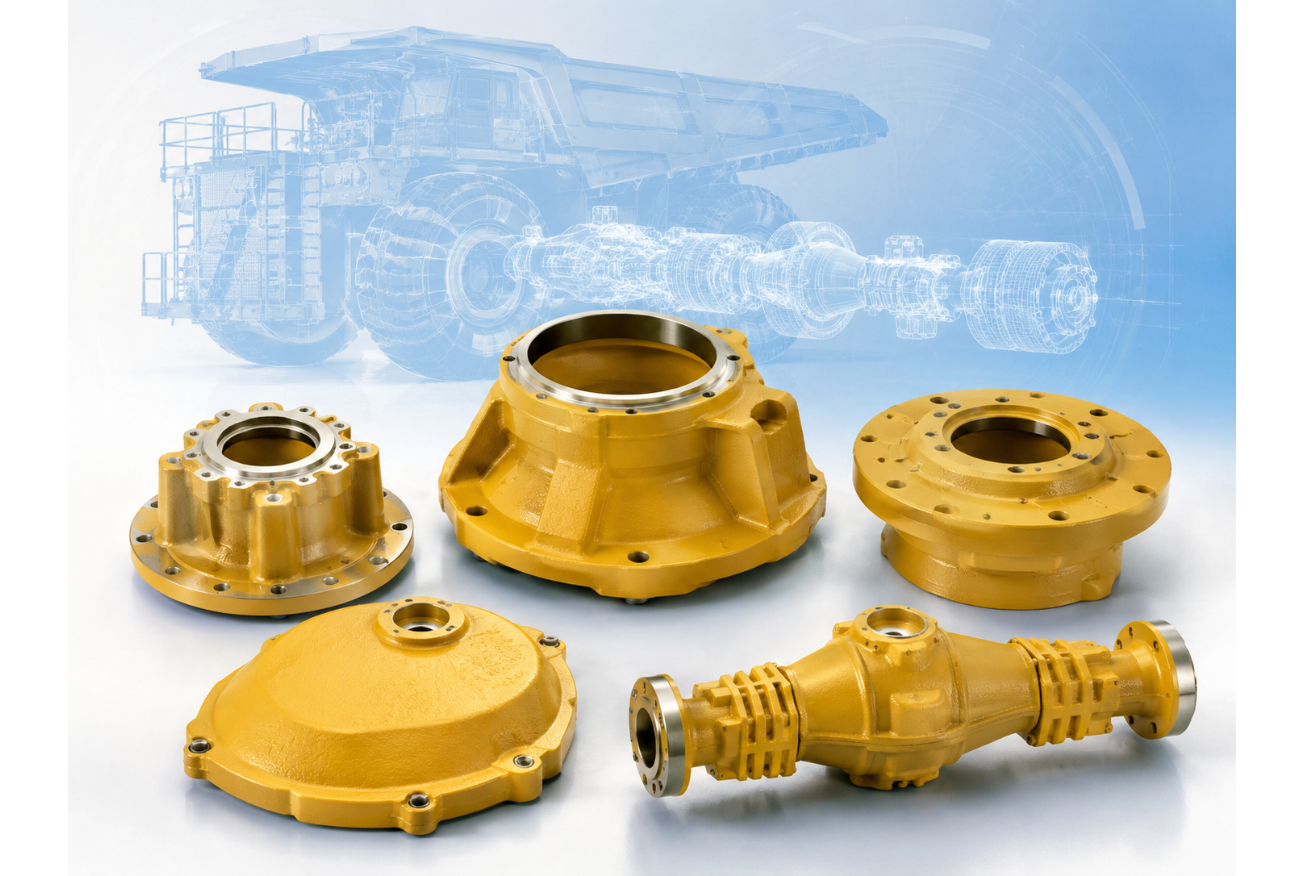
In the heavy industry and mining sectors, ductile iron components are often large in size, have thick and heavy structures, and demand very high mechanical strength. Products such as housings, hubs, carriers, or powertrain components for construction machinery must operate continuously in environments with strong vibrations, high loads, and significant impacts.
Therefore, the ductile iron casting process is not merely about melting metal and pouring it into a mold. Every stage, from mold making, material treatment, iron pouring, mold breakdown, to CNC machining, directly impacts product quality.
At VINA ITO, the production process is implemented as a closed-loop model to uniformly control the quality of heavy-duty ductile iron components according to Japanese standards.
Ductile Iron Casting Process at VINA ITO
1. Mold Making using Alkali Sand Casting Technology
The process begins with the mold making stage using Alkali Self-hardening Sand Casting technology.
Unlike green sand casting, alkali sand casting technology uses sand combined with chemical binders to create molds with higher hardness and stability. This technology is suitable for:
- Large-sized ductile iron products
- Thick and heavy structures
- Heavy-duty components
- Heavy industry and mining parts
Controlling sand moisture, binder ratio, and curing time is crucial to minimize product deformation and errors.
VINA ITO uses a central sand mixer and a sand reclamation system from Taiyo Machinery to consistently control the quality of mold sand for large-sized products.
2. Iron Melting and Magnesium Treatment for FCD Ductile Iron
After the mold making stage, the iron is melted using a large-capacity Kitazawa medium-frequency furnace system (3 tons / 2,400 kW).
For FCD ductile iron, the magnesium treatment stage is performed using specialized equipment from Toei Denka Kogyo to form spheroidal graphite within the material.
This process directly affects:
- Tensile strength
- Impact resistance
- Ductility
- High load-bearing capacity
If magnesium treatment is unstable, the product may not achieve the mechanical properties of ductile iron.
3. Iron Pouring into Molds
The treated molten iron is then poured into the alkali sand molds.
For heavy-duty products, the iron pouring stage requires control over:
- Pouring temperature
- Pouring speed
- Metal flow
- Mold venting capability
Poor control can lead to defects such as:
- Gas porosity
- Shrinkage
- Sand burn-in
- Product cracking
- Deformation
This is why large-sized ductile iron casting demands extensive experience and technological capability.
4. Mold Breakdown and Casting Cleaning
After the metal solidifies and cools, the product is moved to the mold breakdown stage to separate the casting from the sand mold. With alkali self-hardening sand casting technology, the mold maintains high stability during pouring but exhibits better collapsibility after solidification, facilitating mold breakdown and sand reclamation for large-sized products.
At VINA ITO, this stage combines:
- Vibrating mold breakdown system
- Taiyo Machinery sand reclamation system
- Sand cooler
- Sand screen
- Shot blasting machine for surface cleaning
This is a crucial stage for preliminary visual inspection, detecting cracks or sand burn-in, and preparing for quality inspection and CNC machining
For heavy-duty components, stable mold breakdown also helps limit impact and deformation of the post-cast product.
5. Quality and Material Defect Inspection
Heavy-duty ductile iron products must undergo strict inspection before CNC machining.
At VINA ITO, the inspection process utilizes the following equipment:
- OBLF material composition analyzer
- Katayama CE meter
- Maekawa hardness tester
- Epoch ultrasonic testing machine
- Hexagon 3D CMM measuring machine
- Olympus microscope
6. Post-Casting CNC Finishing
After meeting quality requirements, products are moved to the CNC machining stage. VINA ITO currently uses several high-power CNC machining centers from Japan, such as:
- DMG MORI NHX8000
- Niigata HN100D-II
- OKUMA
- NIDEC
- JTEKT
For large-sized ductile iron components, CNC machining helps to:
- Ensure assembly accuracy
- Control concentricity
- Machine multiple surfaces in a single setup
- Ensure tolerances for heavy-duty parts
Integrating the process from iron casting to CNC machining ensures comprehensive quality control, meeting the stringent requirements of the heavy industry.
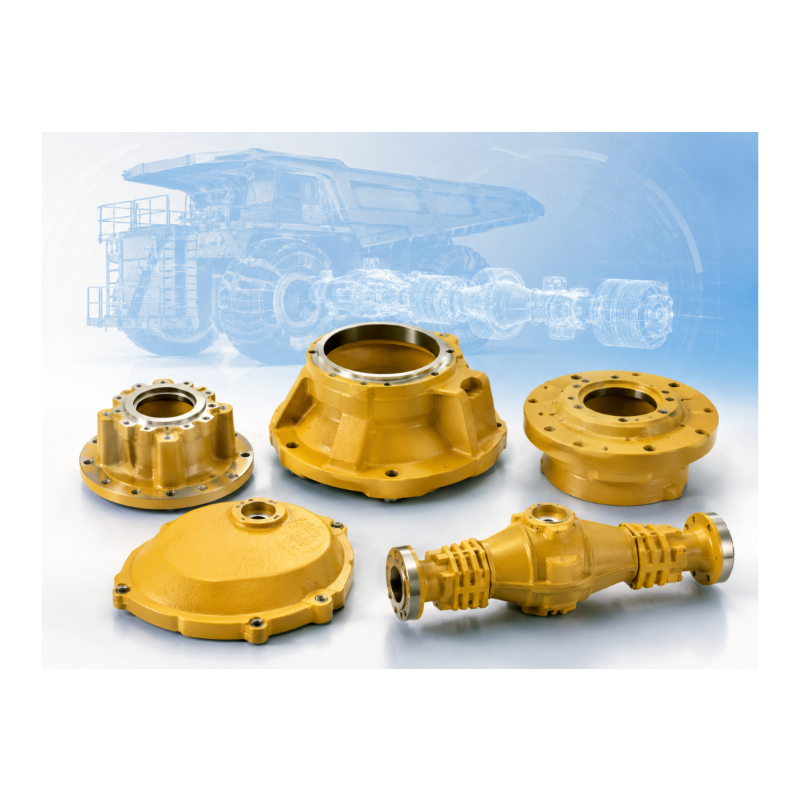
VINA ITO is a company specializing in ductile iron casting and CNC machining for the heavy industry in Vietnam. The company stands out with its capability to produce heavy-duty components ranging from 100kg to 2 tons using alkali sand casting technology according to Japanese standards, currently manufacturing numerous components for Japanese construction machinery and mining vehicles.
Company Information
Industry Classification
Industrial machinery
Main 3 Products
FCD Ductile Iron Component / Drive components / Heavy load components
Phone Number
VINA ITO is a company specializing in ductile iron casting and CNC machining of components for the heavy industry sector, adhering to Japanese standards in Vietnam. The company focuses on manufacturin ...
CATALOG
Related Catalogs
PICKUP
Technology & Services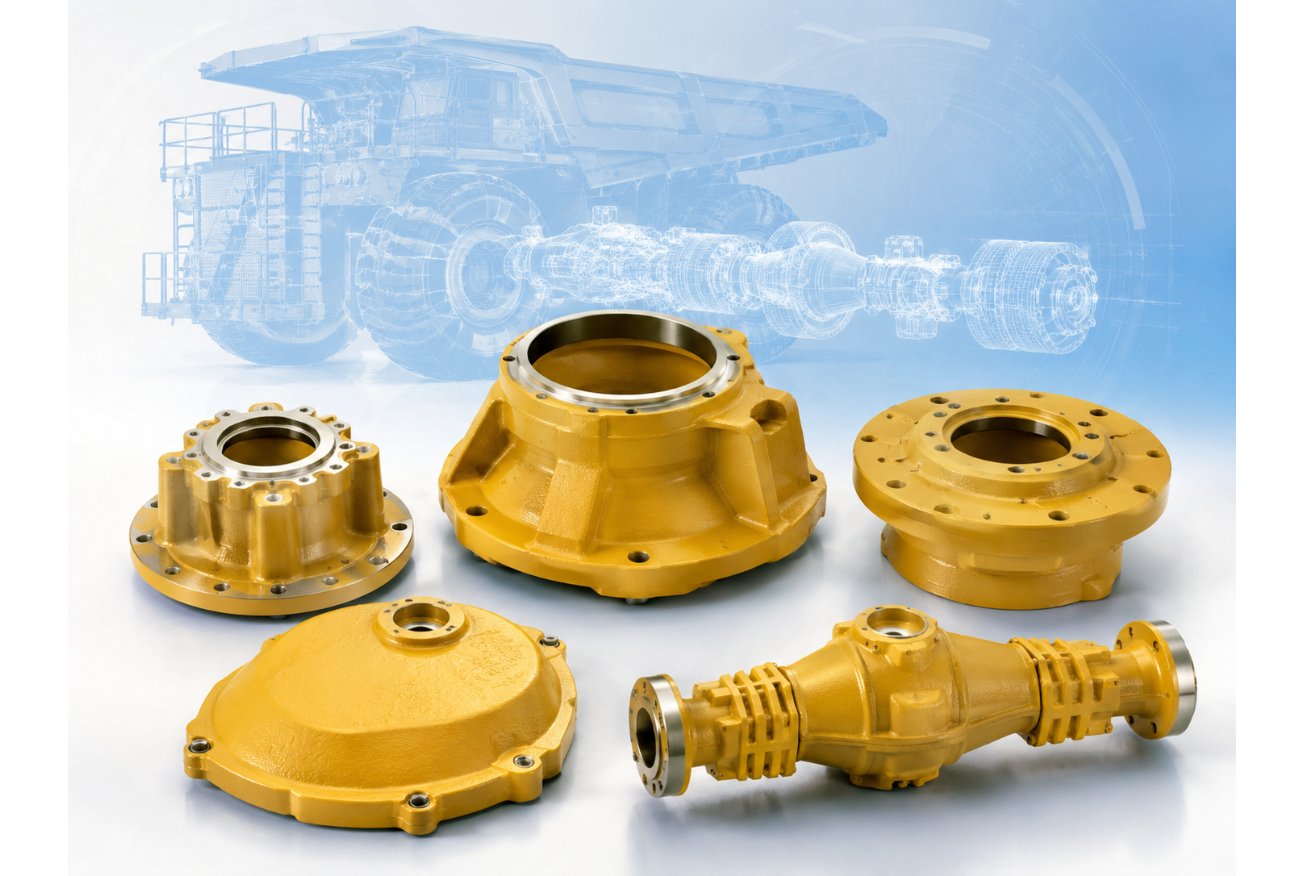
CONTACT
Contact