BLOG
Knowledge
Technology and Services
Reducing Cycle Time in Injection Molding – The Key to Enhancing Productivity and Reducing Production Costs
2026-06-16
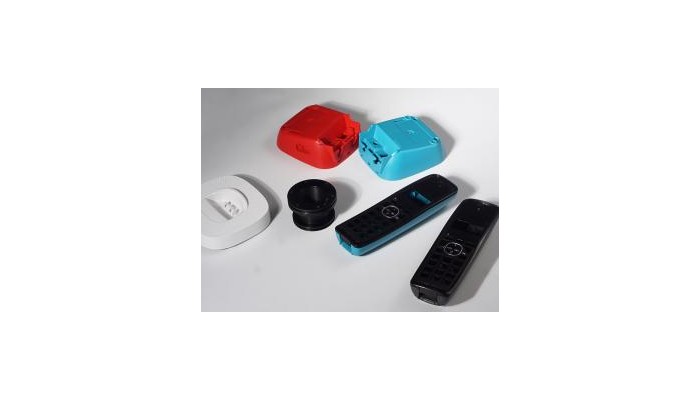
In the plastic injection molding (Injection Molding) industry, production productivity depends not only on the number of machines or factory capacity but also on the cycle time (plastic injection cycle time). By reducing just a few seconds in each cycle, businesses can significantly increase daily output while reducing production costs per product. Therefore, optimizing cycle time is always one of the important goals for modern plastic injection factories to enhance production efficiency and increase market competitiveness.
What is Cycle Time in Plastic Injection Molding?
Cycle time is the total time to complete an injection molding cycle, starting from when the mold closes until the product is ejected and the mold is ready for the next cycle.A typical plastic injection cycle includes: Mold closing Plastic injection Packing/Holding Cooling Mold opening Product ejection Of these, the cooling time often accounts for the largest proportion, potentially up to 50–80% of the total cycle time depending on the product type and material used.
Why is Reducing Cycle Time Important?
1. Increase Production Output
The shorter the cycle time, the greater the number of products produced within the same period. Reducing just 5 seconds per cycle can help increase productivity by approximately 20%.Reduce production costs When cycle time is reduced, businesses can: Reduce electricity costs Reduce machine operating costs
2. Increase Mold Utilization Efficiency
Reduce labor costs per product Enhance order fulfillment capability Higher productivity helps businesses: Shorten delivery times Fulfill large volume orders Increase price competitiveness
Factors That Prolong Cycle Time
To effectively reduce cycle time, it is first necessary to understand the factors that increase cycle time.
1. Product Design
Product wall thickness is the most significant factor affecting cooling time.Products with: Thick walls Uneven thickness Many reinforcing ribs Material accumulation areas often require longer cooling times to ensure dimensional stability.
2. Injection Mold System
The mold's heat dissipation capability directly affects the product's cooling rate. If the cooling system is not optimized, temperature distribution is uneven, or the coolant flow is insufficient, the cycle time will be prolonged.
Plastic Material Properties
Each type of plastic has different heat transfer capabilities and crystallization rates. Engineering materials often require longer cooling times to ensure product quality.
Injection Molding Conditions
Parameters such as: Injection speed, Holding pressure, Holding time, Melt temperature, Mold temperature all affect the total cycle time.In many cases, parameters are set too conservatively, making the cycle time longer than necessary.
Operating Method
If the process of product removal, gate cutting, or product inspection still heavily relies on manual operations, the waiting time between cycles will also significantly increase.
Solutions to Reduce Cycle Time in Plastic Injection Molding
1. Optimize Product Design
Reducing product wall thickness is one of the most effective methods to shorten cooling time.When designing products, it is necessary to: Maintain uniform thickness Limit plastic accumulation areas Optimize reinforcing rib structures Optimization from the design stage will help reduce cycle time without significant changes in the production process.
2. Improve Mold Cooling Efficiency
Since cooling time accounts for a large part of the molding cycle, improving the cooling system often yields the most significant results.Common solutions include: Optimizing cooling channel placement Increasing coolant flow Using mold materials with good thermal conductivity Applying Conformal Cooling technology, which allows the cooling system to conform to the product's shape, helping heat to be removed faster and more uniformly compared to traditional molds.
3. Optimize Plastic Injection Molding Conditions
Analyzing actual data helps determine: Optimal holding time Appropriate mold temperature Reasonable melt temperature Effective injection speed The goal is to reduce cycle time while ensuring the product does not suffer from shrinkage, warpage, or short shots.
Applying Mold Flow Simulation Software
Plastic flow simulation helps businesses predict: Mold filling process Heat distribution Shrinkage Product deformation This allows for optimizing product and mold designs before actual production, reducing trial time and improving production efficiency.
Post-Molding Process Automation
Product picking robots, automatic conveyors, and online inspection systems help reduce waiting time between cycles. For mass production, automation not only helps reduce cycle time but also enhances stability and reduces reliance on manual worker operations.
Considerations When Optimizing Cycle Time
A shorter cycle time does not always equate to higher efficiency.If shortened excessively, it can lead to: Shrinkage Warpage Short shots Stress cracking Dimensional deviations Therefore, the business's goal is not the shortest cycle time but the optimal cycle time, ensuring a balance between product quality, productivity, and production costs.
Trends in Cycle Time Optimization in Modern Plastic Injection Factories
Many businesses are currently adopting: Real-time Manufacturing Execution Systems (MES) IoT connecting injection molding machines AI for production data analysis Automation robots Advanced cooling mold technology These solutions help quickly identify the causes of prolonged cycles and continuously improve production performance.
Reducing cycle time in plastic injection molding is one of the most effective solutions to increase productivity and reduce production costs. However, optimization needs to be carried out comprehensively, from product design, mold design, material selection, machine parameter settings, to production line automation.For modern plastic injection businesses, the ability to control and optimize cycle time not only helps improve operational efficiency but also creates a competitive advantage in fulfilling high-quality orders with short delivery times.
Plastic Injection Molding and Mold Manufacturing Capabilities at CNCTech
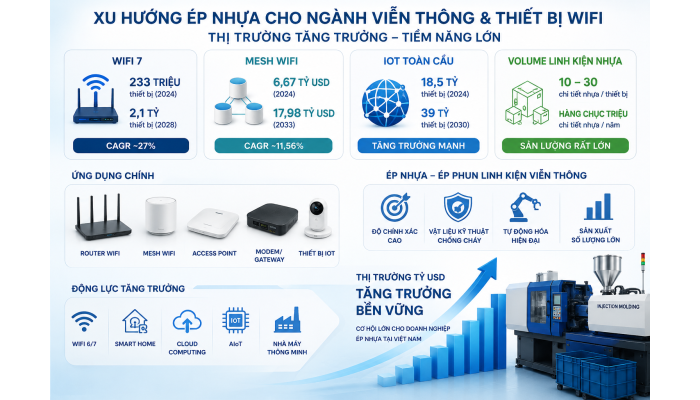
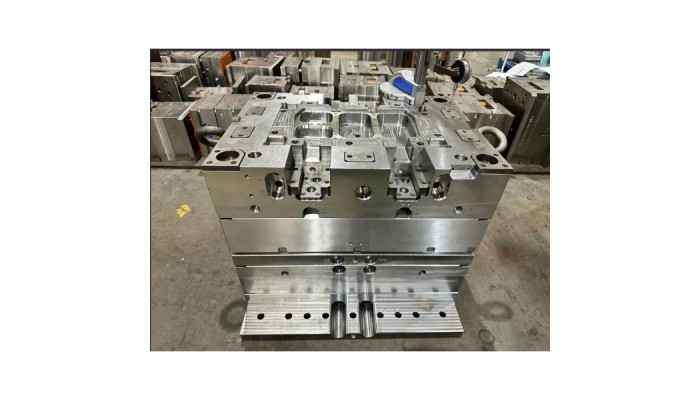
With over 14 years of experience in industrial manufacturing, CNCTech provides plastic injection molding and injection mold manufacturing services. A system of over 120 injection molding machines ranging from 80 to 700 tons, coupled with in-house mold manufacturing capabilities, enables CNCTech to proactively optimize product quality, shorten project implementation times, and enhance production efficiency for customers in the electronics, telecommunications, IoT devices, household appliances, and industrial sectors.Trends in plastic injection molding, component injection molding n
Company Information
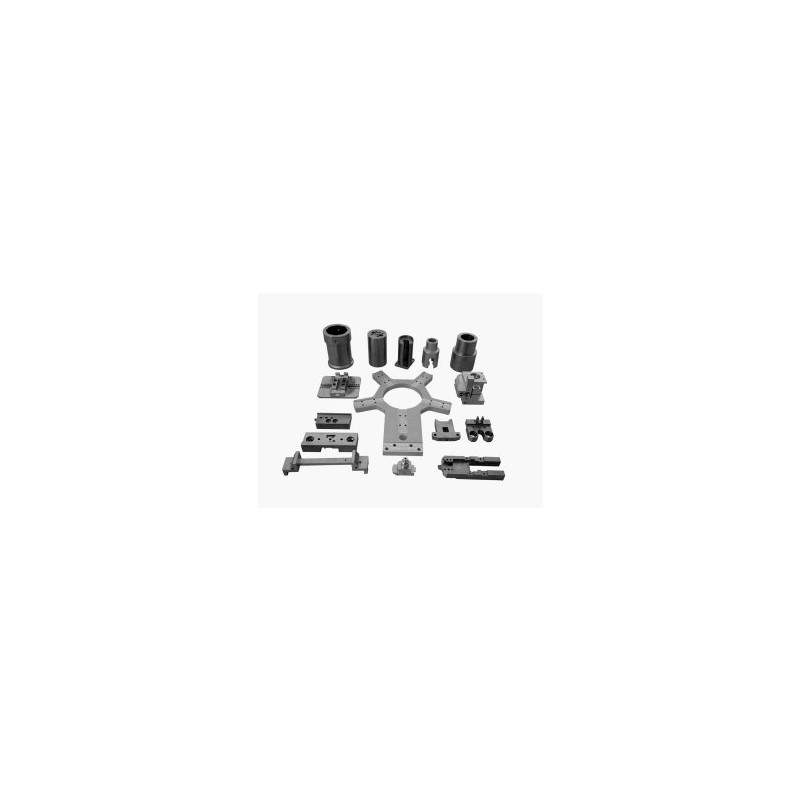
Jigs and tools / Home electrical appliances / Electronic parts
Precision mechanical processing / Mold design and manufacturing / Plastic injection molding
Founded in 2008, CNCTech can provide customers with integrated production of precision cutting, mold design and manufacturing, resin molding, printing and assembly. (1) Precision machining: More than ...
PICKUP
Technology & Services
CONTACT
Contact