CNC TECHNOLOGY SOLUTIONS JOINT STOCK COMPANY
BLOG
Knowledge
Technology and Services
Trends in plastic molding, injection molding of telecommunications components - Wifi devices
2026-05-15
The telecommunications industry is entering a new growth phase thanks to the development of WiFi 6, WiFi 7, mesh WiFi, smart home, IoT, and high-speed connectivity infrastructure. Concurrently, the demand for manufacturing engineering plastic components using injection molding technology is also increasing sharply, especially for products such as plastic casings for WiFi routers, modems, access points, gateways, and industrial network devices.
For the telecommunications industry, plastic components not only serve to protect internal circuit boards but also affect the durability, heat dissipation capability, assembly stability, and aesthetic appeal of the equipment. Therefore, network equipment manufacturers are increasingly prioritizing suppliers with engineering plastic injection molding capabilities, stable injection molding machine systems, and the ability to mass-produce with consistent quality
The market volume for WiFi and IoT devices is growing very strongly
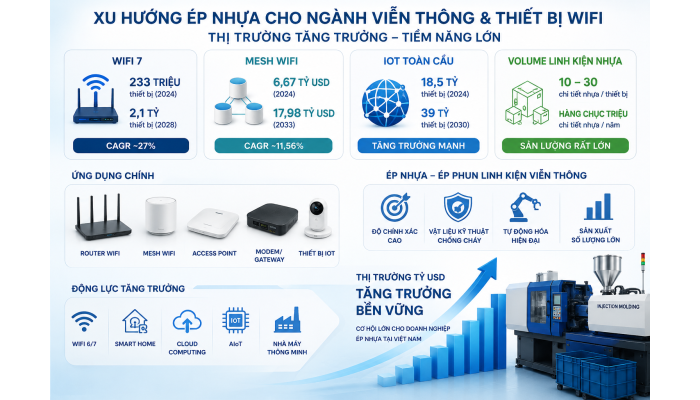
The demand for plastic injection molding in the telecommunications industry is directly linked to the growth of the connected device market. According to the Wi-Fi Alliance, the number of WiFi 7 devices is expected to reach over 233 million units in 2024 and increase to approximately 2.1 billion units by 2028. This is a very significant number, indicating that the wave of replacement and upgrade to new-generation WiFi devices will continue to drive the demand for injection molded plastic components for many years to come.
Furthermore, the number of globally connected IoT devices reached approximately 18.5 billion units in 2024, is projected to increase to 21.1 billion units by 2025, and could reach 39 billion units by 2030. As the number of IoT, smart home, and network devices increases, the demand for plastic casings, assembly components, fixed frames, buttons, covers, and other engineering plastic components also rises.
For a WiFi transmitting device, the number of plastic parts is not just an outer casing. A WiFi router or modem can typically include a top cover, bottom cover, circuit board retention frame, antenna bracket, port cover, buttons, LED light guides, and small internal plastic components. If a WiFi router model is produced at a volume of 1 million units/year, the total number of injection molded plastic components can amount to tens of millions of parts/year. This is why the plastic injection molding industry for telecommunications equipment is considered a high-volume segment, requiring stable production and strict quality control.
Mesh WiFi increases the number of devices in each household
A significant trend in the network equipment market is the development of mesh WiFi. Mesh WiFi is a WiFi system consisting of multiple small transmitting devices, called nodes, placed at various locations in a home, office, or factory. Instead of using just one central WiFi router, a mesh WiFi system helps expand coverage, reduce WiFi dead zones, and maintain a more stable connection.
Previously, a household typically used only one WiFi router. However, with mesh WiFi, a system can consist of 2–5 devices, or even more for offices, hotels, factories, or commercial areas. This means that the number of plastic casings and injection molded components increases exponentially: each mesh node requires its own plastic casing, its own assembly structure, and internal supporting plastic parts.
According to some market reports, the WiFi mesh market is estimated to reach approximately 6.67 billion USD in 2024 and could grow to 17.98 billion USD by 2033, with a compound annual growth rate of approximately 11.56%. Another report on wireless mesh networks also indicates that this market could increase from 8.9 billion USD in 2024 to 17.4 billion USD by 2030. These figures show that mesh WiFi is no longer a niche product but is becoming a popular trend in residential and industrial network infrastructure.
For the plastic injection molding industry, the mesh WiFi trend creates significant demand for products with attractive aesthetics, stable dimensions, and mass production capability. Since many mesh nodes are often placed in visible locations within homes or offices, the requirements for plastic surface finish, color, fit, and overall aesthetics are also higher compared to traditional network devices.
WiFi 7 drives demand for higher-end engineering plastic components
WiFi 7 is the new generation of WiFi, also known as the IEEE 802.11be standard. Compared to WiFi 6 and WiFi 6E, WiFi 7 is designed to provide higher data transfer speeds, lower latency, and better connection efficiency in environments with multiple devices accessing simultaneously. Cisco describes WiFi 7 as a new WiFi standard with significant improvements in speed, latency, and network efficiency.
In terms of products, WiFi 7 routers typically have a more complex configuration: more antennas, higher processing power, better heat dissipation requirements, and a denser internal structure. This means that the plastic casings and internal plastic components of the device are no longer merely protective parts, but must also support heat dissipation, secure the circuit board, ensure assembly clearances, and limit deformation during long-term use.
According to a market report, the global WiFi 7 router market size is estimated at approximately 2.1 billion USD in 2024 and could grow with a CAGR of about 27.3% during the forecast period. Another source estimates that the WiFi 7 router market could increase from approximately 3.5 billion USD in 2024 to 18.2 billion USD by 2033. Although reports may differ in methodology, the common point is that WiFi 7 is creating a new device upgrade cycle, leading to demand for injection molded components with higher precision and stability.
Increasingly high injection molding requirements: thinner, more precise, more stable
As WiFi transmitting devices become more compact and integrate more functions, plastic components must also meet higher technical requirements. WiFi router plastic casings need good assembly precision to avoid gaps, warping, antenna misalignment, or affecting the circuit board installation process.
In injection molding production, factors such as mold temperature, holding pressure, injection speed, cooling time, gate design, and cooling channel structure all directly affect product quality. If the injection molding process is unstable, products may encounter defects such as warping, sink marks, weld lines, flash, dimensional deviations, or uneven surfaces.
For telecommunications equipment, these defects not only affect aesthetics but can also cause assembly difficulties, reduce mechanical durability, or impact the final product quality. Therefore, network equipment manufacturers often require plastic injection molding suppliers to have capabilities in dimensional control, aesthetic inspection, injection molding condition management, and maintaining consistent quality in mass production.
Flame-retardant and engineering plastics become key trends
Network devices often operate continuously for long periods, with many products running 24/7. Therefore, plastic materials used for WiFi routers, modems, access points, and telecom equipment need to meet requirements for heat resistance, flame retardancy, mechanical strength, and dimensional stability.
Common materials in telecommunications component injection molding include ABS, PC, PC+ABS, PBT, PA, POM, and plastic grades with flame retardant additives. Especially for exported electronic devices, flame-retardant materials like UL94 V-0 are often sought to meet international safety standards.
This trend is shifting the telecom plastic injection molding industry from general-purpose plastics to engineering plastics. Suppliers not only need to operate injection molding machines but also must understand shrinkage characteristics, moisture absorption, processing temperature, deformation potential, and material drying requirements before molding. These are crucial factors for maintaining consistent quality during large-volume production.
Automation and data control in injection molding
With large market volumes, the plastic injection molding industry for telecommunications equipment is strongly shifting towards automation. Modern injection molding factories typically use product picking robots, conveyor systems, camera-based aesthetic inspection, SPC, and real-time monitoring of injection molding machine parameters.
The goal of automation is to reduce cycle time, minimize errors due to manual operations, increase stability between production shifts, and detect anomalies early before defects spread to large batches. For products with monthly outputs ranging from tens of thousands to hundreds of thousands of parts, even a small deviation in injection molding conditions can result in a very large quantity of defective goods.
Therefore, process control capability is becoming a crucial criterion when telecommunications companies select plastic injection molding suppliers. Beyond cost, customers also evaluate quality management capabilities, traceability, inspection reports, defect handling capacity, and the stability of the production line.
Opportunities for plastic injection molding suppliers in Vietnam
The development of network devices, IoT, and consumer electronics is creating significant opportunities for plastic injection molding businesses in Vietnam. Vietnam is currently an important destination in Asia's electronics supply chain, especially for Japanese, Korean, Taiwanese, American, and European companies seeking suppliers with stable production capabilities, competitive costs, and good quality management systems.
For the plastic injection molding industry, opportunities lie not only in the production of WiFi router plastic casings but also in many other component groups such as IoT device enclosures, plastic components for gateways, internal plastic frames for network devices, assembly parts for access points, industrial network equipment, and smart electronic products.
However, to participate in this supply chain, suppliers need to simultaneously meet multiple requirements: diverse tonnage injection molding machines, mold manufacturing capabilities, experience in processing engineering plastics, quality control, mass production capability, and the ability to meet international standards.
CNCTech – Plastic Injection Molding Capabilities for Telecom Components and WiFi Devices
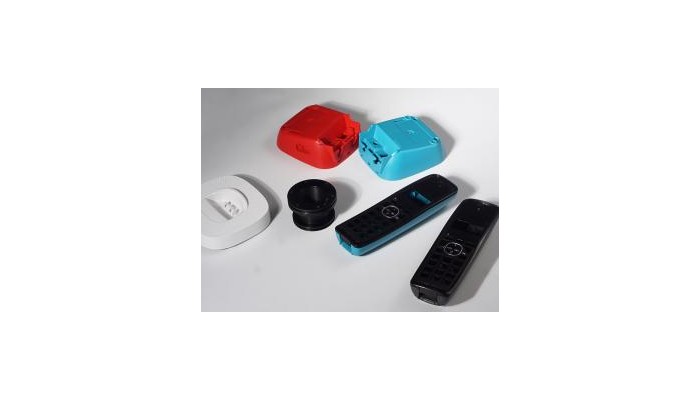
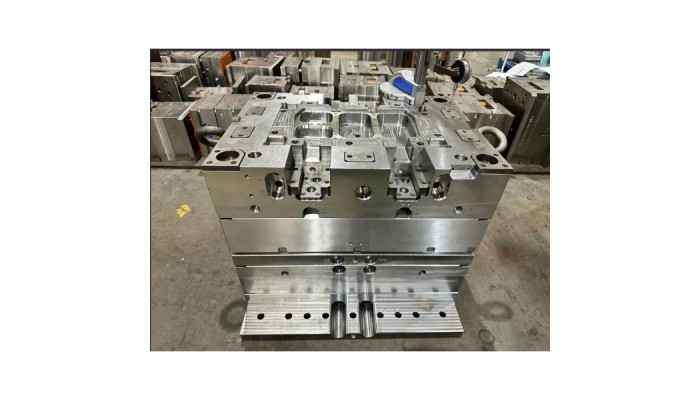
CNCTech is a Vietnamese enterprise with capabilities in engineering plastic injection molding, electronic component injection molding, telecommunications equipment, and IoT. The company currently operates over 120 injection molding machines ranging from 80–700 tons, while also providing related processes such as mold manufacturing, plastic injection molding, silk printing, assembly, and product packaging.
With experience in processing various engineering plastics such as ABS, PC, PBT, PMMA, PA, POM, and TPEE, along with ISO 9001 and IATF 16949 quality management systems, CNCTech is capable of meeting mass production demands for WiFi router plastic casings, telecom components, IoT devices, and high-tech electronic products.

Company Information
Industry Classification
Jigs and tools / Home electrical appliances / Electronic parts
Main 3 Products
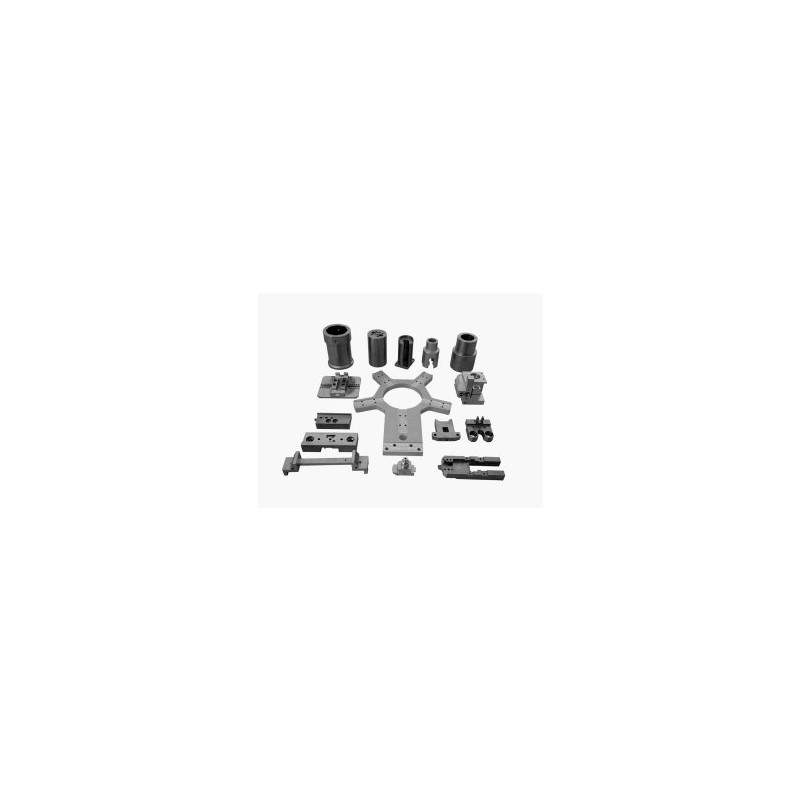
Precision mechanical processing / Mold design and manufacturing / Plastic injection molding
Phone Number
Homepage URL
Founded in 2008, CNCTech can provide customers with integrated production of precision cutting, mold design and manufacturing, resin molding, printing and assembly. (1) Precision machining: More than ...
PICKUP
Technology & Services
CONTACT
Contact