


-
Check
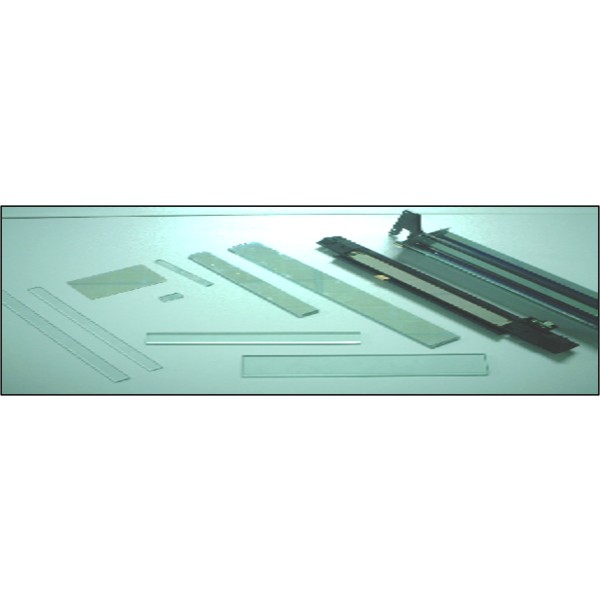

About Vacuum deposition
Vacuum deposition is a type of physical vapor deposition (PVD) method that involves heating and evaporating a material in a high vacuum, then depositing its vapor onto a substrate surface. The evaporation source is vaporized by methods such as resistance heating or electron beam heating, forming a thin film at the atomic or molecular level. This technology is characterized by its compatibility with various materials, including metals, oxides, and nitrides, and its ability to precisely control the deposition of high-purity, uniform films. Primary applications include anti-reflective coatings and filters for optical lenses, imparting metallic luster to decorative items, electrodes and wiring for semiconductor devices, and gas barrier films for food packaging materials. It offers excellent adhesion and film thickness control, making it an indispensable surface modification technology across a wide range of industrial fields.
