
SONG CONG DIESEL ONE MEMBER COMPANY LIMITED
SERVICES
Technology & Services
What impact will EVs have on the iron casting and sand casting industries?
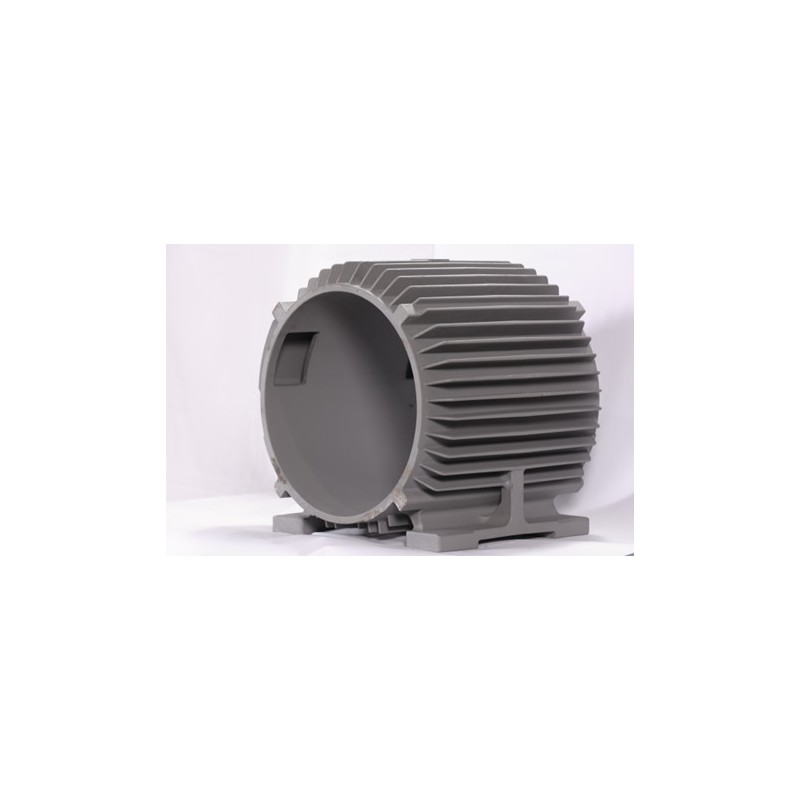
The rapid proliferation of electric vehicles (EVs) is bringing about structural changes in the global automotive industry and significantly impacting the entire parts supply chain, especially the iron casting industry. As internal combustion engines are gradually replaced, the role of iron castings in the automotive industry for passenger cars and light commercial vehicles is entering a phase of contraction and diversification.
How EVs are impacting the iron casting and sand casting industries
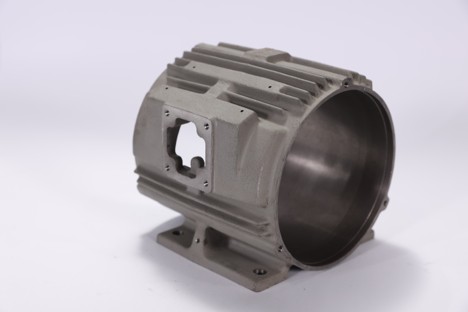
In gasoline and diesel vehicles, iron castings, particularly sand castings, have been used for key components such as engine housings, cylinder heads, transmission cases, and pump bodies, supporting mass production and stable demand for many years. These components were a significant source of revenue for foundries.
However, as internal combustion engines are no longer required in EVs, the number of parts has decreased, and vehicle structures have changed. Furthermore, with an emphasis on weight reduction, lightweight materials such as aluminum and manufacturing methods like die casting are increasingly adopted. With the rise of EVs, demand for conventional cast parts has significantly decreased, and the relative importance of iron castings and sand casting in the automotive industry has declined.
However, this does not mean the iron casting industry will disappear; it indicates a shift in its position within the automotive industry (passenger cars and light commercial vehicles), where it was previously central.
Future Directions for Iron Casting and Sand Casting in the EV Era
While impacted by EVs, iron castings, particularly sand casting, are still believed to have certain market opportunities. By selecting appropriate market segments, companies can expect stable demand in the medium to long term.
- Trucks, special vehicles, and construction machinery sectors In these sectors, there are still technical and practical limitations to complete replacement by EVs.
- Industrial machinery, agricultural machinery, and energy sectors Cast iron continues to be used as an important material due to its advantages in durability, load-bearing capacity, and cost.
- Infrastructure and industrial equipment sectors For components such as valve bodies, pump bodies, and structural parts requiring vibration damping and high strength, demand for cast iron parts produced by sand casting is expected to be maintained in the future.
DISOCO's Initiatives to Adapt to Changes in Industrial Structure
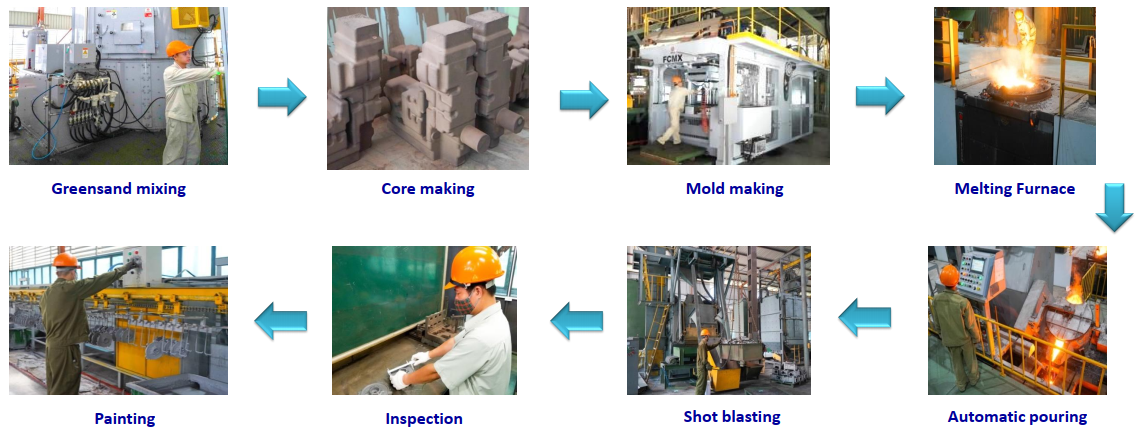
As the iron casting industry faces a turning point, DISOCO is formulating a medium- to long-term strategy and working to strengthen its production capacity and expand its areas of expertise. Leveraging its sand casting technology and experience cultivated over many years, along with a stable quality control system and flexible production capabilities, DISOCO is establishing a system to meet diverse needs in industrial machinery, equipment, infrastructure, and other sectors.
Companies looking for a manufacturing partner for cast iron parts produced by sand casting are encouraged to contact DISOCO.
Company Information
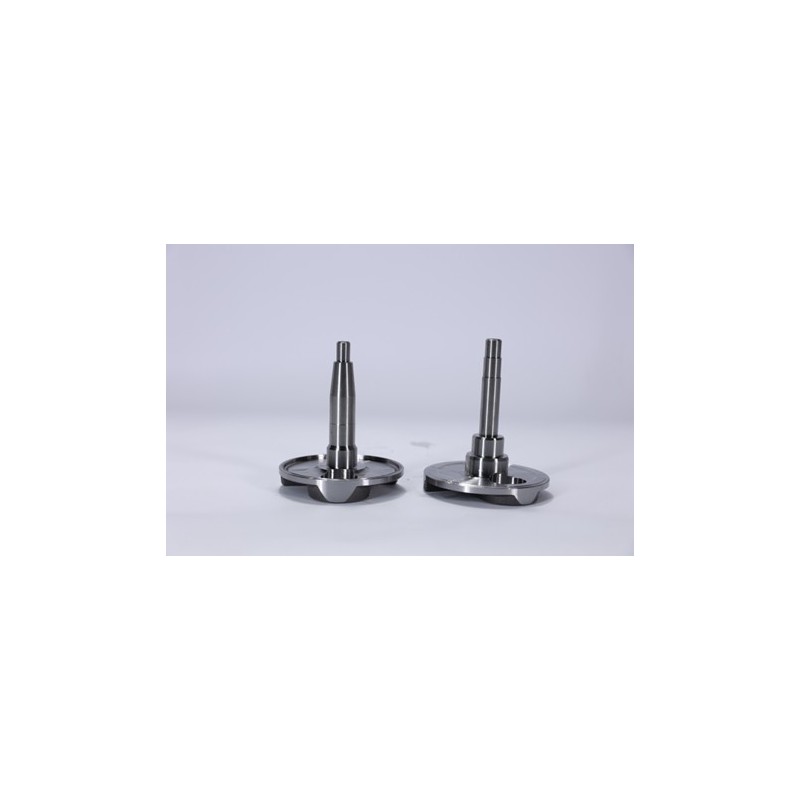
Main 3 Products
Green sand casting components. / Burnt sample casting components. / Hot forging components
Phone Number
Our company specializes in casting, forging, stamping, heat treatment, mainly manufacturing engine parts. Currently, the company is conducting transactions with many Japanese enterprises, as well as p ...
PICKUP
Technology & Services
CONTACT
Contact