
YAMAGUCHI VIETNAM JSC
SERVICES
Technology & Services
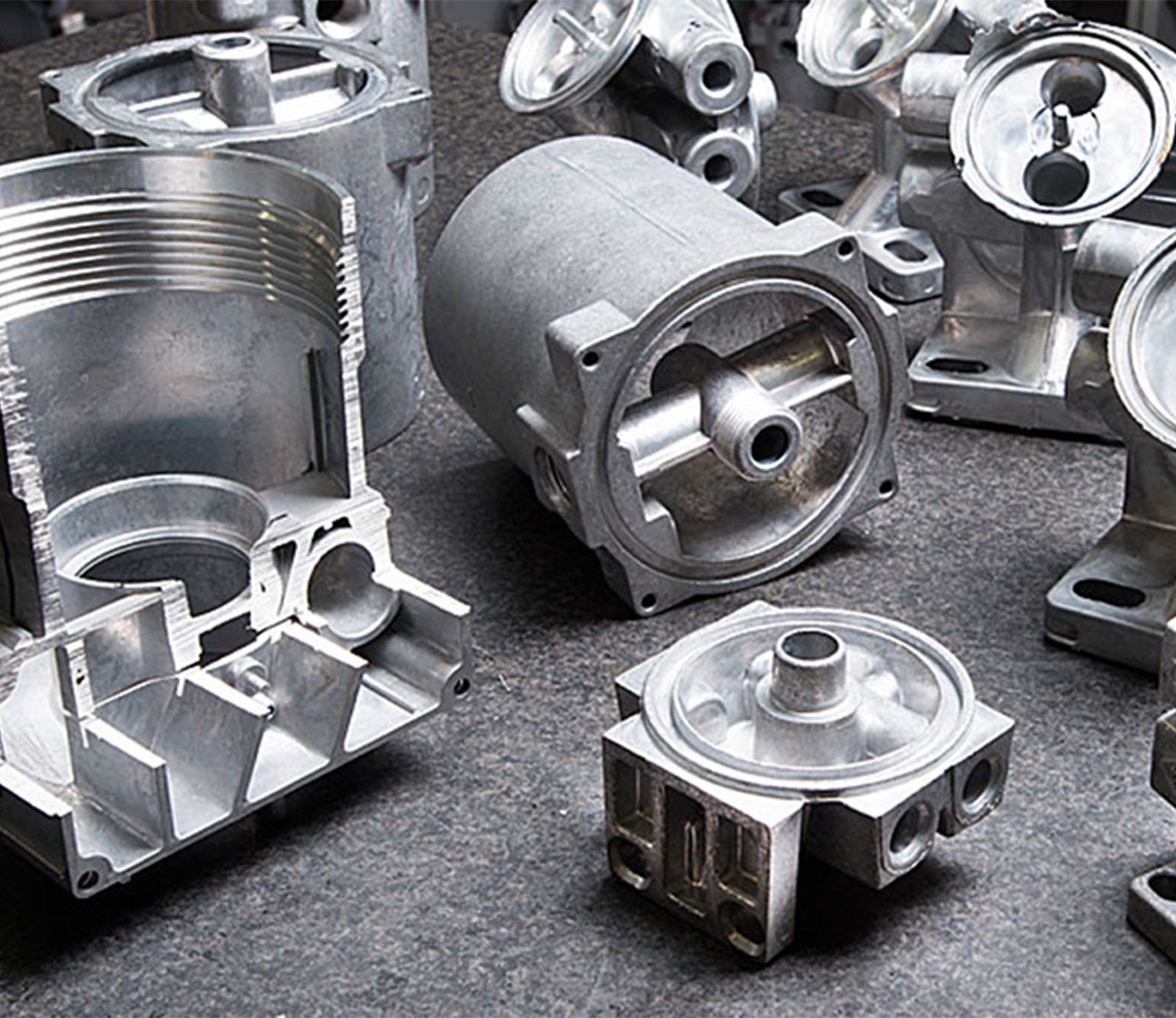
Aluminum die casting process limits die sticking
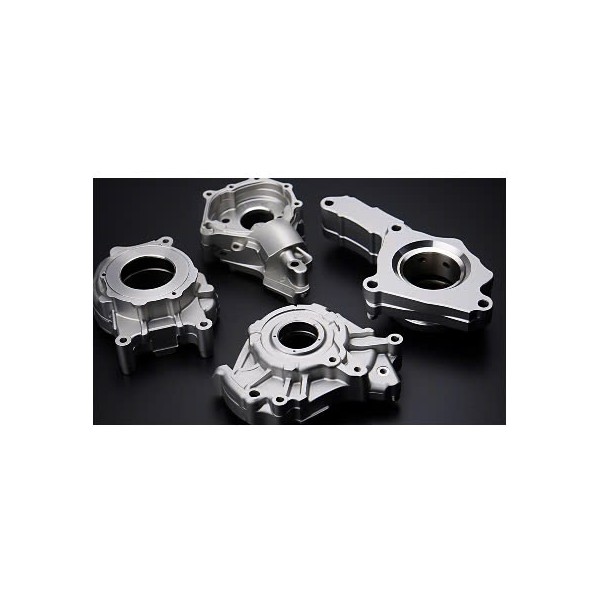
Die sticking is one of the serious problems in aluminum die casting, directly affecting product quality and production efficiency. This phenomenon occurs when molten aluminum adheres to the mold surface during casting, causing product surface defects, reducing productivity, and potentially shortening mold lifespan.
- Main causes of die sticking:
+ Uneven mold temperature: If mold temperature is not well controlled, molten aluminum can stick to the mold surface.
+ Inappropriate release agent usage: Insufficient release agent or using the wrong type will cause the product to stick firmly to the mold, making demolding difficult.
+ Substandard mold material and surface treatment:
If the mold surface is not properly treated, friction between aluminum and the mold increases, easily leading to sticking.
- Consequences of die sticking:
+ Reduced product quality:
Surface defects caused by die sticking affect appearance and precision, which is particularly critical in high-demand fields such as automotive or electronic components.
+ Decreased production output:
The process of cleaning aluminum stuck in the mold cavity is time-consuming, disrupting production and reducing casting speed.
+ Shortened mold lifespan:
Prolonged sticking can damage the mold, necessitating replacement or repair, thereby increasing production costs.
- Solutions to mitigate die sticking at Yamaguchi:
✅ Optimal release agent selection and automatic spray robot usage:
We select release agents suitable for each product type and operating condition, while also using spray robots to ensure even and precise coverage. This also improves mold cooling capabilities, extending mold life.
✅ Regular mold maintenance:
Conduct frequent mold inspections and cleaning, especially in hard-to-reach areas or those prone to aluminum accumulation.
✅ Tungsten coating:
Applying Tungsten coating to the mold surface enhances wear resistance and heat resistance, significantly reducing metal sticking.
✅ Continuous improvement of the production process:
Continuously monitor the entire process to early detect factors that can cause sticking, thereby implementing effective preventive measures.
Thanks to the synchronized implementation of anti-sticking measures, Yamaguchi's aluminum die-cast products maintain high quality, superior durability, and stability.
- Strengths of Yamaguchi's aluminum die casting technology:
🔹 Die casting machine systems ranging from 420 tons to 800 tons, meeting diverse production needs.
🔹 Production of components weighing up to 6.5 kg.
🔹 Production capacity of approximately 45,000 units/month.
🔹 In-house finishing processes, ensuring high quality and fast delivery times.
At Yamaguchi, die sticking is considered a technical issue requiring strict control.
By optimizing release agents, utilizing spray robots, maintaining regular mold maintenance, coating mold cavities with wear-resistant materials, and improving production processes, we have minimized sticking, while simultaneously enhancing the reliability and lifespan of our casting dies.
Company Information
Industry Classification
Jigs and tools / Machine tools / Industrial machinery
Main 3 Products
Machining machine details / Jig design & fabrication / Aluminum die casting
Phone Number
Homepage URL
Yamaguchi Vietnam Joint Stock Company is an engineering company that specializes in manufacturing of precision machined parts and components. We were founded in February 2011.
PICKUP
Technology & Services
CONTACT
Contact