
YAMAGUCHI VIETNAM JSC
SERVICES
Technology & Services
What determines the precision of aluminum die casting?
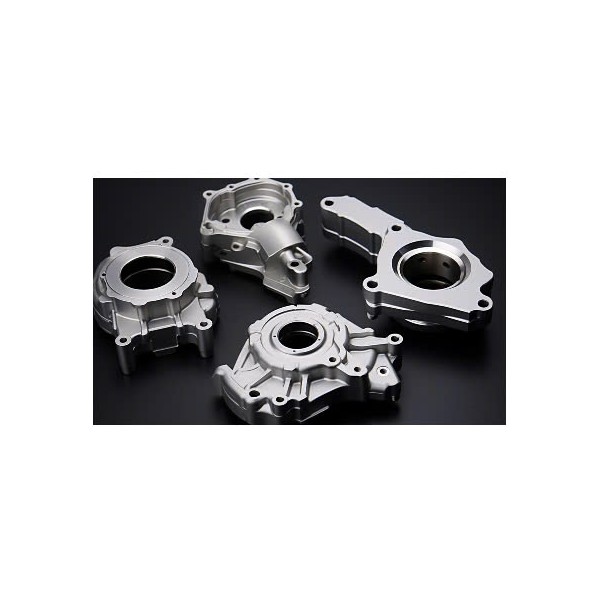
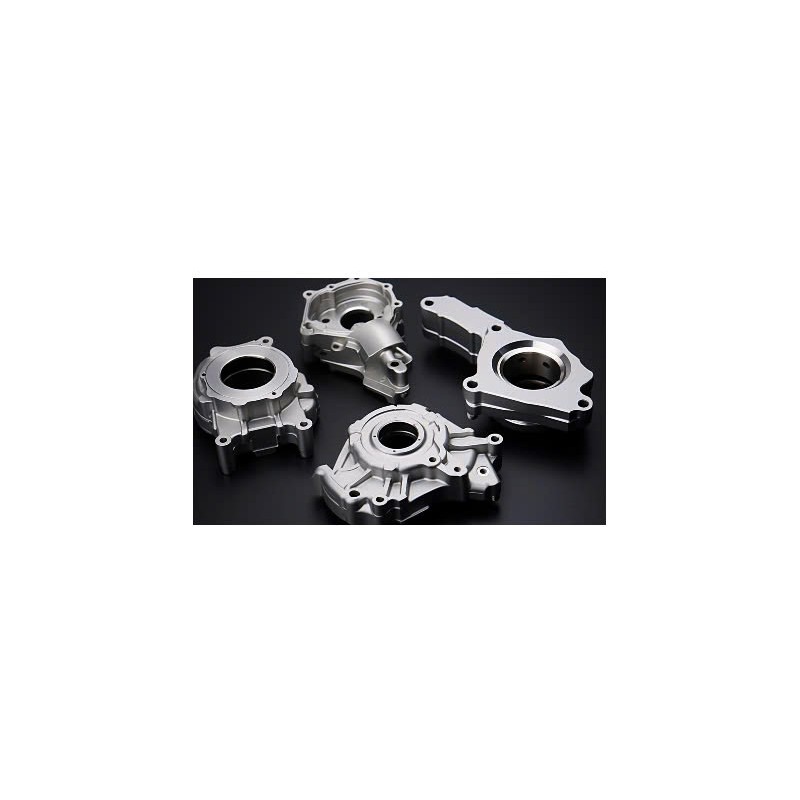
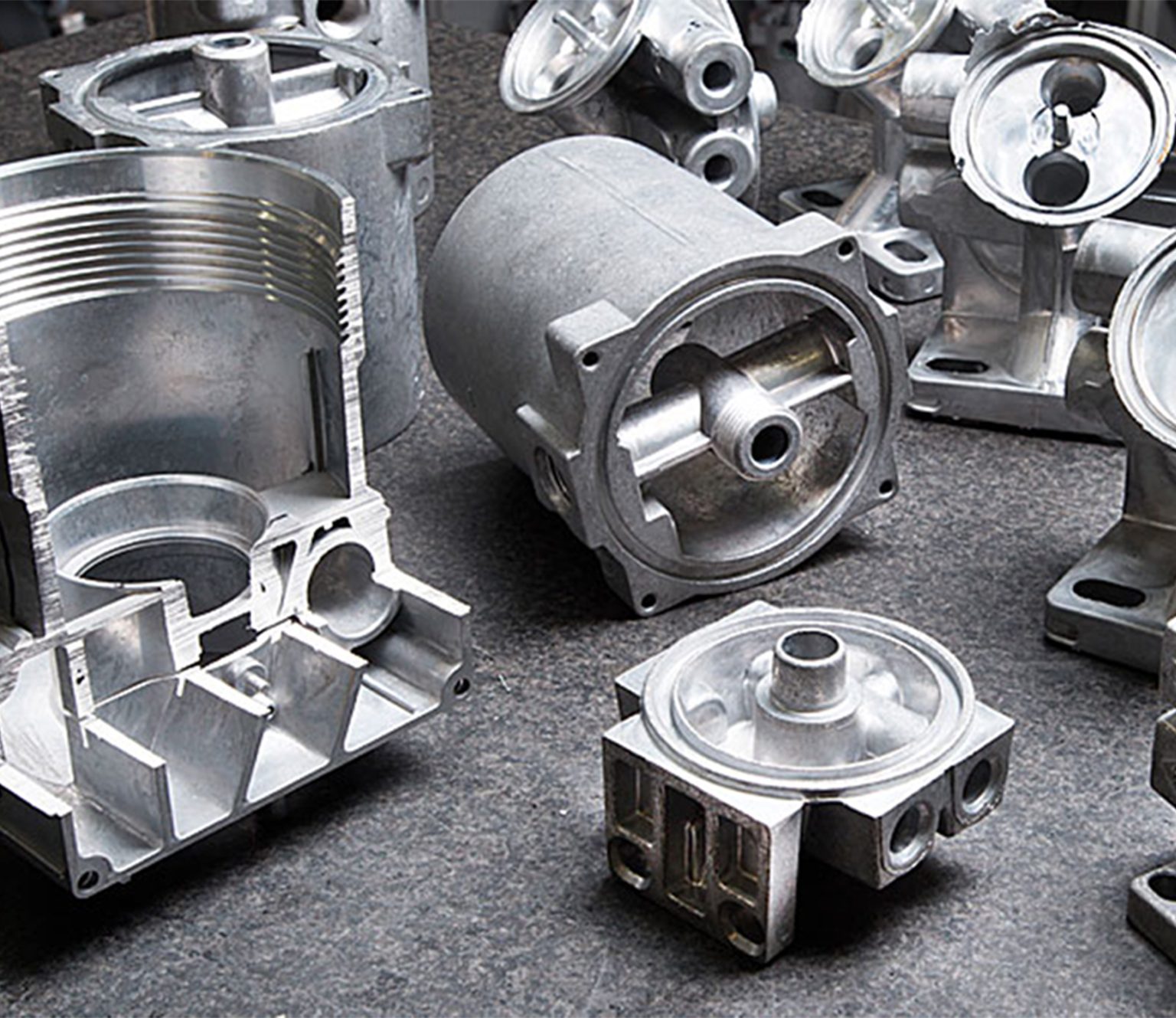
What determines the precision of aluminum die casting? In the manufacturing of metal parts, aluminum die casting is one of the optimal processing methods that can achieve high precision, high surface quality, and high productivity. However, to maintain stable quality for each lot, managing each element in the casting process is extremely important.
Here, we introduce five major factors that directly affect the precision of aluminum die casting, along with Yamaguchi Vietnam's initiatives to stabilize quality.
🔹 1. Molten Metal Temperature Control
If the temperature is too high, it can cause oxidation, gas defects, and dimensional errors; conversely, if it's too low, the mold will not be completely filled, leading to short shots or incomplete filling. The ideal casting temperature for aluminum alloys is 660–700°C.
🔹 2. Injection Pressure
Injection pressure is one of the most important factors influencing mold filling rate and the mechanical strength of the product. Insufficient pressure can result in details and thin-walled sections not being filled, while excessive pressure risks mold damage or deformation.
Yamaguchi Vietnam uses 420–800 ton class die casting machines (manufactured by Toyo, TBC) and implements optimal pressure control according to each mold and product specification. This enhances product density and dimensional accuracy, minimizing geometric errors.
🔹 3. Degassing in the Mold (Venting)
If gas is not properly discharged during injection, air bubbles or voids (blowholes) will occur, leading to surface defects and internal defects.
Yamaguchi Vietnam operates a dedicated vacuum degassing unit in parallel with the die casting machine to evacuate air from inside the mold before injection. This minimizes the occurrence of air bubbles and significantly improves surface quality.
🔹 4. Mold Filling Speed
Filling speed directly relates to the formation of the metal structure and dimensional accuracy. If the speed is too slow, cold shuts (incomplete fusion) will occur, and if too fast, it can cause turbulence, air bubbles, and surface defects.
Yamaguchi Vietnam uses 420–800 ton class die casting machines (manufactured by Toyo, TBC) and achieves stable control of pressure and speed, ensuring uniform metal filling and realizing high-precision product shapes with suppressed internal stress.
🔹 5. Cooling Process
Cooling speed affects shrinkage, residual stress, and surface flatness. Uneven cooling can easily lead to warping and micro-cracks.
Yamaguchi Vietnam performs cooling to maintain a constant mold temperature, especially suppressing temperature variations in thin-walled parts. This maintains high dimensional stability even during continuous casting.
🏭 Yamaguchi Vietnam's Quality Control System
Yamaguchi Vietnam has over 10 years of experience in aluminum die casting and post-processing, establishing an integrated production system from mold design → casting → CNC machining → measurement and inspection.
Main Equipment:
Die Casting Machines: 420–800t (manufactured by Toyo/TBC)
Vacuum Degassing Units, Robotic Spraying Systems (manufactured by FANUC)
CNC Lathes and Machining Centers (precision ±0.01mm)
Coordinate Measuring Machines (CMM), Form Measuring Machines, Roundness and Roughness Measuring Machines
ISO 9001:2015 certified, 100% inspection system
By consistently managing the five factors mentioned above, Yamaguchi Vietnam achieves high precision of ±0.1mm and excellent shape stability, meeting the stringent quality requirements of Japan and overseas.
📩 Inquiries
If you are looking for a partner who can stably supply high-precision, high-quality aluminum die-cast products, please do not hesitate to contact Yamaguchi Vietnam.
We will propose optimal casting and processing solutions based on your drawing specifications.
Here, we introduce five major factors that directly affect the precision of aluminum die casting, along with Yamaguchi Vietnam's initiatives to stabilize quality.
🔹 1. Molten Metal Temperature Control
If the temperature is too high, it can cause oxidation, gas defects, and dimensional errors; conversely, if it's too low, the mold will not be completely filled, leading to short shots or incomplete filling. The ideal casting temperature for aluminum alloys is 660–700°C.
🔹 2. Injection Pressure
Injection pressure is one of the most important factors influencing mold filling rate and the mechanical strength of the product. Insufficient pressure can result in details and thin-walled sections not being filled, while excessive pressure risks mold damage or deformation.
Yamaguchi Vietnam uses 420–800 ton class die casting machines (manufactured by Toyo, TBC) and implements optimal pressure control according to each mold and product specification. This enhances product density and dimensional accuracy, minimizing geometric errors.
🔹 3. Degassing in the Mold (Venting)
If gas is not properly discharged during injection, air bubbles or voids (blowholes) will occur, leading to surface defects and internal defects.
Yamaguchi Vietnam operates a dedicated vacuum degassing unit in parallel with the die casting machine to evacuate air from inside the mold before injection. This minimizes the occurrence of air bubbles and significantly improves surface quality.
🔹 4. Mold Filling Speed
Filling speed directly relates to the formation of the metal structure and dimensional accuracy. If the speed is too slow, cold shuts (incomplete fusion) will occur, and if too fast, it can cause turbulence, air bubbles, and surface defects.
Yamaguchi Vietnam uses 420–800 ton class die casting machines (manufactured by Toyo, TBC) and achieves stable control of pressure and speed, ensuring uniform metal filling and realizing high-precision product shapes with suppressed internal stress.
🔹 5. Cooling Process
Cooling speed affects shrinkage, residual stress, and surface flatness. Uneven cooling can easily lead to warping and micro-cracks.
Yamaguchi Vietnam performs cooling to maintain a constant mold temperature, especially suppressing temperature variations in thin-walled parts. This maintains high dimensional stability even during continuous casting.
🏭 Yamaguchi Vietnam's Quality Control System
Yamaguchi Vietnam has over 10 years of experience in aluminum die casting and post-processing, establishing an integrated production system from mold design → casting → CNC machining → measurement and inspection.
Main Equipment:
Die Casting Machines: 420–800t (manufactured by Toyo/TBC)
Vacuum Degassing Units, Robotic Spraying Systems (manufactured by FANUC)
CNC Lathes and Machining Centers (precision ±0.01mm)
Coordinate Measuring Machines (CMM), Form Measuring Machines, Roundness and Roughness Measuring Machines
ISO 9001:2015 certified, 100% inspection system
By consistently managing the five factors mentioned above, Yamaguchi Vietnam achieves high precision of ±0.1mm and excellent shape stability, meeting the stringent quality requirements of Japan and overseas.
📩 Inquiries
If you are looking for a partner who can stably supply high-precision, high-quality aluminum die-cast products, please do not hesitate to contact Yamaguchi Vietnam.
We will propose optimal casting and processing solutions based on your drawing specifications.
Company Information
Industry Classification
Jigs and tools / Machine tools / Industrial machinery
Main 3 Products
Machining machine details / Jig design & fabrication / Aluminum die casting
Phone Number
Homepage URL
Yamaguchi Vietnam Joint Stock Company is an engineering company that specializes in manufacturing of precision machined parts and components. We were founded in February 2011.
PICKUP
Technology & Services
CONTACT
Contact