


Companies matching Lubrication equipment manufacturing
-
Check

Tokyo
IDEA TECHNOLOGY CORPORATION JSC
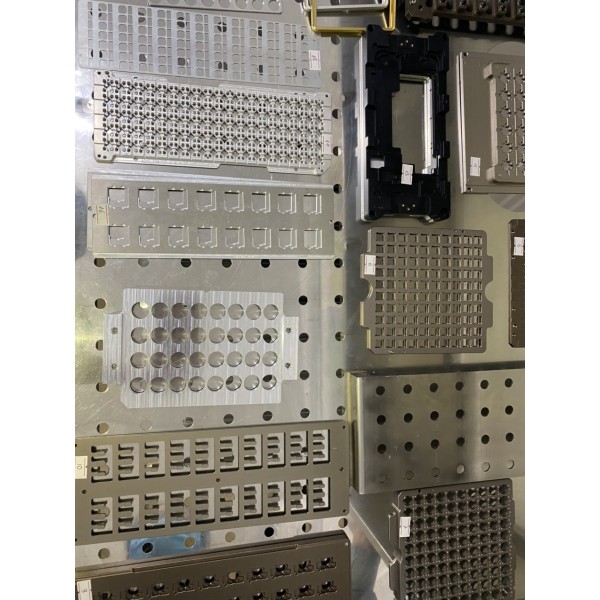
Mechanical Design and Drafting Support: 2D CAD drawing tracing, parts breakdown, mechanical design support, 3D modeling, sheet metal fabrication drawing development, structural mechanics analysis, simulation, control panel design. Precision Machining of Mechanical Parts: OEM, CNC lathe products, CNC milling products, sheet metal processed products, welded frames, machined mechanical frames, jigs and fixtures (welding jigs, inspection jigs, clamping jigs). Automation Solutions: Palletizing, custom machine design and manufacturing, automatic packaging solutions, logistics and material handling solutions, AGV (Automated Guided Vehicle) solutions, MES system - production management and monitoring. OJT, Human Resources Training Center: Training and dispatch of mechanical design engineers and electrical programmers.
-
Check
-
Check
Ho Chi Minh
NAKASEIKI VIETNAM COMPANY LIMITED
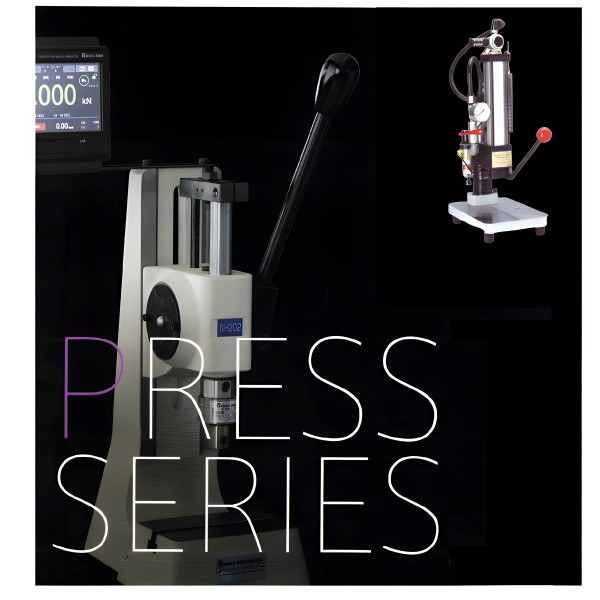
NAKASEIKI VIETNAM COMPANY LIMITED, a subsidiary of Nakaseiki (Japan), specializes in assembling and distributing NAKA hand presses and high-precision air chucks. With Japanese technology and local support, we provide compact, durable, and accurate equipment that enhances safety, increases productivity, and is easy to maintain. In addition, we offer ultra-precision machining based on customer drawings.

About Lubrication equipment manufacturing
Lubrication equipment manufacturing refers to the production of devices designed to supply lubricants (oil, grease) to the sliding and rotating parts of industrial machinery, automobiles, construction machinery, and other equipment, with the aim of reducing friction and wear, cooling, preventing rust, and sealing. Pumps, distribution valves, lubricators, filters, and piping are key products, and they play an indispensable role in extending the lifespan and ensuring stable operation of equipment across a wide range of industrial sectors, including machine tools, robots, wind power generation, steelmaking facilities, and food machinery. As high-precision fluid control is required, precision machining (lathes, milling machines, machining centers), grinding, and honing are frequently employed for component manufacturing. Furthermore, to improve corrosion resistance and durability, surface treatment and heat treatment are also crucial processes, and it is common to manufacture rough shapes by casting or forging, followed by finishing with machining.
