
SERVICES
Technology & Services
SM-4 – Steam-treatable sintered material for enhanced corrosion resistance
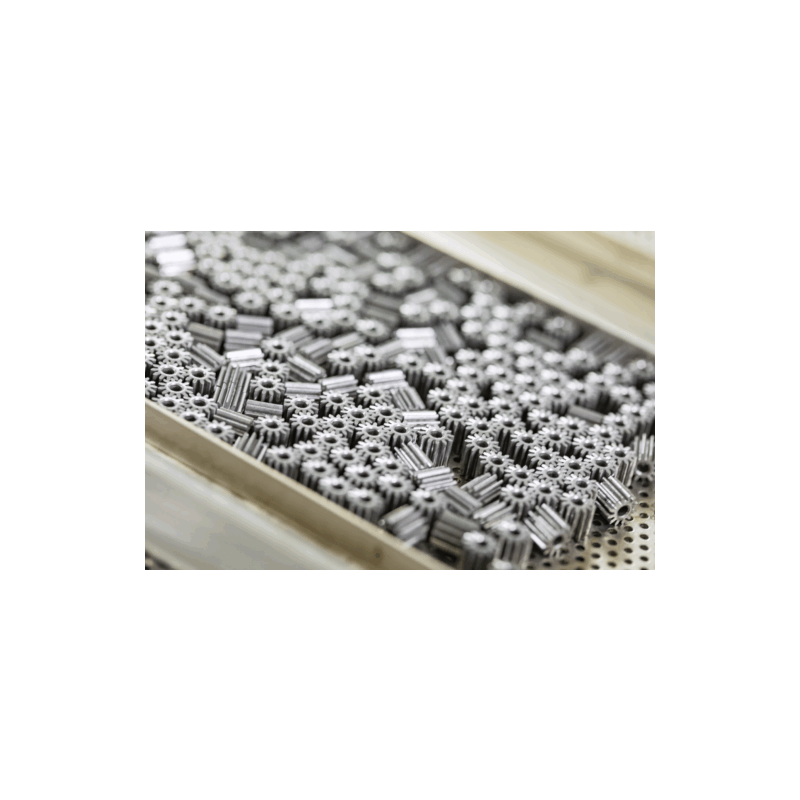
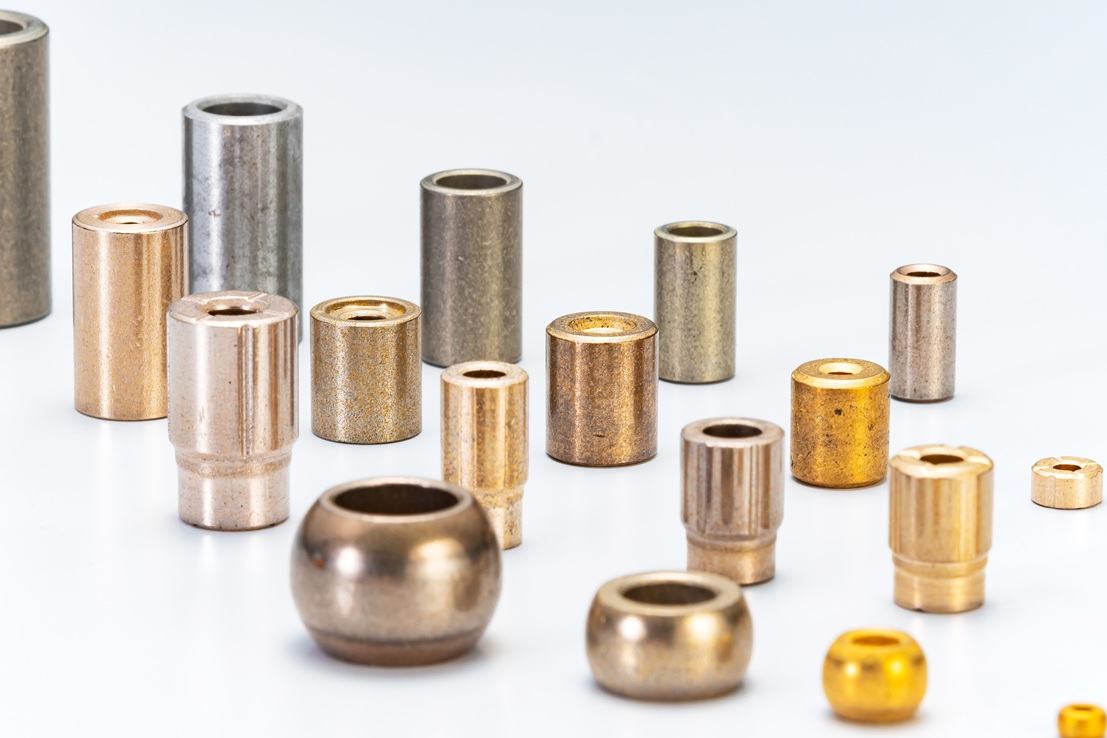
Sintered iron-based parts are widely used in automotive components, industrial machinery, engines, office equipment, and various types of mechanical structural parts. However, due to the presence of small pores within the material, water and moisture can penetrate the material structure, increasing the risk of oxidation, red rust, and corrosion. This issue is particularly noteworthy for products that must be stored for long periods or operate in hot and humid environments.Peace-Lon's SM-4 is an iron-based sintered material equivalent to the old standard JIS SMF4030. The material can undergo steam treatment to form an Fe₃O₄ oxide layer on the surface and within a portion of the pores, thereby helping to improve corrosion resistance, surface hardness, and wear resistance.
What is SM-4?
SM-4 is an iron-copper sintered material used for mechanical structural parts. During the manufacturing process, metal powder is pressed into shape in a mold, then sintered to bond the material particles. Powder metallurgy technology allows for the creation of many parts with shapes close to the finished product, helping to reduce material waste and limit some machining operations. After sintering, SM-4 can be used directly or further subjected to surface treatment and heat treatment to adjust its properties according to the requirements of each product.
Key features of SM-4
- Equivalent to the old standard JIS SMF4030
- Iron-based sintered material with added copper
- Can undergo steam treatment
- Can undergo carburizing, quenching, and tempering
- Helps enhance corrosion resistance
- Can improve surface hardness and wear resistance
- Suitable for various types of mechanical structural parts
- Favorable for mass production using powder metallurgy technology
Material composition of SM-4
According to material specifications, SM-4 uses iron as the base component and has a copper content of no more than 5%.
| Component | Content |
| Fe | Remainder |
| Cu | ≤ 5 wt% |
| Ni | Not specified |
| Cr | Not specified |
| C | ≤ 1 wt% |
| Other components | ≤ 3 wt% |
The iron-copper composition makes SM-4 suitable for common mechanical structural parts, while also allowing for post-sintering treatments to improve surface properties.
Mechanical properties of SM-4
| Item | Value |
| Density | ≥ 6.4 g/cm³ |
| Hardness | ≥ 100 HV |
| Tensile strength | ≥ 300 MPa |
| Yield strength | ≥ 270 MPa |
| Young's Modulus | 80 GPa |
| Elongation | ≥ 1.0% |
| Impact strength | ≥ 5 J |
The above parameters indicate that SM-4 can be used for various types of mechanical parts requiring strength, stability, and post-sintering treatability.※ The actual properties of the finished product may vary depending on sintering density, shape, size, processing conditions, and the requirements of each product.
Why are sintered iron-based parts prone to rust?
Unlike solid metal materials, sintered parts have a porous structure with many small internal pores. When water, moisture, or oxygen penetrates the pore system, oxidation can develop not only on the surface but also within the material structure. The risk of corrosion often increases under the following conditions:
- High temperature and humidity environments
- Long-term storage
- Outdoor use
- Contact with water or moisture
- Improper packaging and storage conditions
- Anti-rust oil not evenly applied or losing its protective effectiveness
Rust not only affects appearance but can also make the surface rough, increase friction, affect assembly capability, and shorten the lifespan of the part.
How does steam treatment improve SM-4?
Steam treatment, also known as high-temperature steam treatment, is a surface treatment method commonly applied to iron-based or low-copper iron-copper sintered materials. During this process, the part is heated in a steam environment at approximately 400–600°C. Controlled oxidation forms a blue-black magnetite Fe₃O₄ layer on the surface and within a portion of the material's pore system. The Fe₃O₄ layer can provide the following effects:
- Reduces the direct contact of water and moisture with the iron substrate
- Limits the risk of red rust formation
- Partially seals the porous structure
- Enhances surface hardness
- Improves wear resistance
- Limits the penetration of liquids through the pore system
As a result, steam treatment is not only used as an anti-rust measure but can also improve the surface properties of sintered parts.
Moisture resistance evaluated in a 500-hour test
SM-4 parts after steam treatment were tested under the following conditions:
- Temperature: 60°C
- Relative humidity: 95% RH
- Duration: continuous 500 hours
According to the documentation, no significant change in appearance was observed in the samples after testing. This result indicates that steam treatment can help maintain the surface condition of sintered parts under high temperature and humidity conditions.※ The above results were recorded under specific test conditions. Actual effectiveness may vary depending on shape, sintering density, processing conditions, usage environment, and evaluation standards for each product.
SM-4 can undergo carburizing, quenching, and tempering
In addition to steam treatment, SM-4 can also be subjected to carburizing, quenching, and tempering. Each treatment method aims for different objectives:
| Main requirement | Method to consider |
| Improve moisture and corrosion resistance | Steam treatment |
| Enhance surface hardness and wear resistance | Carburizing, quenching, and tempering |
| Requires multiple properties simultaneously | Evaluate according to the conditions of each product |
Steam treatment is suitable when corrosion resistance and surface properties need to be improved. Meanwhile, carburizing, quenching, and tempering can be considered when the part requires higher surface hardness to withstand friction or contact loads.※ The selection of the treatment method should be based on shape, tolerance, load, friction conditions, usage environment, and target lifespan.
What products is SM-4 suitable for?
SM-4 can be considered for various types of sintered parts such as:
- Sintered bearings
- Ring-shaped parts
- Engine components
- Office equipment components
- Home appliance components
- Automotive components
- Industrial machinery parts
- Parts with relatively complex internal or external profiles
- Types of mechanical structural parts requiring moisture resistance, rust prevention, or improved surface properties
When should SM-4 be considered?
SM-4 is a worthwhile option when:
- Sintered parts develop rust during storage
- Products are used in hot and humid environments
- Anti-rust oil does not provide stable effectiveness
- Surface corrosion resistance needs to be improved
- Desiring to simultaneously enhance hardness and wear resistance
- A material is needed that allows for various post-sintering treatment options
- Products require mass production
- Desiring to reduce some machining operations
Technical support from Peace-Lon Vietnam
Peace-Lon Vietnam supports customers from sintered material selection to surface treatment, trial production, and mass production. Based on the usage environment, humidity, friction conditions, tolerance requirements, storage time, and target lifespan, Peace-Lon can propose:
- Suitable sintered material
- Steam treatment options
- Carburizing, quenching, and tempering options
- Additional machining
- Inspection and quality management methods
If your business is experiencing rust issues with sintered parts, needs to improve corrosion resistance, or is looking for materials that can undergo surface and heat treatment, please contact Peace-Lon Vietnam for consultation based on the actual usage conditions of each product.
Company Information
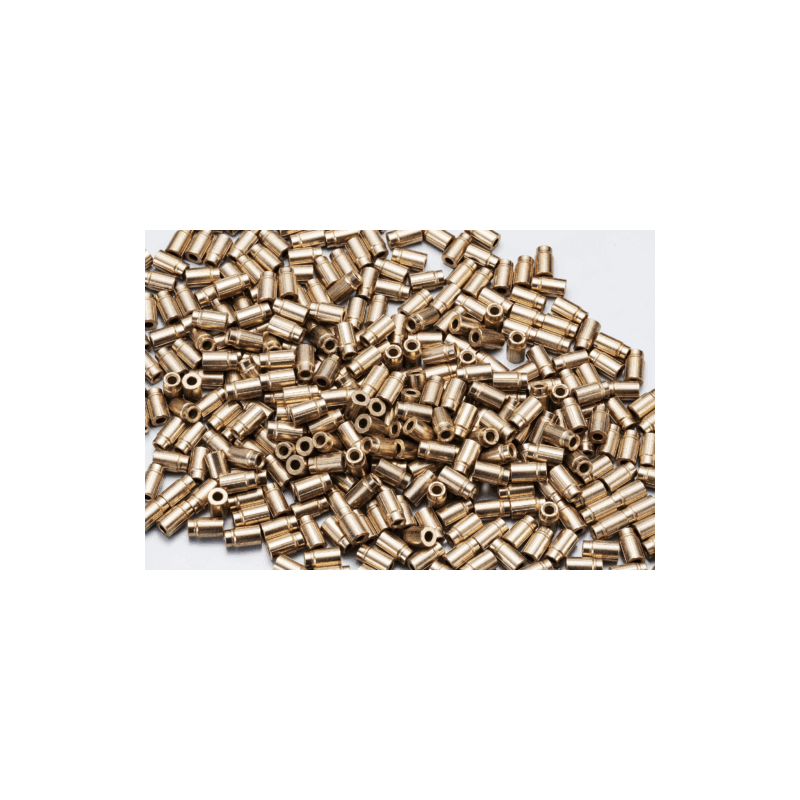
Electronic parts
Oil-impregnated sintered bearing / Gears, pulleys, and other mechanical parts / Powder Metallurgy
Peace-Lon is a brand of Heiwa Sangyo Co., Ltd., a Japanese company that has manufactured self-lubricating oil-impregnated plain bearings and sintered mechanical parts utilizing powder metallurgy and s ...
CATALOG
Related Catalogs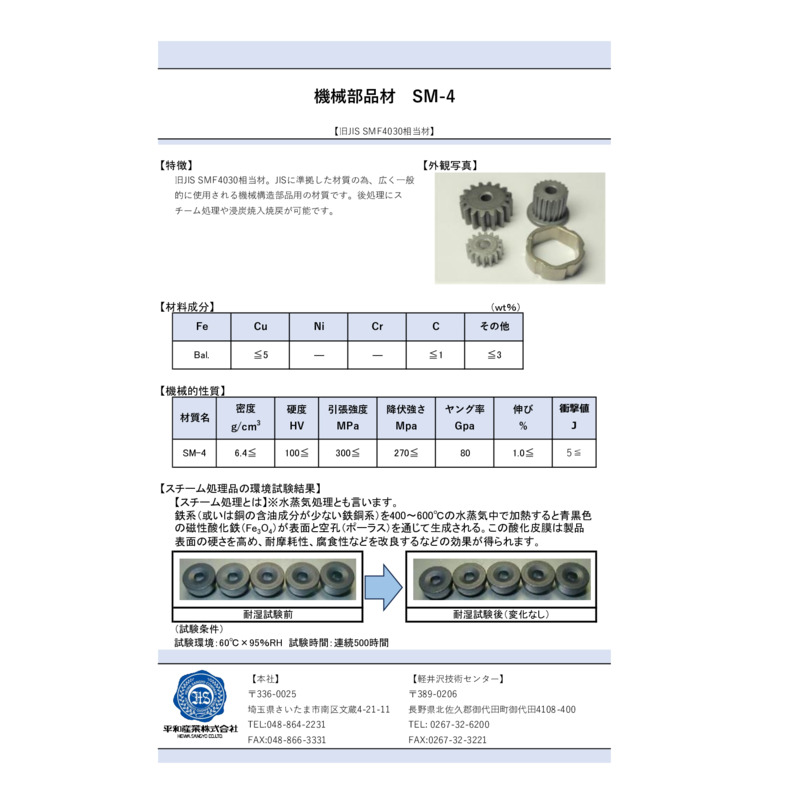
PICKUP
Technology & Services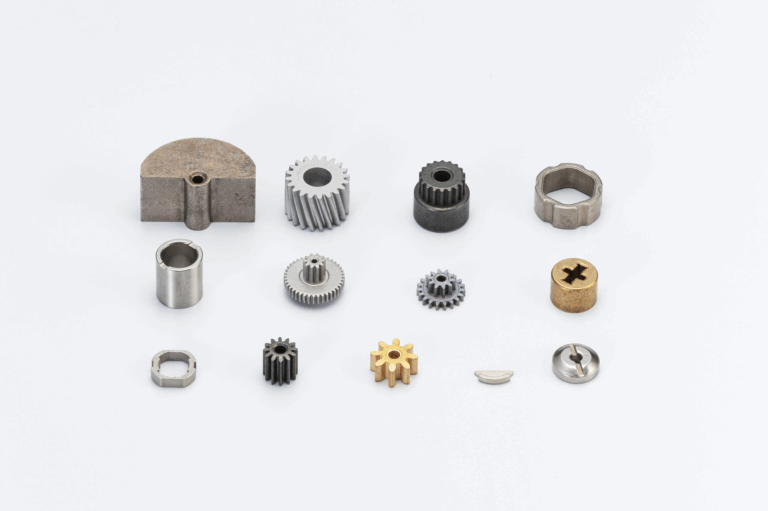
CONTACT
Contact