
NC Network Vietnam JSC
PRODUCT
Production Goods
What is a Supplier? How to Find Reputable Suppliers for Manufacturing Businesses

Suppliers are one of the crucial components in the supply chain of any manufacturing business. The main objective is to provide the necessary raw materials, components, and services to ensure product progress and quality. Finding suitable and reliable suppliers is a crucial first step for business success!
1. Overview of Suppliers in Manufacturing Businesses
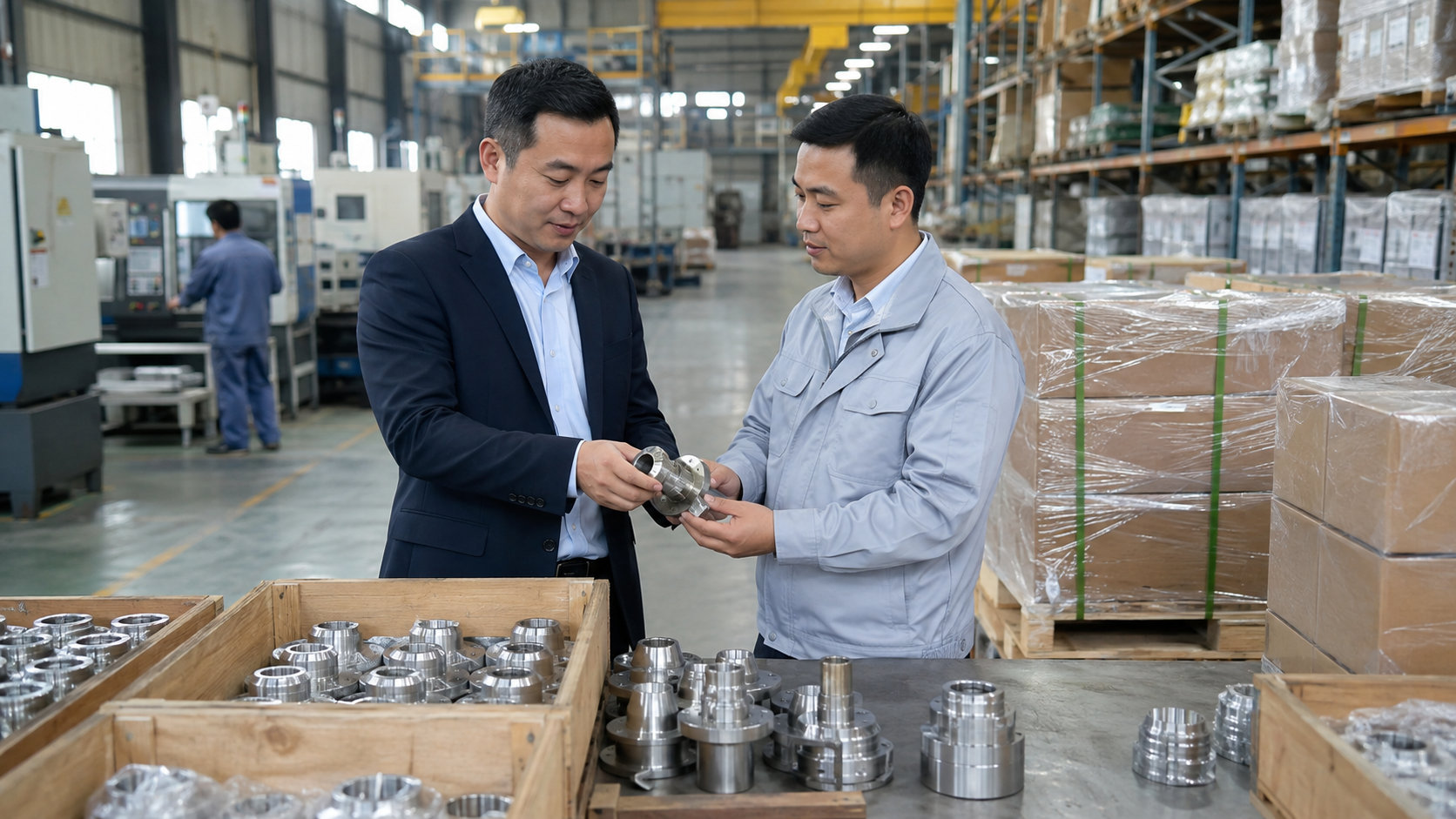
Suppliers in the manufacturing sector play an essential role in providing materials and components. These are businesses or individuals that manufacturing businesses rely on to ensure the necessary supply of goods for the production process.
1.1 What is a supplier in a manufacturing business?
Suppliers in a manufacturing business are companies or individuals that provide the raw materials, components, machinery, and equipment necessary for the business to operate its production process. Their work is not limited to supplying products but also includes ensuring quality, delivery time, and technical support.
Suppliers can be large organizations, small and medium-sized companies, or independent manufacturers, often part of a supply chain network and responsible for various aspects of the production stage.
1.2 Who are B2B manufacturing suppliers?
In the B2B (business to business) environment, any business capable of supplying products to a manufacturing business is called a B2B supplier. These suppliers can be of various types.
1.2.1 Machining Companies
Machining companies are one of the basic types of suppliers in the manufacturing industry. Their goal is to provide the mechanical components, equipment, and tools necessary for the production process. The development of technology and production processes has required machining companies to continuously improve their production capacity and product quality.
In addition to supplying products, machining companies can also support manufacturing businesses with services such as processing, repair, and maintenance of machinery and equipment. This helps reduce costs and optimize the production process.
1.2.2 Contract Manufacturers
Contract manufacturers are units specializing in carrying out processing and manufacturing processes according to orders from other businesses. The supplier receives raw material products from the business and processes them into finished products or parts of products.
Contract manufacturers play an important role in reducing initial investment costs for a company's production line. By collaborating with contract manufacturers, businesses can focus on their core activities without needing to invest heavily in production equipment.
1.2.3 Component Manufacturing Companies
Component manufacturing companies supply smaller but very important products in manufacturing. Components such as electronic chips, printed circuits, or mechanical parts are indispensable components in the production process.
The development of technology opens up many opportunities for component manufacturing companies, but also poses many challenges regarding quality and price. Therefore, the selection of component suppliers must be done carefully.
1.2.4 Material Suppliers
Material suppliers are those who provide the necessary materials for production such as metals, plastics, rubber, chemicals, and various other industrial materials. They play a special role in continuously and reliably supplying raw materials.
To become a reliable material supplier, these units need to maintain stable quality and delivery times. Manufacturing businesses need to develop clear plans to coordinate well with these suppliers.
1.2.5 Machinery, Equipment, and Industrial Services Suppliers
Machinery, equipment, and industrial services suppliers are businesses that specialize in providing essential equipment for a company's production line. This includes everything from production machinery to supporting technical services.
Competition in the machinery and equipment market is increasing, so the selection of suppliers is not only based on price but also on quality, customer service, and delivery speed.
2. Role of Suppliers in Manufacturing Businesses
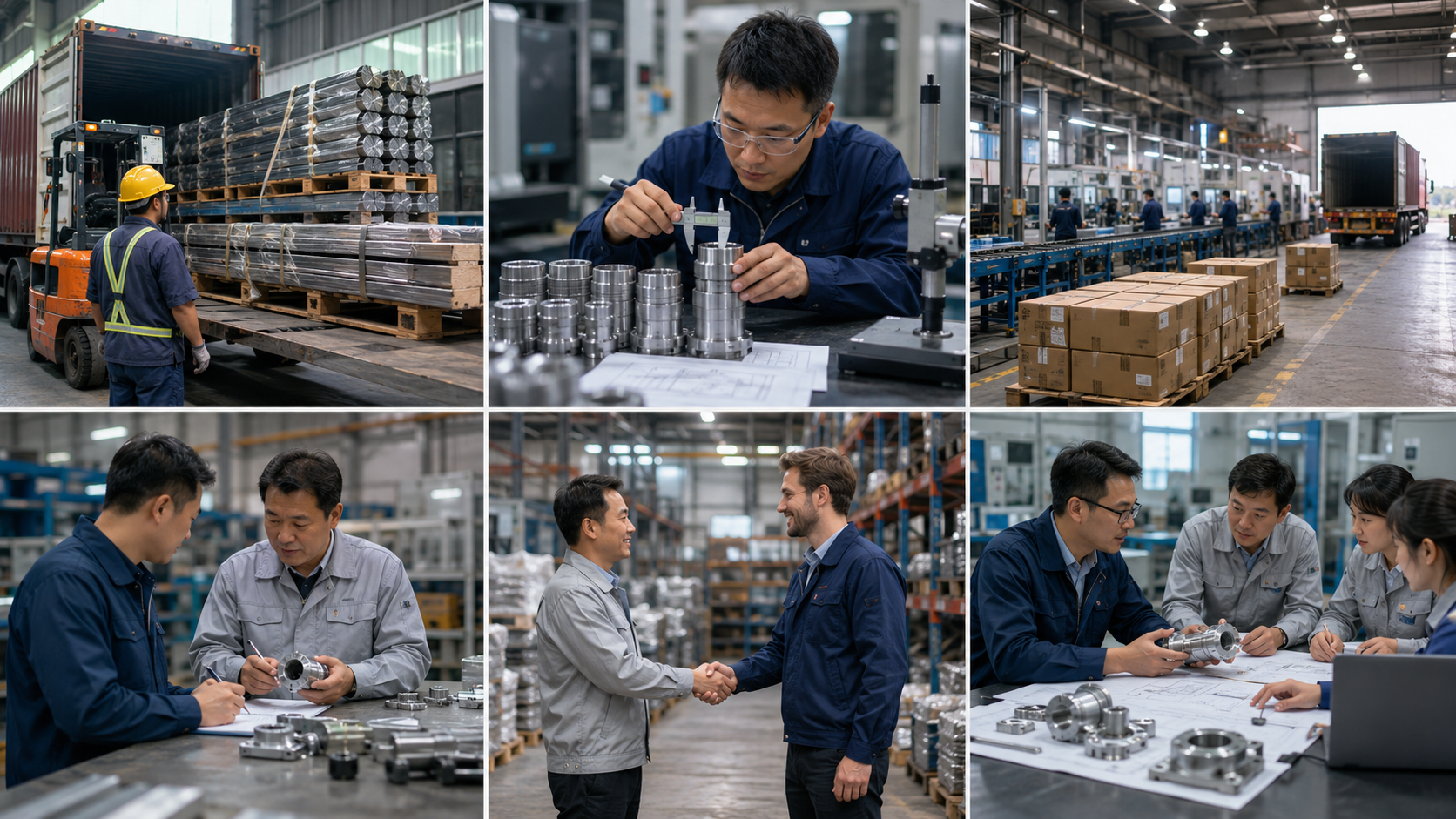
Suppliers play an extremely important role in a business's manufacturing operations. They are not only a source of raw materials but also affect many strategic factors of the business.
2.1 Ensuring Raw Material Supply
One of the main roles of suppliers is to ensure that manufacturing businesses always have enough raw materials and components to operate. Material shortages can cause disruptions in the production line, affecting product quality and delivery schedules.
Especially in the manufacturing industry, maintaining a stable supply from suppliers can help businesses optimize costs and improve efficiency. Suppliers will need to meet high quality standards and plan for contingencies in case of incidents.
2.2 Direct Impact on Product Quality
The quality of the final product is highly dependent on the quality of the raw materials and components that the business uses in production. If suppliers do not ensure product quality, this will lead to a decline in the quality of finished products, causing damage to both brand and financial aspects for the business.
Therefore, businesses need to carefully select suppliers, check product quality, and regularly inspect the quality of incoming goods. Consistency in quality will also help build trust from customers.
2.3 Determining Production and Delivery Schedules
Suppliers directly influence a business's production and delivery schedules. Delivery time can determine the product's ex-factory date and generate revenue for the business.
If suppliers deliver late or fail to meet deadlines, the business may face a shortage of goods, leading to incurred costs or loss of customer trust. Therefore, having a supplier tracking and evaluation system is extremely necessary.
2.4 Impact on Production Costs and Profit Margins
The cost of raw materials and components from suppliers contributes a large portion to the total production cost of the business. Choosing suppliers with low costs but not guaranteed quality can reduce profits and even create significant risks for the business.
Businesses should also diversify suppliers to compare prices and services, thereby negotiating the most suitable contract.
2.5 Contributing to Long-term Supply Chain Stability
To ensure the entire supply chain operates efficiently and sustainably, suppliers not only need to provide products but also commit to building long-term relationships with manufacturing businesses. This not only helps businesses stabilize their supply but also facilitates the development of new products.
With a strong and reliable supplier network, businesses can respond quickly to the market, changing demands, and maintain competitiveness in the industry.
2.6 How Does a Good Supplier Help a B2B Business?
2.6.1 Reducing Stockout Risks
A reliable supplier helps minimize the risk of stockouts, which is especially important in an ever-changing market. Businesses need to have backup suppliers to ensure that goods are available on demand when needed.
In the B2B environment, this can also promote longer-term cooperation agreements with suppliers, thereby creating greater stability for the production chain.
2.6.2 Ensuring Stable Quality.
When businesses partner with a reputable supplier, they can ensure that the quality of raw materials and components is always at its best. This also helps businesses optimize production processes and reduce the risk of returned goods due to unsatisfactory quality.
Stable quality from suppliers provides businesses with transparency and reliability in the product development process, creating the best products for customers.
2.6.3 Supporting New Product Development
A good supplier not only regularly supplies materials but can also support businesses in developing new products. Suppliers with specialized knowledge will help businesses find the best solutions for optimizing raw materials and components, thereby developing new products.
Innovation in applying and selecting new materials can help businesses enhance competitive value in the market.
2.6.4 Increasing Competitiveness
In the B2B business environment, working with large buyers can bring a series of benefits to businesses. However, to impress large buyers, businesses need to be able to supply products with the required quality and price. A good supplier will enhance the business's competitiveness.
Suppliers will be the bridge between the business and large buyers, helping the business gradually build long-term and sustainable relationships in a fiercely competitive market.
3. 6 Common Types of Suppliers in the Manufacturing Industry
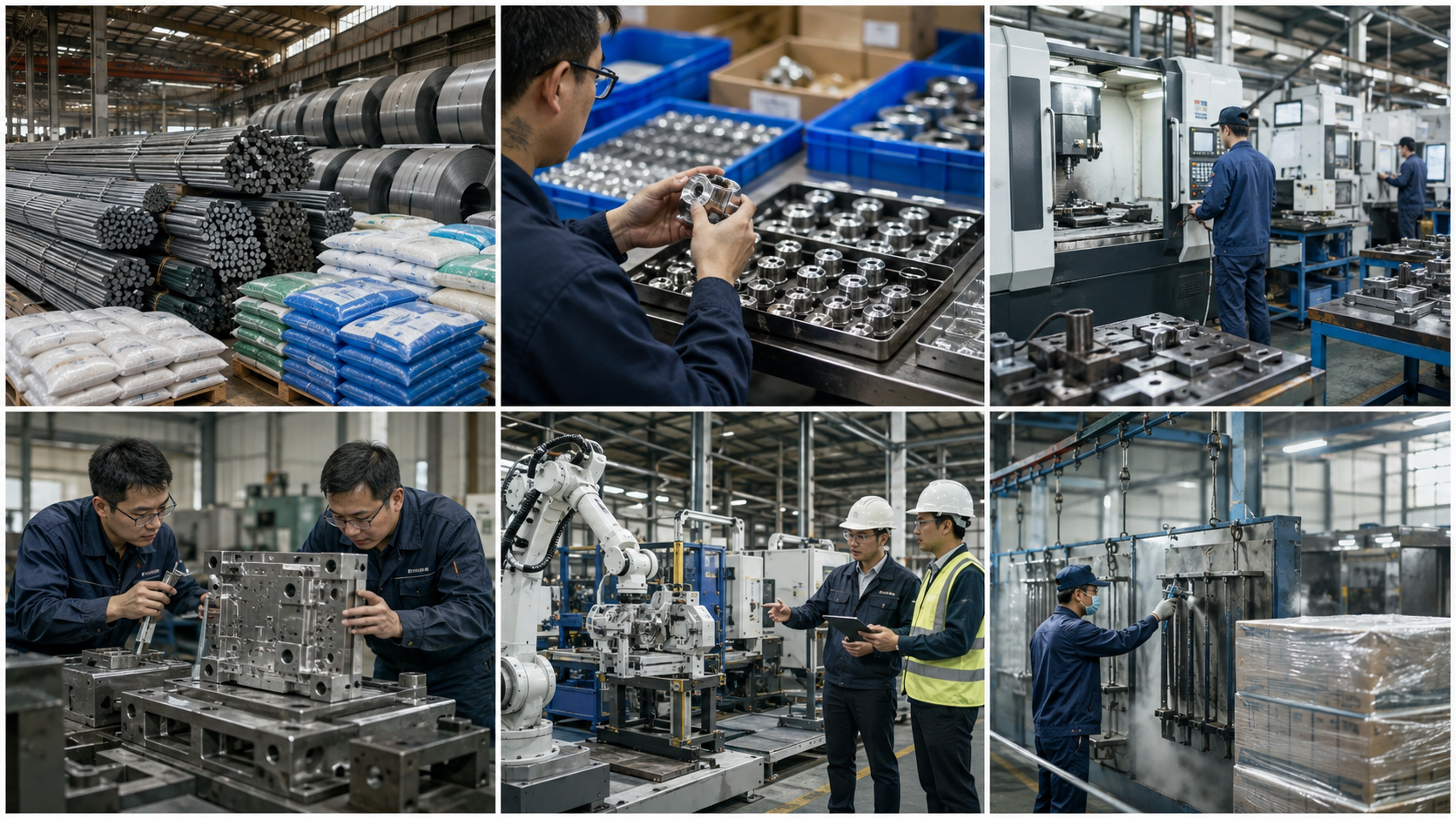
In the manufacturing industry, there are many different types of suppliers with distinct characteristics suited to the needs of each business. Below are some common types of suppliers.
3.1 Raw Material Suppliers
Raw material suppliers are responsible for supplying necessary materials such as metals, plastics, rubber, and various other industrial materials. These materials are very important and commonly used in the product manufacturing process.
The quality of raw materials will largely determine the quality of the final product. Therefore, businesses need to reasonably select raw material suppliers to ensure stable supply and quality.
3.2 Component Suppliers
Component suppliers play an important role in the manufacturing industry, providing critical components that businesses need to complete their products. These can be mechanical components, plastic components, electronic components, or precision parts.
Manufacturing businesses need to pay attention to the quality and precision of components to prevent errors in the production process. Building good relationships with component suppliers will help businesses save time and production costs.
3.3 Contract Manufacturing Suppliers
Contract manufacturing suppliers are units that carry out processing and manufacturing processes according to requirements from businesses. This helps businesses save investment costs for the production line.
Suppliers can perform various processing technologies such as CNC, turning, milling, and welding. The diversity in processing methods allows businesses to easily choose the most suitable method for their products.
3.4 Mold Suppliers
Mold suppliers play an important role in designing and manufacturing the necessary molds for the production process. They are responsible for creating molds that meet specific production requirements, thereby helping products achieve the best quality.
Molds can be plastic injection molds, stamping dies, or jigs and fixtures for assembly processes. Mold suppliers need to have experience and possess advanced technology to ensure products comply with design requirements.
3.5 Machinery and Equipment Suppliers
For production, machinery and equipment suppliers can provide businesses with the most advanced technologies to enhance production capacity, including production machines, robots, or automation equipment and testing equipment.
Choosing a good machinery and equipment supplier will help businesses save operating costs and optimize production efficiency. The development of technology also requires businesses to update to the latest equipment lines to avoid being left behind.
3.6 Industrial Service Providers
In addition to supplying products, industrial service providers also provide necessary support services to complete the production process. This includes everything from surface treatment, electrostatic painting, inspection to logistics and packaging.
Choosing quality service providers will help businesses increase product value and also build brand reputation.
4. How to Find Reputable Suppliers for Manufacturing Businesses
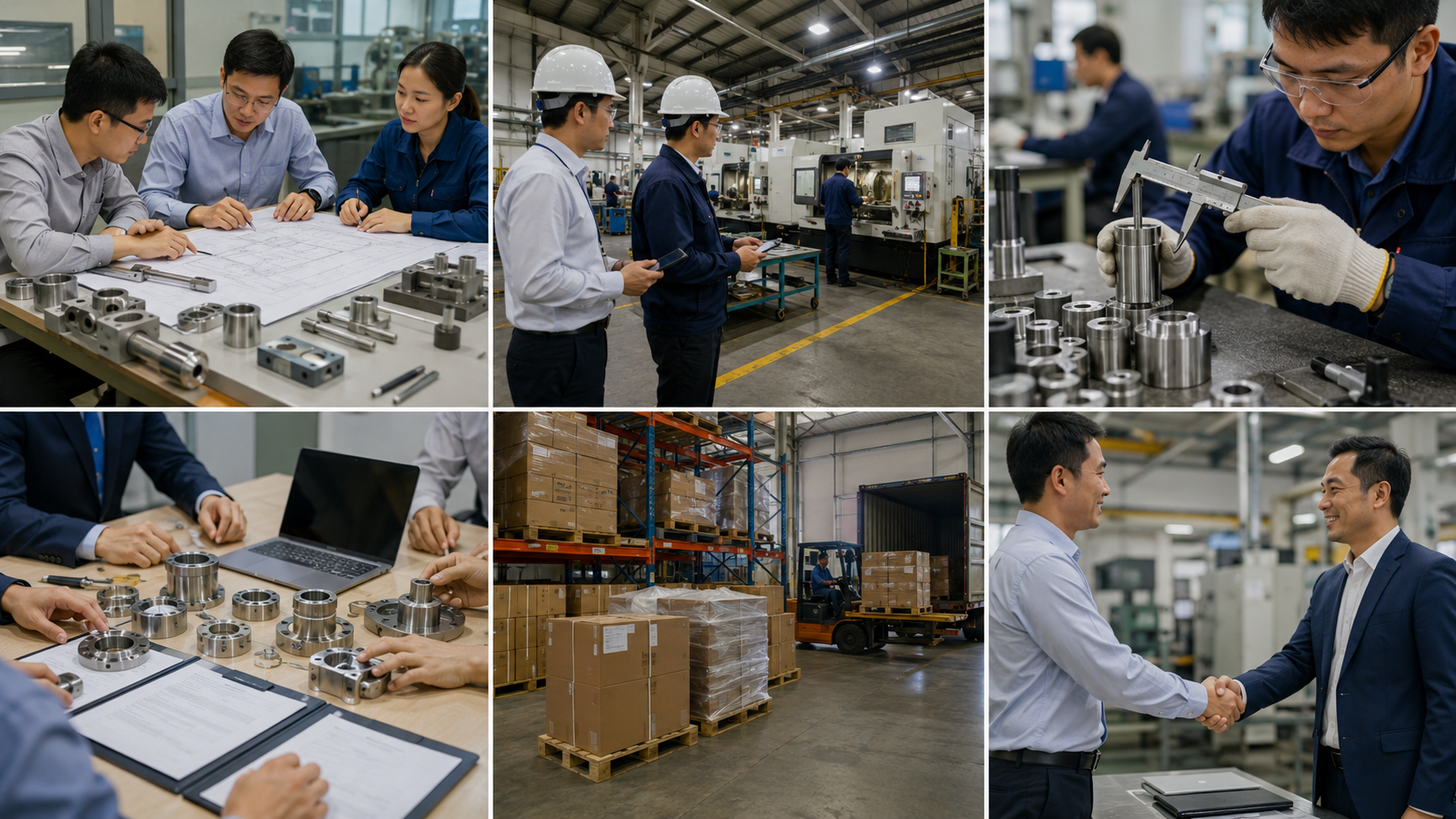
Finding suitable suppliers is not easy. However, with the following steps, businesses can find the most reputable suppliers for themselves.
4.1 Clearly Define Needs Before Finding a Supplier
Before starting to search for suppliers, businesses need to clearly define their needs. This will make the search process easier and more effective.
4.1.1 What Products Are Needed?
The first goal is to identify the specific products that the business needs from suppliers. These can be raw materials, components, or equipment. Businesses should create a detailed and clear list to facilitate supplier comparison.
Clearly defining products also helps businesses find the right supplier without spending much time researching. From there, businesses will find the best partner for themselves.
4.1.2 What Quantity?
Quantity is the second important factor in the supplier search process. Businesses need to know how many products they need to choose the most suitable suppliers.
Large quantities can enable businesses to negotiate better prices with suppliers. Conversely, if a business only needs small quantities, it needs to find suppliers capable of handling orders flexibly and efficiently.
4.1.3 What Are the Technical Standards?
Technical standards play an important role in ensuring product durability and quality. Therefore, businesses need to clearly define the technical standards that suppliers must meet.
These standards may include quality, dimensions, environmental impact, and compatibility with the business's product. This will save businesses a lot of time during the supplier profile review process.
4.1.4 Direct Manufacturer or Distributor Needed?
This question is also very important in finding suppliers. Businesses need to decide whether they want to work directly with manufacturers or through distributors.
If choosing to work directly with manufacturers, businesses can get better prices but also require better negotiation and relationship-building skills. Conversely, distributors can help businesses save time and effort.
4.2 Checking Supplier Capability Profiles
Once a list of potential suppliers has been identified, businesses need to proceed to check their capability profiles. This includes reviewing business licenses, financial reports, and quality certifications.
Suppliers with good capability profiles will make businesses feel more secure about the ability to supply goods and product quality. At the same time, this also helps businesses avoid risks when working with unreliable suppliers.
4.3 Assessing Supplier Production Capacity
During the process of checking supplier capabilities, businesses also need to assess their production capacity. This includes production scale, machinery technology, labor capacity, and production processes.
Suppliers with good production capacity will ensure quality, quantity of goods, and delivery time. This is also what motivates businesses to cooperate long-term with suppliers.
4.4 Comparing Multiple Suppliers
To find the best supplier, businesses should compare multiple different suppliers. This needs to be evaluated based on various criteria such as price, product quality, delivery time, and support services.
Businesses can create a detailed comparison table, making it easy to make a final decision. However, price is not the only factor to consider; quality also needs to be a top priority.
4.5 Finding Suppliers Through Appropriate Channels
Finally, businesses can search for suppliers through appropriate channels such as industrial exhibitions, B2B forums, or e-commerce websites.
These channels typically focus on connecting businesses with each other and increasing cooperation opportunities. Businesses can also use social media platforms to find reputable suppliers.
5. NC Network Vietnam – Supplier Sourcing Solution for Manufacturing Businesses
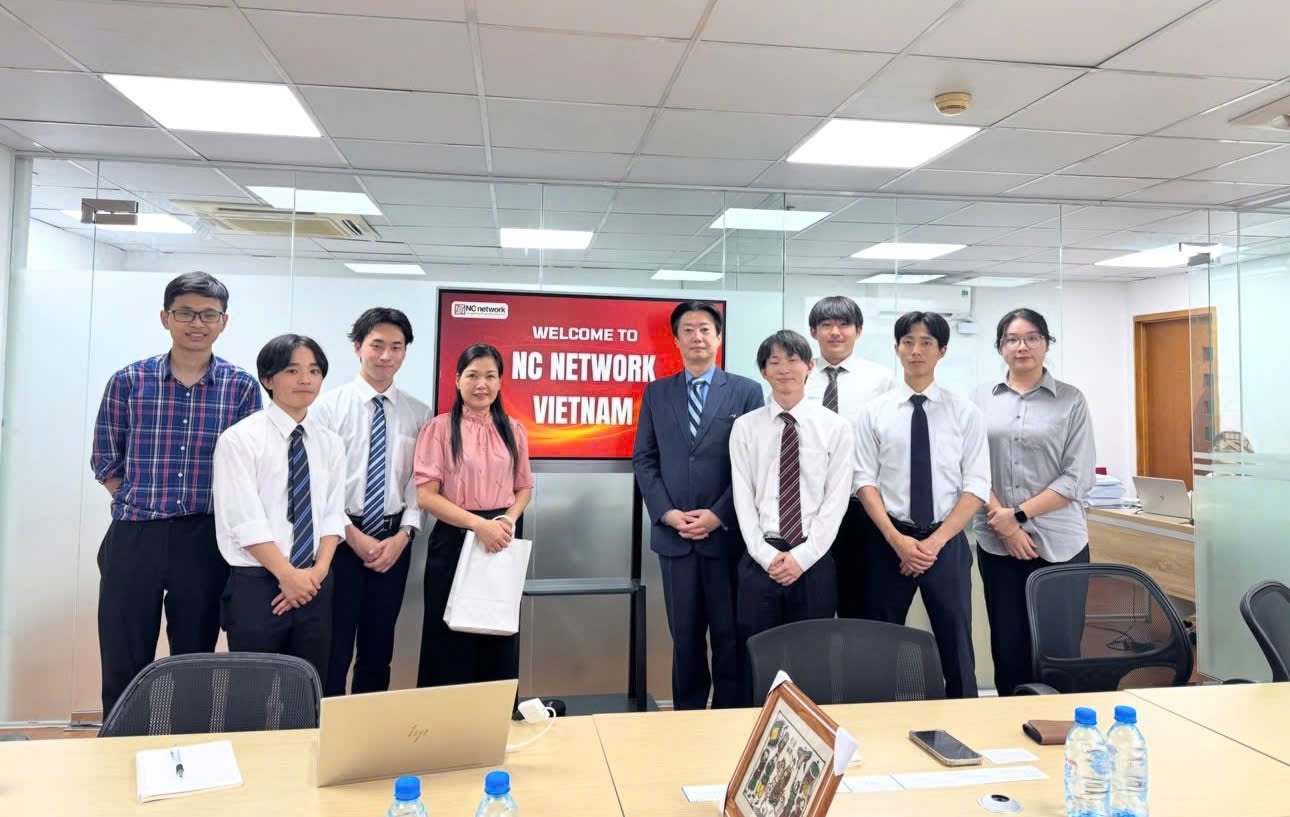
NC Network Vietnam is a useful solution that helps businesses connect with suppliers in the manufacturing sector. This is a focused B2B platform that creates connections between brands and suppliers in the industrial and manufacturing sector.
With many years of experience in business networking, NC Network Vietnam provides fast and convenient supplier search services. In addition, this ecosystem also supports businesses in building partnerships through projects and trade programs.
Businesses in the manufacturing industry often face many difficulties in finding suitable suppliers, so NC Network will be an effective bridge, while increasing opportunities for businesses.
5.1 Which businesses is NC Network Vietnam suitable for?
5.1.1 Mechanical Manufacturing
For businesses operating in the mechanical manufacturing sector, NC Network Vietnam provides a list of professional suppliers, ready to quickly meet the needs of businesses.
5.1.2 Metal Processing
Metal processing businesses can seek partners that provide technology and equipment for the production process, thereby increasing efficiency and product quality.
5.1.3 Molds
NC Network Vietnam also specializes in connecting mold suppliers, helping businesses develop products quickly and achieve optimal quality.
5.1.4 Industrial Plastics
In the industrial plastics industry, the networking platform will help businesses find plastic raw material and processing equipment suppliers efficiently and with quality.
5.1.5 Electronics
For the electronics sector, NC Network can help businesses easily find component and equipment suppliers with stronger capabilities.
5.1.6 Automation
The automation industry is developing rapidly, and NC Network helps businesses connect with the most advanced technology suppliers.
5.1.7 OEM/ODM
Businesses operating under the OEM/ODM model will find many capable suppliers through this networking ecosystem.
5.1.8 Supporting Industries
Finally, NC Network will provide supporting industrial businesses with the opportunity to find many suppliers, from raw materials to production support services.
5.2 Benefits of NC Network for Businesses
5.2.1 Find Suppliers by Industry, Product, and Capability
Products and services can be searched by industry, making it easy for businesses to access suppliers that match specific needs.
5.2.2 Connect with Suitable Industrial Suppliers
Properly searching for suppliers through NC Network helps businesses effectively connect with sustainable and reliable partners.
5.2.3 Create Business Profile
Businesses can create their profile on NC Network, increasing visibility to suppliers and buyers, thereby promoting development.
5.2.4 Participate in Business Matching and 1:1 Trade Connections
Businesses can participate in business matching activities and 1:1 trade connections to create more cooperation opportunities in the future.
5.2.5 Connect with Vietnamese, Japanese, FDI Businesses, and International Partners
The NC Network ecosystem also opens up many opportunities to connect with international businesses, thereby creating reliable and sustainable cooperative relationships.
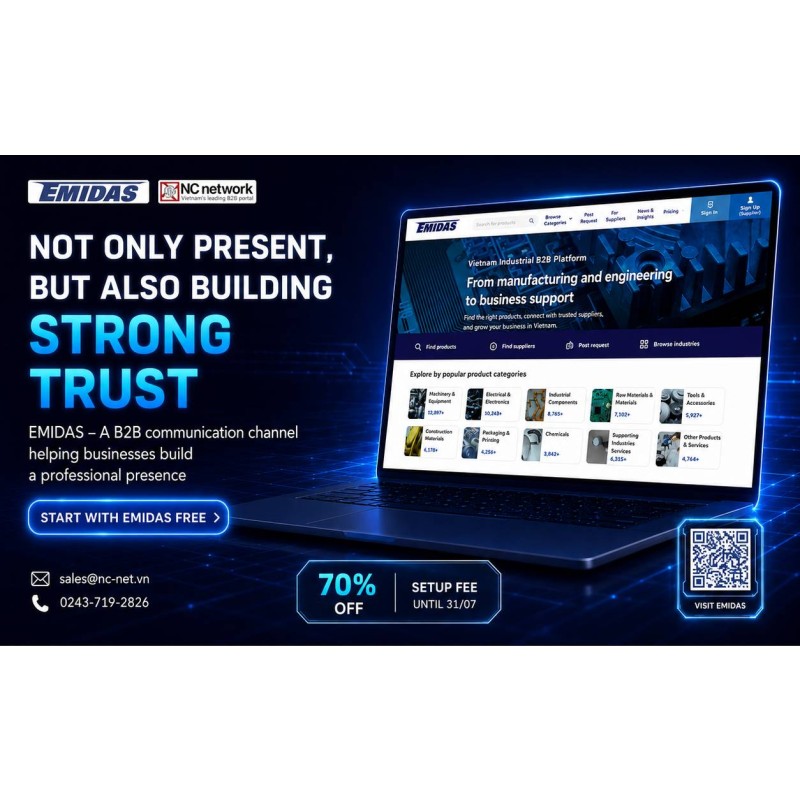
=> Refer to detailed information and register for free at: EMIDAS – Industrial B2B Platform Helping Manufacturing Businesses Establish a Professional Presence
6. Conclusion
Suppliers play a decisive role in the operation and success of a manufacturing business. Choosing the right suppliers not only helps ensure product quality but also enhances competitiveness and optimizes costs. To achieve this, businesses need to clearly define needs, check supplier capabilities, and select meticulously. Through networking ecosystems like NC Network Vietnam, businesses can find suitable suppliers for sustainable development in the future.
Company Information
Main 3 Products
FBC Asean / Emidas - B2B platform / Emidas Magazine
Phone Number
Homepage URL
NC Network Vietnam: A Sustainable Business Bridge Between Japanese and Vietnamese Enterprises ■ Introduction: Founded in 2010, NC Network Vietnam is a part of NC Network Group, a corporation specializ ...
CONTACT
Contact