
NC Network Vietnam JSC
PRODUCT
Production Goods
How to Find and Evaluate Reputable Industrial Suppliers

Suppliers play a crucial role in the manufacturing and trade industries. When a business can find and evaluate reputable suppliers, this not only helps them maintain product quality but also optimizes costs and ensures production schedules. The article below will outline the most effective way to find and evaluate industrial suppliers!
1. Overview of Industrial Suppliers

In the context of the modern economy, a clear understanding of industrial suppliers is extremely important. More than just raw material providers, suppliers significantly influence a business's development and sustainability.
1.1 What is an industrial supplier?
Industrial suppliers are organizations or companies that provide raw materials, components, or products to manufacturing businesses. They act as a link between manufacturers and the necessary raw materials to create final products. Depending on the industry, suppliers can offer various types of products and services.
1.2 Role of industrial suppliers
Industrial suppliers are not just sources of raw materials but also play an extremely important role in a business's supply chain. Here are some of their prominent roles:
1.2.1 Ensuring supply of goods
One of the main tasks of suppliers is to ensure a timely and stable supply of goods for businesses. They help businesses avoid raw material shortages or production disruptions, which could affect delivery schedules for customers.
1.2.2 Stabilizing input quality
Industrial suppliers must not only provide raw materials but also ensure their quality. Good input quality determines the quality of the final product manufactured by the business. This is extremely important for maintaining the business's reputation and brand.
1.2.3 Supporting businesses in maintaining production schedules
Suppliers help businesses organize production more efficiently by providing goods on time and in sufficient quantities. This also helps create balance in the production process, avoiding inventory buildup or raw material shortages.
1.2.4 Optimizing supply chain costs.
In addition to providing products, suppliers also help businesses optimize costs through reasonable price negotiation and efficient logistics services. This will help businesses save costs and increase competitiveness in the market.
2. 6 Common Supplier Groups in the Manufacturing Industry
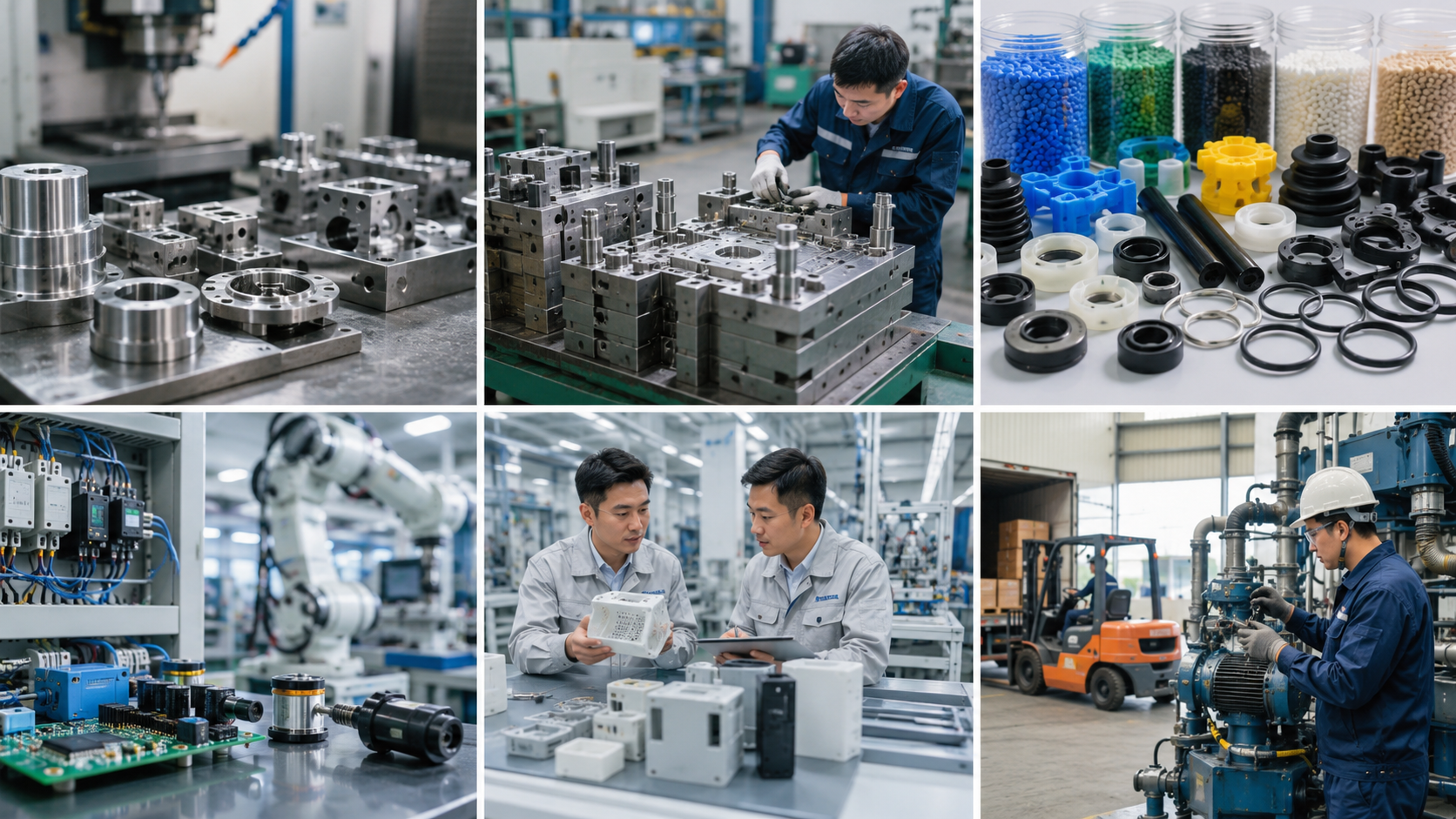
Each manufacturing industry will have specific requirements for suppliers. Below are some common supplier groups that businesses frequently work with.
2.1 Mechanical manufacturing suppliers
Mechanical manufacturing suppliers specialize in providing mechanical components and equipment for manufacturing industries. They supply not only raw materials but also the necessary machinery for production. Notably, these suppliers also need to ensure product quality and on-time delivery.
2.2 Mold suppliers
Mold suppliers provide the necessary tools for manufacturing industrial products. They play a very important role in product shaping and need to ensure the precision and durability of the molds supplied.
2.3 Plastic, rubber, industrial material suppliers
Suppliers in the plastic and rubber sector provide essential materials for manufacturing various consumer and industrial products. They typically have strict quality control processes to ensure materials meet standards.
2.4 Electronics, automation suppliers
Suppliers in the electronics and automation sector provide electronic components and automation equipment for high-tech manufacturing industries. They need to be able to respond quickly and flexibly to changes in market demand.
2.5 OEM/ODM suppliers
OEM (Original Equipment Manufacturer) and ODM (Original Design Manufacturer) suppliers provide products according to a business's design or requirements. They often participate in the product manufacturing and design process, helping businesses optimize their production processes.
2.6 Industrial service providers
In addition to supplying raw materials, there are also industrial service providers such as transportation, maintenance, and equipment repair. They help businesses ensure continuous and efficient production operations.
3. Why Businesses Need to Choose the Right Supplier?
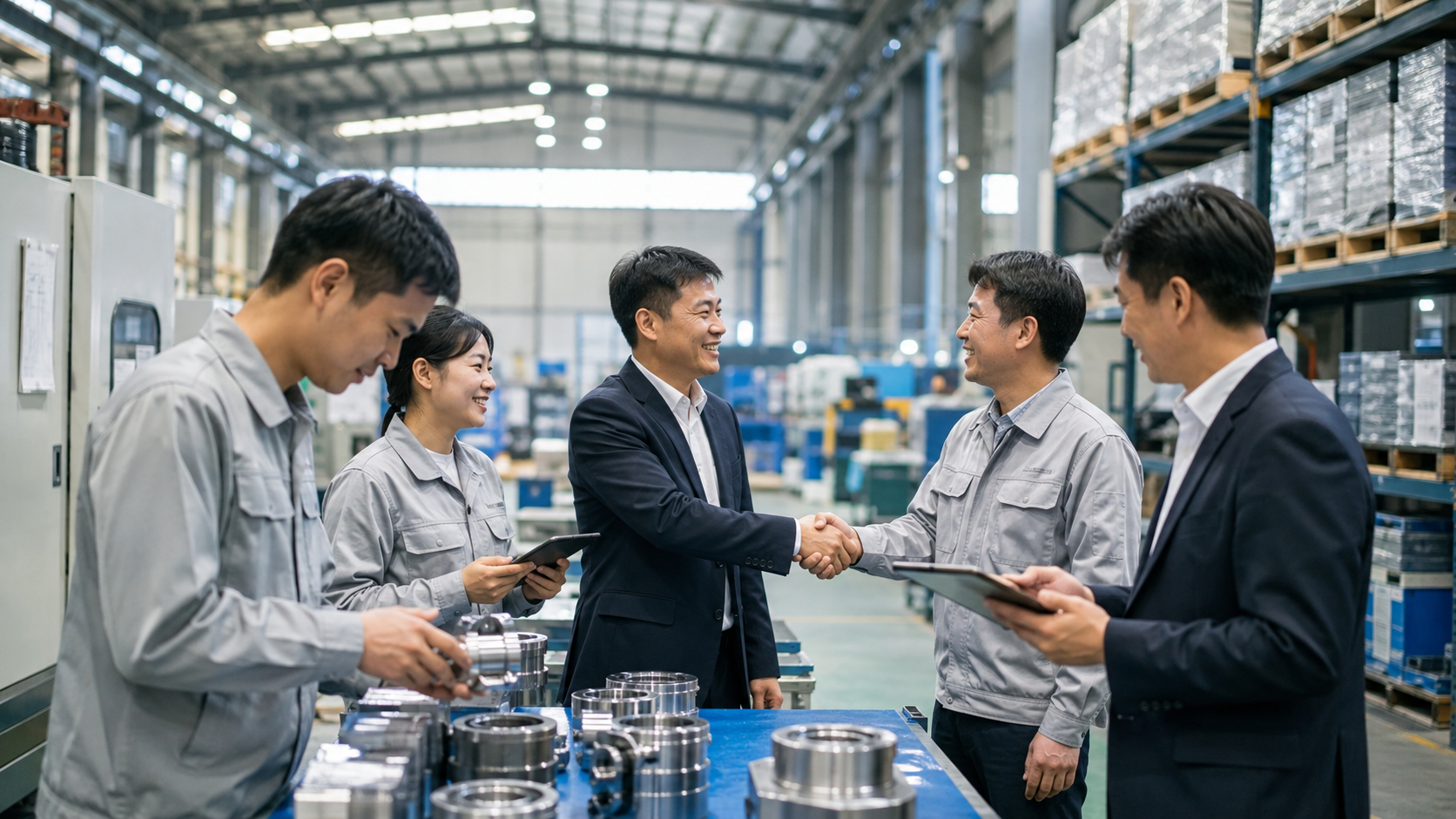
Choosing the right industrial supplier not only affects production operations but also impacts a business's reputation and profitability. Below are the consequences and benefits when a business selects a suitable supplier.
3.1 Consequences of choosing the wrong supplier
Choosing the wrong supplier can lead to many serious consequences such as:
3.1.1 Production delays
Production delays often lead to failure to meet customer requirements and cause financial losses for the business. If the supplier fails to ensure timely delivery, the business will be severely impacted.
3.1.2 Product quality defects
If the supplier does not ensure product quality, the business will face defective products, leading to customer dissatisfaction. The consequence could be product recalls, damaging the brand's reputation.
3.1.3 Increased costs for inspection, defect correction, and returns
When product quality does not meet requirements, businesses will incur additional costs for inspection, defect correction, and product returns. This is not only expensive but also consumes the business's time and resources.
3.1.4 Loss of reputation with end customers
Customers will lose trust in a business's products if they are not delivered on time and product quality is inconsistent. This loss of reputation can have a long-term impact on the business's brand.
3.1.5 Supply chain disruption
When a supplier cannot deliver goods on time, it will cause a supply chain disruption. The consequence is that the business will be unable to produce and distribute goods to customers on schedule.
3.2 Benefits of choosing the right supplier
Conversely, if a business chooses the right supplier, it will bring significant benefits:
3.2.1 Stable supply of goods
A reputable supplier will help businesses stabilize their supply of goods for production. As a result, businesses can be confident about delivery times and production.
3.2.2 Better quality control
Working with a reliable supplier helps businesses better control product quality. They consistently adhere to product quality regulations and standards.
3.2.3 Increased capacity to fulfill large orders.
With a stable supplier, businesses can confidently expand production scale and fulfill large customer orders without worrying about raw material shortages.
3.2.4 Long-term cost optimization
Quality suppliers often offer competitive prices, while also helping businesses save on goods costs in the long run. This will support businesses in increasing profitability.
3.2.5 Building sustainable cooperative relationships
Maintaining good cooperative relationships with suppliers will also open up opportunities for larger projects in the future. Mutual understanding and trust between both parties will foster sustainable relationships.
4. Criteria for Evaluating Reputable Industrial Suppliers
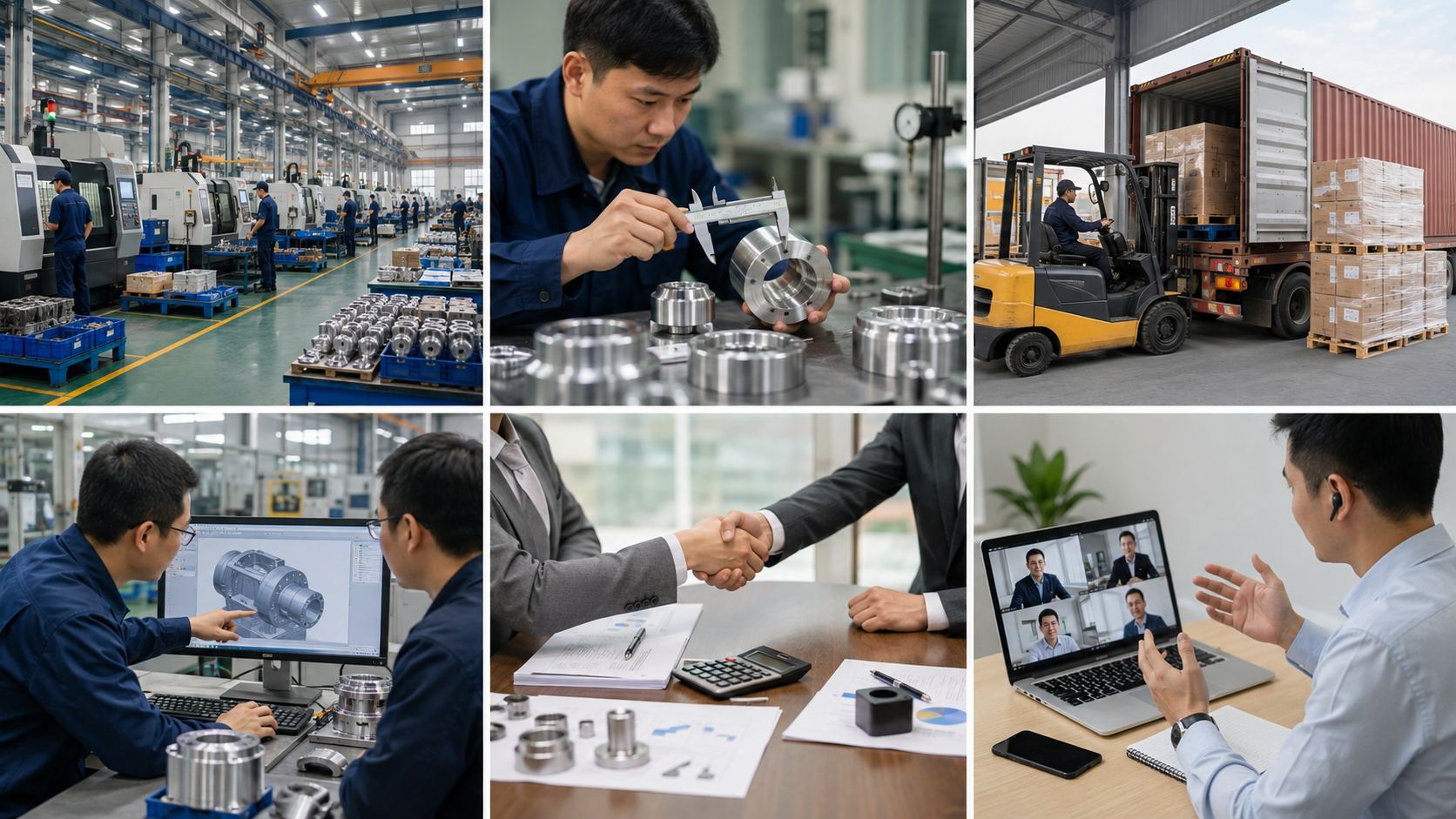
The criteria for evaluating reputable industrial suppliers are diverse and extensive. Businesses need to consider various factors to choose the right supplier.
4.1 Production capacity
Production capacity is the first factor to consider. Businesses need to evaluate the supplier's production capability to ensure they can supply sufficient raw materials and products as required. This includes production scale, the technology used by the supplier, and their workforce.
4.2 Product quality
Product quality is an extremely important factor in selecting a supplier. Businesses need to thoroughly check the quality standards of the products supplied by the vendor to avoid future issues. It would be better if the supplier has quality certifications from reputable organizations.
4.3 Delivery capability
The ability to deliver on time and consistently is one of the main factors in evaluating a supplier's reliability. Businesses need to understand the supplier's delivery history to ensure they can meet required delivery times.
4.4 Technical capability
The technical capability of the supplier also plays an important role in the cooperation process. If a supplier has a strong technical foundation, they will be better able to meet innovation requirements in products and production processes.
4.5 Price and commercial terms
Price is always a key factor in evaluating suppliers. However, one should not simply look for the lowest price but also consider commercial terms, such as payment terms, after-sales support, etc., to gain a comprehensive view of the overall benefits.
4.6 Communication and responsiveness
The supplier's communication and responsiveness also need to be considered. A good supplier will be able to listen and quickly respond to business requirements. Good communication will help the cooperation process run more smoothly and efficiently.
5. Supplier Selection and Engagement Process
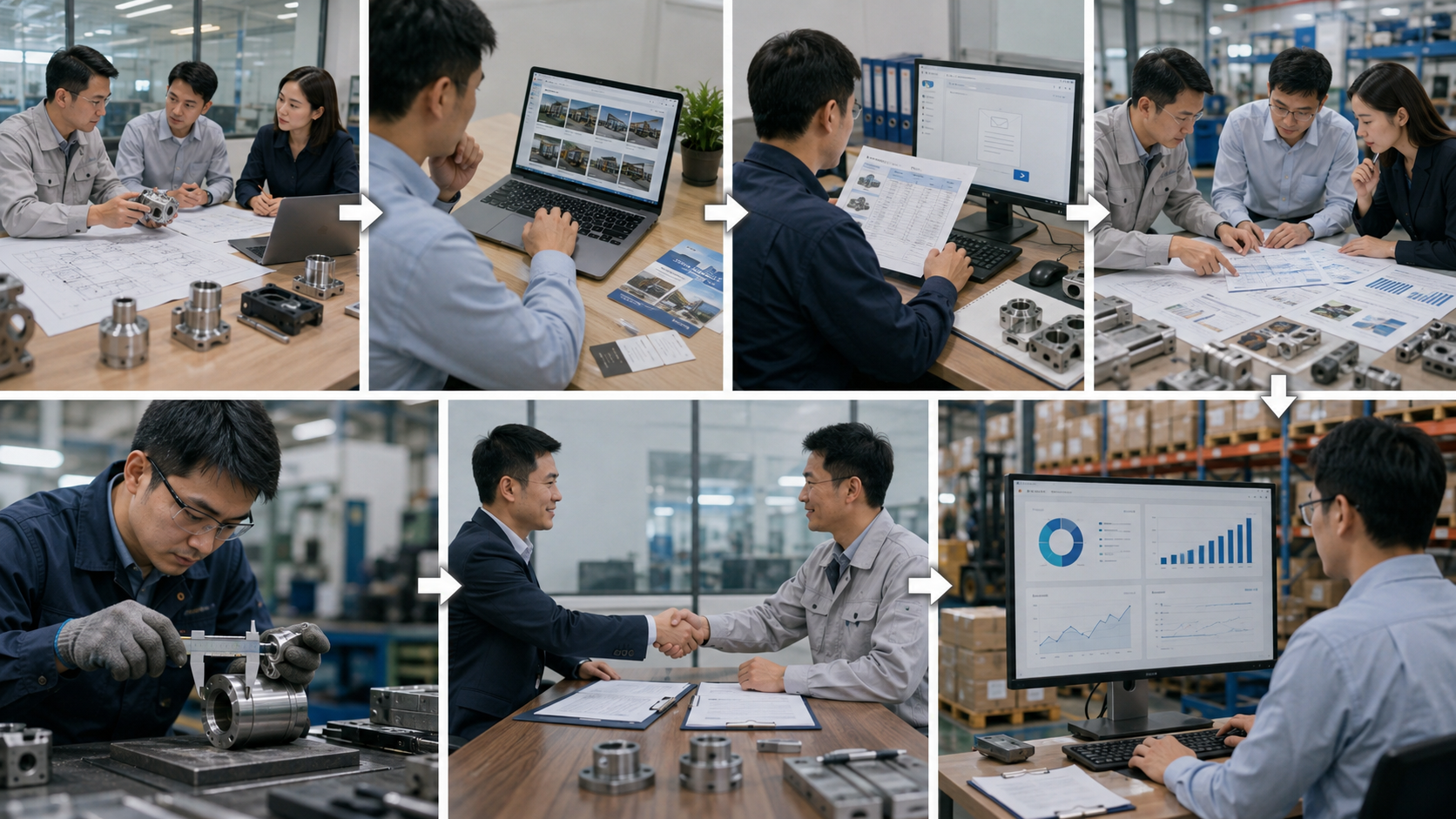
Supplier selection is an essential process to ensure businesses find suitable partners. Below is a detailed process from identifying needs to monitoring supplier performance.
5.1 Step 1: Identify purchasing needs
First, businesses need to accurately identify their purchasing needs. This includes determining the product type, required quantity, and delivery time. Once there is a clear understanding of the needs, selecting a supplier will become easier.
5.2 Step 2: Create a list of potential suppliers
After identifying needs, businesses need to create a list of potential suppliers who can meet the requirements. Information about suppliers can be found through the internet, industrial exhibitions, or conferences.
5.3 Step 3: Send Request for Quotation/RFQ
Businesses then send a Request For Quotation (RFQ) to the suppliers on the list. Through this, businesses can receive information about pricing, delivery terms, and other factors. Attention should be paid to clarity and detail in the submitted request.
5.4 Step 4: Compare quotations and capabilities
After receiving quotations from suppliers, businesses need to compare them to find the most suitable price. Additionally, the capabilities of each supplier should be considered to ensure they can fulfill the order.
5.5 Step 5: Sample inspection or trial order
Before officially collaborating, businesses should request product samples or place a trial order to evaluate product quality. This will help businesses gain a clearer understanding of the supplier's actual quality.
5.6 Step 6: Contract negotiation
After evaluation and selection, businesses need to negotiate contract terms with the supplier. Clarity should be established regarding pricing, delivery, product quality, and after-sales support to avoid future disputes.
5.7 Step 7: Monitor supplier performance
After signing the contract, businesses need to monitor the supplier's performance to ensure they fulfill their commitments. Continuous evaluation will help businesses promptly detect emerging issues and take quick corrective actions.
6. How to Find Suitable Suppliers
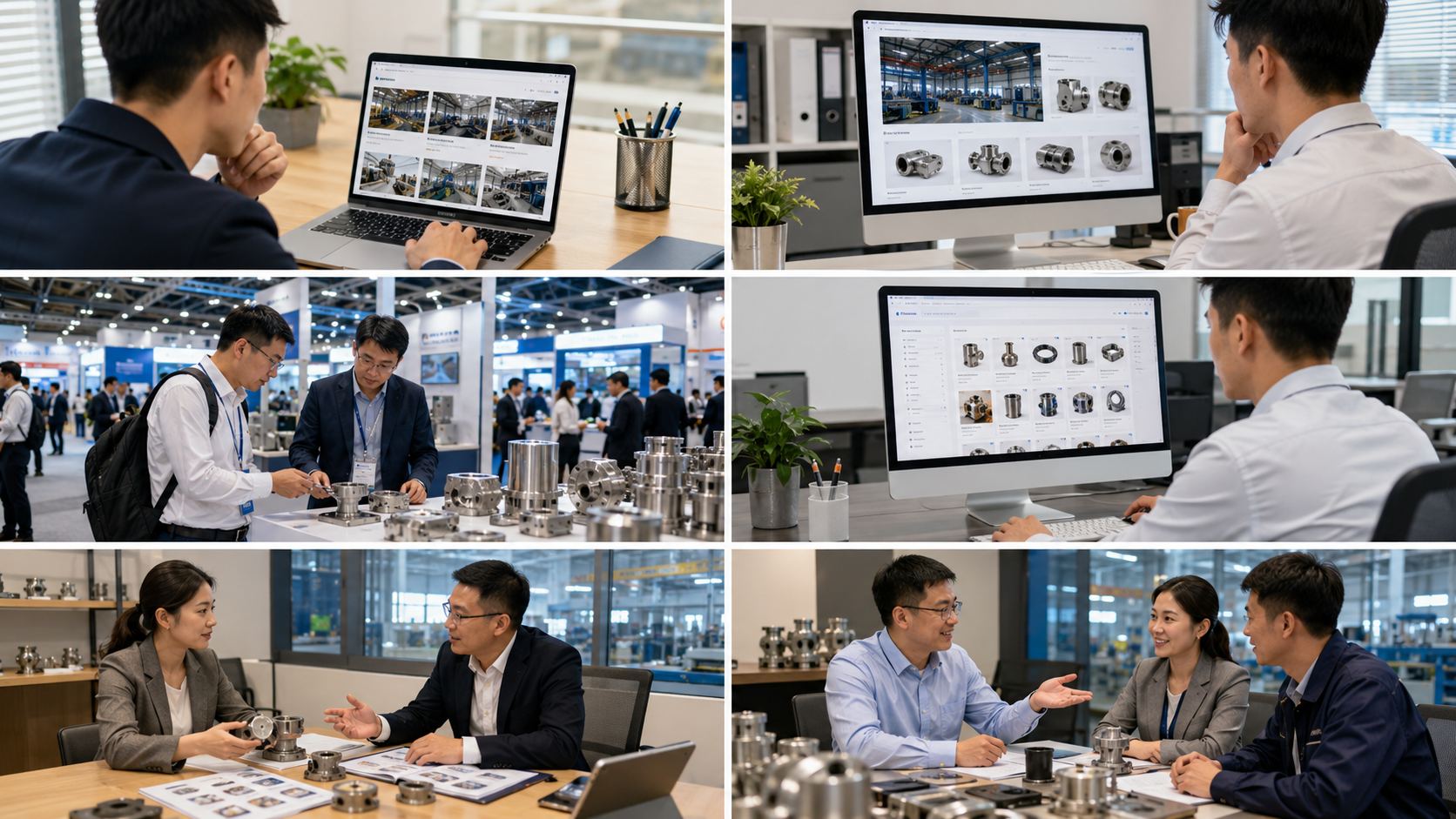
Finding suitable suppliers can be a significant challenge for many businesses. Below are some methods businesses can apply to effectively search for suppliers.
6.1 Search via Google
The Google search engine is a rich resource for finding suppliers. Simply type keywords related to the type of product your business is looking for, and you can find a long list of suppliers in that field.
6.2 Search via company websites
Most suppliers today have websites to promote their products and services. Businesses should refer to the information on these websites to evaluate the supplier's capabilities and service quality.
6.3 Search via industrial exhibitions
Industrial exhibitions are excellent places to connect with suppliers. This is an opportunity for businesses to meet directly, exchange information, and evaluate supplier products.
6.4 Search via B2B platforms
B2B platforms like Alibaba, Made-in-China, etc., are places that connect businesses with each other. Businesses can register an account and search for suppliers that match their needs.
6.5 Search via business matching
Business matching is a form of connection between businesses, helping to find suitable partners for specific needs. Businesses can participate in business matching events to meet and interact with suppliers.
6.6 Search via NC Network Vietnam
NC Network Vietnam is an ecosystem connecting suppliers and businesses in Vietnam. This ecosystem provides standardized information and resources for businesses to find the most suitable suppliers for their needs.
7. NC Network Vietnam – Connecting Suitable Suppliers for Manufacturing Businesses
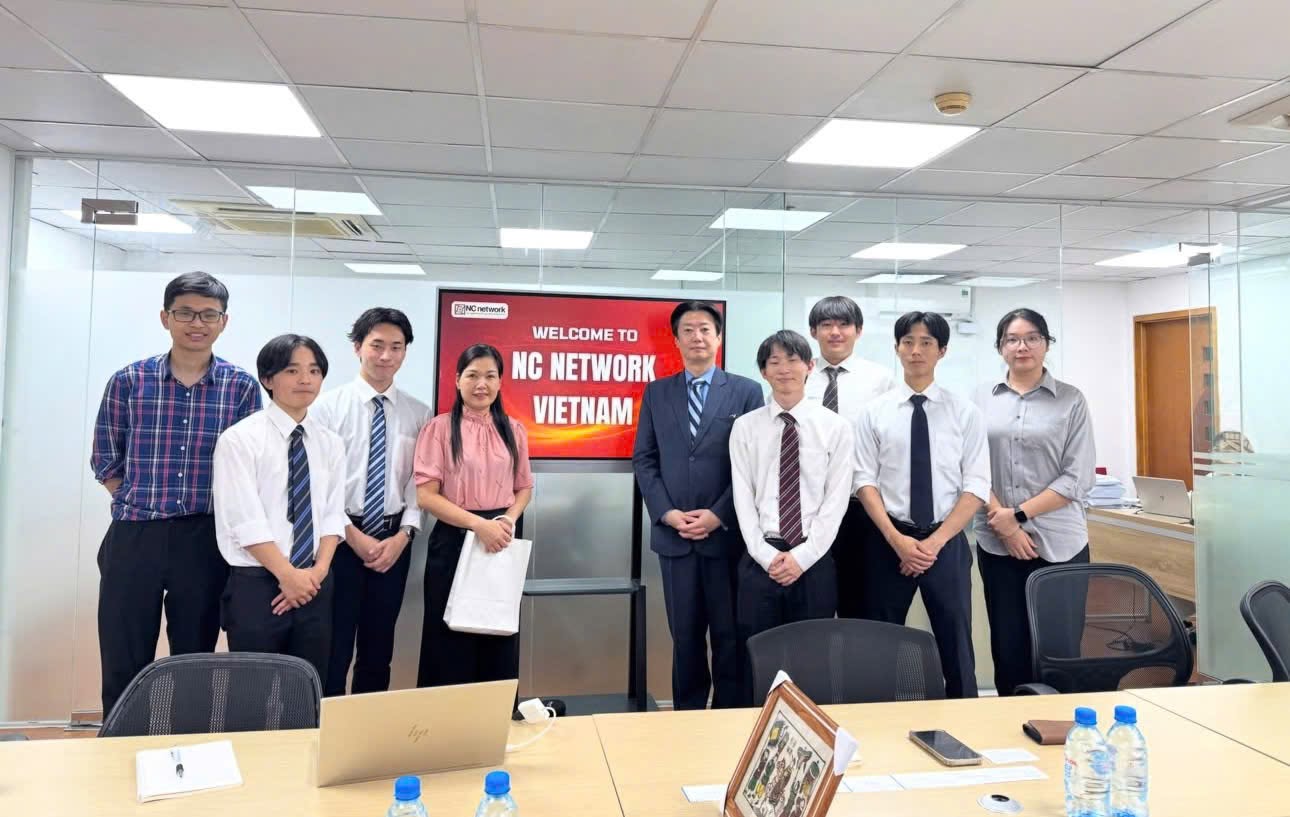
NC Network Vietnam offers businesses an effective supplier connection solution, helping them optimize the process of finding and collaborating with partners. Through this ecosystem, businesses can find suitable partners to meet their sourcing requirements. NC Network Vietnam has created a large community, connecting buyers and suppliers in the manufacturing industry.
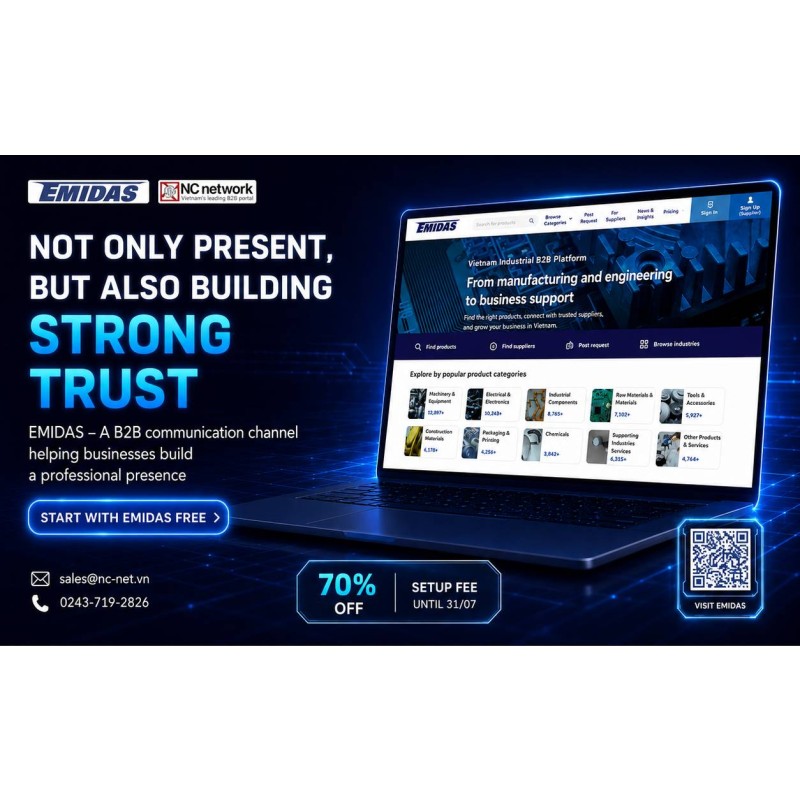
7.1 Emidas - A B2B connection platform helping manufacturing businesses establish a professional presence
The Emidas ecosystem provides numerous solutions for businesses to easily find suitable industrial suppliers. From connecting with suppliers to creating business profiles, all contribute to increasing the chances of finding desired partners.
7.1.1 Finding suitable industrial suppliers
Through the intelligent search system, businesses can filter suppliers based on essential factors such as industry, products, and capabilities. This saves time and effort for businesses during the search process.
7.1.2 Connecting with suppliers by industry, product, and capability
NC Network's system allows businesses to easily connect with suppliers by industry, helping to find the most suitable partners to quickly meet production needs.
7.1.3 Create a business profile to increase opportunities
Businesses can create a profile on NC Network to enhance their visibility to potential suppliers or buyers. This not only helps increase presence but also opens up many collaboration opportunities.
7.1.4 Participate in business matching and 1:1 meetings
NC Network also organizes business matching events, where businesses can meet directly with suppliers, exchange information, and establish effective cooperative relationships.
7.1.5 Connect with Vietnamese, Japanese, FDI businesses, and international partners
Through NC Network, businesses can not only connect with domestic suppliers but also expand into international markets such as Japan and FDI companies, creating broader cooperation opportunities.
=> Refer to detailed information and register for free at: EMIDAS – The Industrial B2B Platform Helping Manufacturing Businesses Establish a Professional Presence
7.2 Benefits of connecting through NC Network Vietnam
Collaborating with NC Network Vietnam will help businesses save time and resources in finding suitable suppliers.
7.2.1 Reduced supplier search time
With an intelligent search and connection system, businesses can easily find necessary suppliers in a short amount of time, instead of spending a lot of time on manual searches.
7.2.2 Mitigating risks of choosing the wrong supplier
By providing complete and transparent information about suppliers, NC Network helps businesses avoid wrong choices, minimizing risks during cooperation.
7.2.3 Improved quality of B2B meetings
NC Network provides a platform for businesses to easily arrange meetings with suppliers, thereby enhancing the effectiveness of B2B meetings and creating better business opportunities.
7.2.4 Suitable for sourcing needs in the manufacturing industry
NC Network is a suitable solution for manufacturing businesses, facilitating the search and connection with capable and reliable suppliers.
8. Conclusion
Finding and evaluating reputable industrial suppliers is a crucial part of a business's supply chain. From understanding suppliers and identifying the specific characteristics of each sector, to choosing the right supplier to ensure production efficiency. Implementing a careful evaluation process helps businesses optimize resources and enhance product quality. Always remember that a business's long-term success largely depends on its relationships with suppliers.
Company Information
Main 3 Products
FBC Asean / Emidas - B2B platform / Emidas Magazine
Phone Number
Homepage URL
NC Network Vietnam: A Sustainable Business Bridge Between Japanese and Vietnamese Enterprises ■ Introduction: Founded in 2010, NC Network Vietnam is a part of NC Network Group, a corporation specializ ...
CONTACT
Contact