
NC Network Vietnam JSC
PRODUCT
Production Goods
What is B2B? Popular B2B Business Models

The B2B Model is one of the important business models in the modern economy, where businesses exchange goods and services directly with each other. In this article, we will delve into what the B2B model is, its outstanding characteristics, as well as its advantages and limitations!
1. Overview of the B2B Model

1.1 What is the B2B model?
The B2B (Business to Business) model is a business model in which product sales, service provision, or commercial cooperation activities take place between businesses, rather than between businesses and individual consumers, as in the B2C (Business to Consumer) model.
In the B2B model, the buyer and seller can be manufacturers, suppliers, distribution companies, trading companies, or service providers. Compared to B2C transactions, B2B transactions typically have higher value and require businesses to carefully consider many factors such as product quality, supply capacity, technical specifications, price, delivery time, and cooperation terms.
The B2B model is widely applied in many fields such as manufacturing, mechanical engineering, processing, electronic components, raw materials, distribution, technology, and business services. In the context of an expanding supply chain and businesses promoting domestic and international cooperation, B2B activities are increasingly playing an important role in finding buyers, suppliers, and developing long-term business relationships.
For example, a mechanical engineering company manufactures components and supplies those components to a machinery manufacturing plant. Since both the supplier and the buyer are businesses, this is considered a B2B transaction.
1.2 Examples of the B2B model
To better understand the B2B model, let's look at some specific examples. These examples are fundamental to visualizing how the B2B model operates.
1.2.1 Mechanical engineering company supplying components to machinery manufacturing plants
A mechanical engineering company specializing in manufacturing equipment components and accessories for agricultural machinery will supply these products to a large equipment manufacturing plant. Both parties will engage in negotiations regarding price, delivery time, and quality requirements to ensure the contract is executed on schedule.
In this case, the mechanical engineering company needs to have strong production capacity and stable supply capability to maintain a long-term cooperative relationship with the machinery manufacturer. For the plant, they may depend on specific types of components to ensure their products always meet the highest standards.
1.2.2 Plastic company supplying components to electronics companies
A company specializing in manufacturing plastic products can also be a typical example of the B2B model. They produce plastic components for an electronics company that needs these parts for its products. This cooperation can create benefits for both parties as the plastic company can leverage the electronics company's technology to improve the quality of its products.
B2B cooperation is not only demonstrated through product supply but also through building good relationships between the two parties. The plastic company can learn more from the electronics company about production processes, quality management, and product marketing.
1.2.3 OEM company manufacturing products on demand for other brands
When an OEM (Original Equipment Manufacturer) company receives an order from a large brand to manufacture products according to that brand's specific design, it is another typical example of the B2B model. The OEM company does not publish its own brand but only manufactures and supplies products for the ordering brand.
This creates a favorable environment for many small businesses capable of producing high-quality products without spending too much on advertising or marketing. They can maintain stable operations by manufacturing to order without having to directly participate in the consumer market.
2. Characteristics of the B2B Business Model
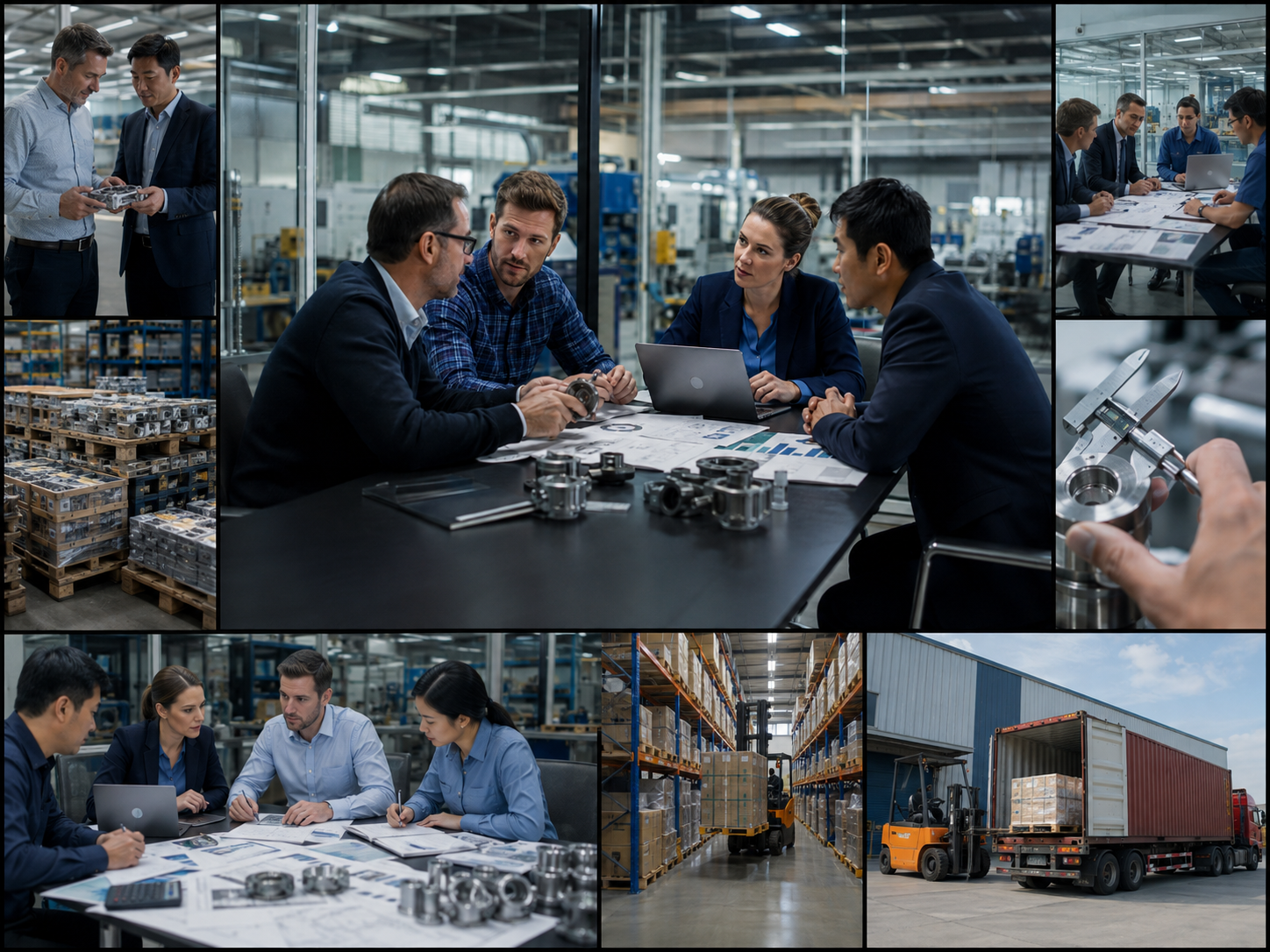
The B2B model is not merely about trade between businesses but also possesses distinct characteristics, reflecting how industries operate in this sector.
2.1 Customers are businesses, not individuals
This means that all sales activities in the B2B model take place between businesses, not between businesses and individuals. When customers are businesses, the decision-making process is often more complex due to the involvement of multiple departments and individuals.
For B2B, cooperative relationships and interactions between parties are often much more important than in B2C. Businesses need to understand each other's needs, thereby developing products and services best suited to their target markets.
2.2 Order value is often larger than B2C
In the B2B model, the order value is often much higher than in B2C. This is because transactions typically involve large quantities of goods or services supplied to various partners. This difference is not only based on consumption levels but also because businesses often have large and continuous purchasing needs.
However, this also means that competition in the B2B model can become more intense. Businesses need to demonstrate their existence and effectiveness through large orders if they want to succeed in this market.
2.3 Longer sales cycle
One of the prominent characteristics of the B2B model is that the sales cycle is often much longer than in B2C. Because customers are businesses, purchasing decisions often do not depend solely on one individual but involve many different departments, which can lead to a time-consuming decision-making process.
This process can include creating proposals, negotiating prices, discussing contract terms, and many other exchange steps before a transaction can be concluded. This requires businesses to be well-prepared in terms of resources, time, and the ability to withstand unstable factors during this process.
2.4 Purchasing decisions often involve multiple departments
In B2B, the purchasing decision process does not simply originate from an individual but often involves multiple departments within the same company. These departments typically include:
2.4.1 Purchasing department
This is the main department responsible for sourcing and ordering necessary products and services for the company's business operations.
2.4.2 Technical department
This department will review the feasibility of the products or services offered, ensuring that they meet the company's technical requirements.
2.4.3 Board of Directors
The Board of Directors usually makes the final decisions, as they need to ensure that the deal brings significant financial benefits and aligns with the company's long-term development strategy.
2.4.4 Finance department
The finance department also plays a crucial role in the purchasing decision process, ensuring budget feasibility and a reasonable cost-benefit relationship for the investment.
2.5 Selling businesses need to demonstrate
When participating in the B2B model, selling businesses need to demonstrate several important factors before officially signing a contract. These factors include:
2.5.1 Production capacity
Businesses need to demonstrate that they have the capacity to produce sufficient quantities of goods within the agreed timeframe. This extends beyond just production capacity to include issues related to production processes and internal organization within the business.
2.5.2 Product quality
Products must meet the quality standards required by the customer. Businesses need to prepare documents and papers demonstrating the quality control processes they are implementing. This will help businesses build trust and credibility with customers.
2.5.3 Delivery schedule
The ability to meet delivery schedules is a vital factor in B2B. Businesses need to establish an efficient logistics system to ensure goods are always delivered within the agreed timeframe, avoiding disruptions to the partner's production.
2.5.4 Certifications, standards
Especially in certain fields such as food, chemicals, or pharmaceuticals, businesses must possess legal operating certificates and licenses, proving that their products are not only quality but also safe for use.
2.6 Stable supply capability
Another equally important factor in the B2B model is stable supply capability. Both parties often wish to establish a long-term relationship, so businesses need to have specific strategies and plans to ensure that products will be supplied continuously and stably in the future.
3. Popular B2B Models Today
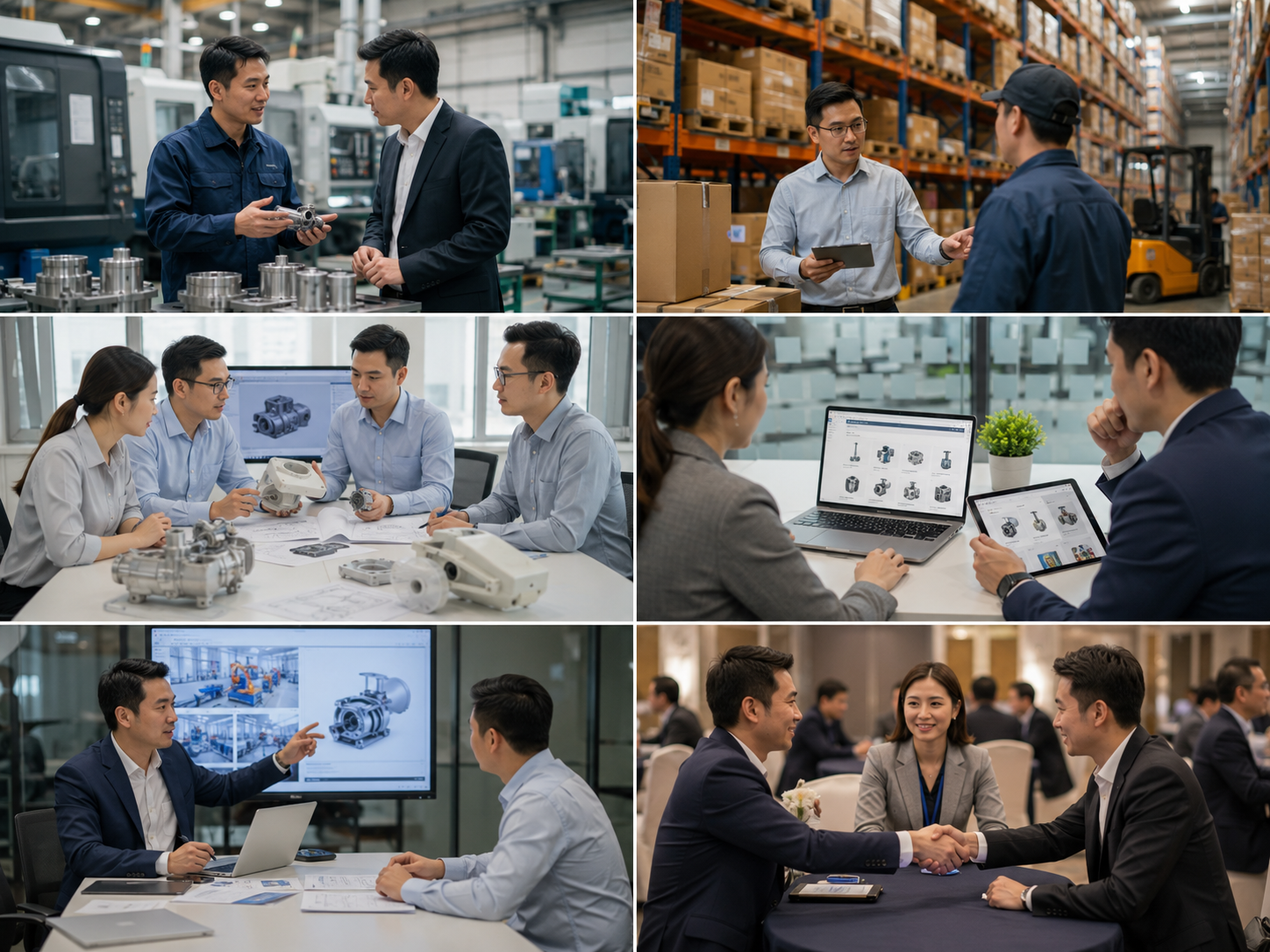
In the modern B2B world, various models are applied depending on the needs and characteristics of each business.
3.1 Manufacturer-to-Business Model
This model is common in industries with complex products and services, especially manufacturing. Manufacturers directly contact and sell to partners and consuming businesses.
Manufacturers need to focus on building sustainable relationships with their customers by providing quality products, good after-sales service, and customized solutions to meet diverse customer needs.
3.2 B2B Distributor Model
Distributors play a very important role in the B2B supply chain. They collect goods from manufacturers and deliver them to other businesses. This model enhances market access for smaller manufacturers.
By building a good warehousing and distribution system, distributors can alleviate pressure on manufacturers in managing inventory and delivery.
3.3 OEM/ODM Model
The OEM (Original Equipment Manufacturer) and ODM (Original Design Manufacturer) models are becoming increasingly popular as many large brands collaborate with manufacturers to produce products based on their designs. This allows smaller brands to quickly launch products without investing heavily in their own production systems.
3.4 B2B E-commerce Platform Model
E-commerce platforms are increasingly becoming an important distribution channel in the B2B model. These marketplaces help businesses connect easily and quickly with partners supplying goods and services.
A typical example of this model is Alibaba, where businesses can find suppliers of goods from all over the world with just a click.
3.5 B2B Service Model
This model involves providing services to other businesses, from consulting, marketing, and customer care to information technology. It allows businesses to specialize more, maximizing their capabilities and expertise.
Businesses can also increase revenue by offering accompanying services with their main products, thereby expanding their revenue streams.
3.6 Business Matching Model
Business matching is not a two-way transaction model but a connection model to seek cooperation opportunities between businesses. With this model, businesses create online or offline networking events to find the most suitable partners for their needs.
This model helps strengthen cooperation between businesses, thereby promoting business activities and expanding customer networks.
4. Advantages and Limitations of the B2B Model
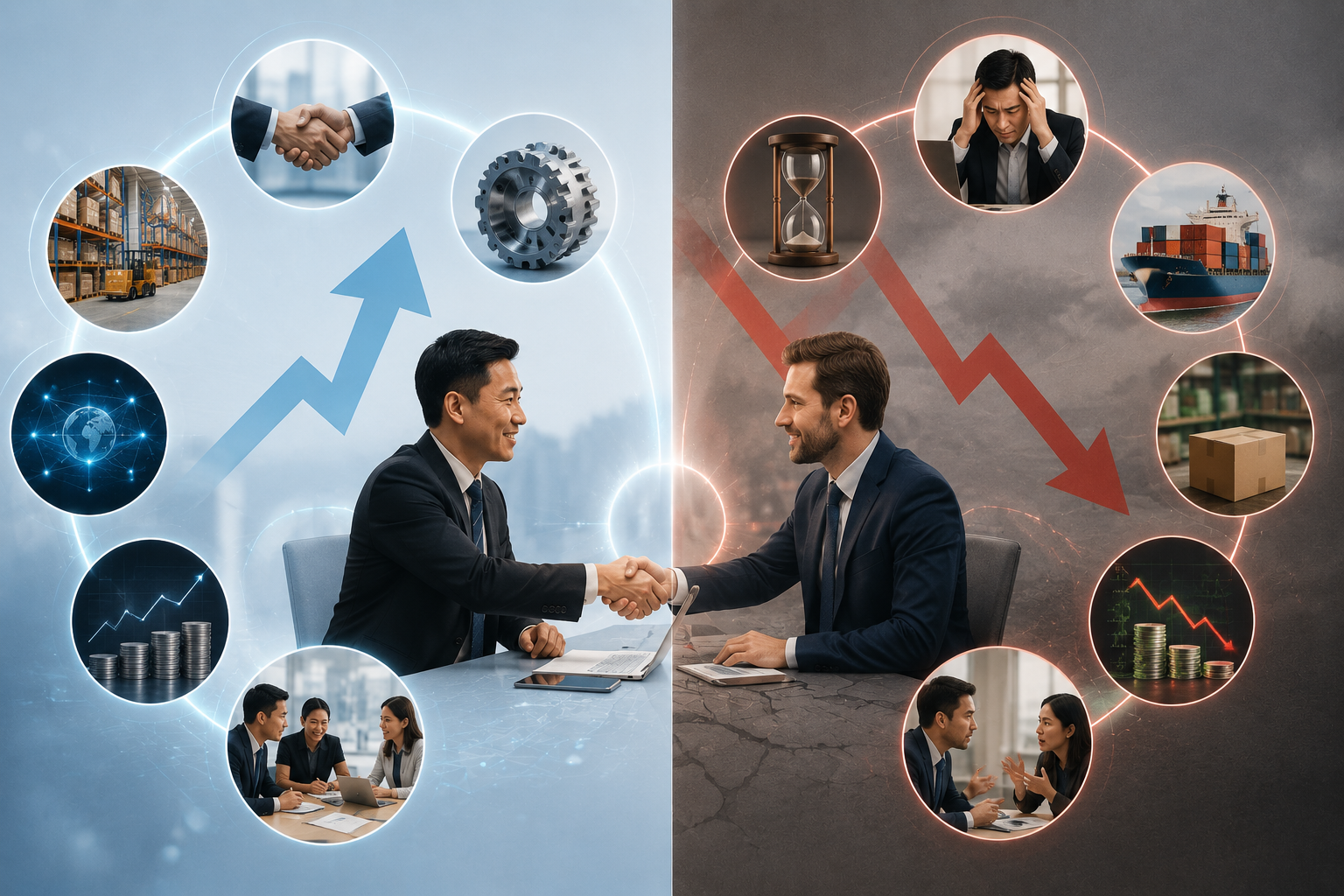
Like any business model, the B2B model also has its own advantages and limitations.
4.1 Advantages
4.1.1 Large order value
One of the major advantages of the B2B model is that the order value is often large. Because it must meet the needs of other businesses, the order value can range up to millions of VND or more, providing businesses with a stable source of income.
4.1.2 Long-term cooperative relationships
The B2B model often fosters long-term cooperative relationships between parties, helping to enhance reputation and brand value. Businesses can easily expand markets and develop new products through these relationships.
4.1.3 Potential for repeat orders
Another major advantage of the B2B model is the ability to generate repeat orders from existing customers. Once a business has built trust with customers, renewing contracts and attracting new orders becomes much easier.
4.1.4 Easy to build a stable supply chain
In the B2B model, establishing a stable supply chain is more feasible than in B2C. Partners within the B2B network can help reduce costs, enhance capabilities, and improve delivery times.
4.1.5 Suitable for manufacturing, supporting industry, OEM/ODM businesses
The B2B model is particularly suitable for businesses involved in manufacturing, processing, and supplying products related to supporting industries. This helps them maximize resources and technical expertise to innovate, develop, and compete in the market.
4.2 Limitations
4.2.1 Long sales cycle
One of the biggest limitations of the B2B model is the long sales cycle. The process of acceptance, negotiation, and contract signing often takes a long time, making it difficult for businesses to maintain financial stability.
4.2.2 Requires investment in company profile, catalog, website, certifications
To succeed in the B2B model, businesses need to invest heavily in completing their company profile, catalog, website, and product-related certifications. This can consume a lot of time and effort.
4.2.3 More complex negotiation process than B2C
In B2B, the negotiation and discussion process is often much more complex than in B2C because it involves multiple departments and requires more detailed information. This can pose difficulties for small businesses that lack sufficient resources to handle it.
4.2.4 Difficulty finding the right buyer or supplier without connection channels
Finally, one of the biggest challenges in the B2B model is finding the right partner, whether a buyer or a supplier. Without effective connection channels, businesses may struggle to find customers or suppliers that match their needs.
5. Which B2B Model Should Businesses Choose?
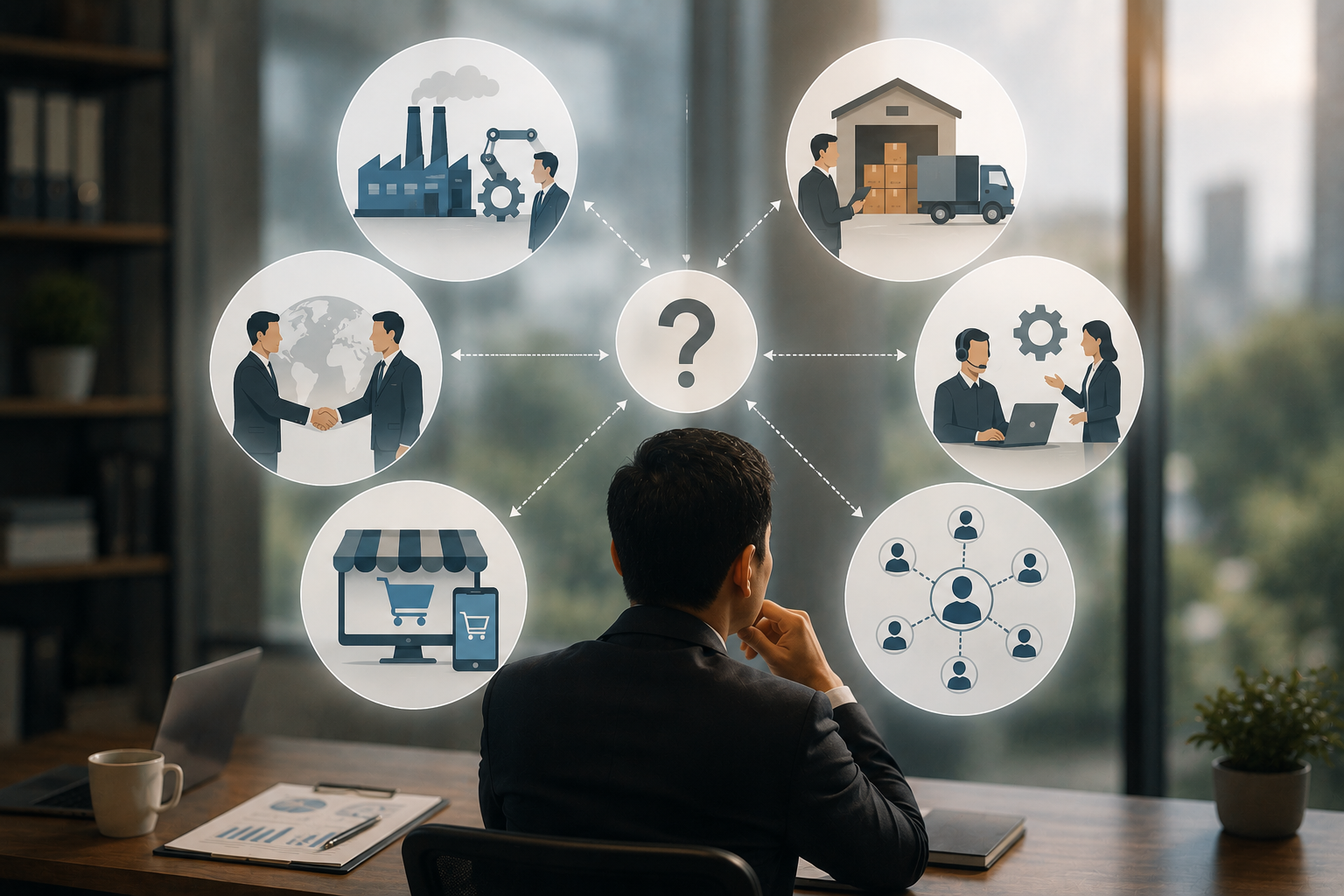
Each business will have its own needs and market, so choosing the appropriate B2B model is essential.
5.1 For manufacturing plants
Directly supplying to large buyers or trading companies can help manufacturing plants optimize their supply chain and reduce intermediary costs. This allows them to be fully proactive in terms of terms and pricing, thereby bringing higher value to long-term projects.
5.2 For processing businesses
Processing businesses can fully build their brand by developing OEM or ODM products. This model not only generates stable income but also helps them improve production skills and specialization in a specific field.
5.3 For trading businesses
Trading businesses can adopt the B2B distribution model to connect goods from manufacturers to other customers. At the same time, supplier sourcing is also a good strategy to build relationships with various suppliers, thereby expanding the company's product portfolio.
5.4 For businesses looking to expand their market
Leveraging communication strategies, SEO technology, B2B commerce platforms, and trade show events is essential to increase access to buyers and expand relationships within the target industry.
5.5 For startups
Startups often need to build a very clear company profile and target market. This helps them not only reach the right buyers but also increase the potential for long-term cooperation in the future.
6. NC Network Vietnam – B2B Connection for Manufacturing Businesses

6.1 NC Network Vietnam connects B2B for businesses
NC Network Vietnam supports B2B connections for manufacturing businesses across various sectors, typically including:
- Mechanical engineering: Supports businesses in finding suitable buyers, manufacturing partners, and cooperation opportunities.
- Metal processing: Connects businesses with buyers needing processing services, thereby expanding opportunities to receive orders.
- Molds and dies: Supports mold and die manufacturing businesses in reaching suitable buyers and partners.
- Industrial plastics: Creates connection opportunities between industrial plastic manufacturing businesses and buyers in various fields.
- Electronics: Supports electronics businesses in reaching domestic and international buyers.
- Automation: Connects businesses providing automation solutions, equipment, and systems with partners having actual needs.
- OEM/ODM: Supports OEM/ODM manufacturing businesses in finding brands, partners, and production cooperation opportunities.
- Supporting industries: Connects businesses within the supply chain, facilitating the expansion of B2B cooperation networks.
6.2 How does NC Network Vietnam support businesses?
NC Network Vietnam supports manufacturing businesses in expanding business opportunities and developing their B2B network through:
- Increased access to suitable buyers: Helps businesses connect with buyers whose needs match their products, services, and production capabilities.
- Finding suppliers based on actual needs: Supports businesses in accessing suitable suppliers, especially for specialized industrial products, components, and services.
- Connecting with Japanese and international businesses: Creates a bridge to help Vietnamese businesses expand cooperative relationships with Japanese partners and international markets.
- Participating in Business Matching and 1:1 trade connections: Creates opportunities for direct meetings between buyers and suppliers based on actual cooperation needs.
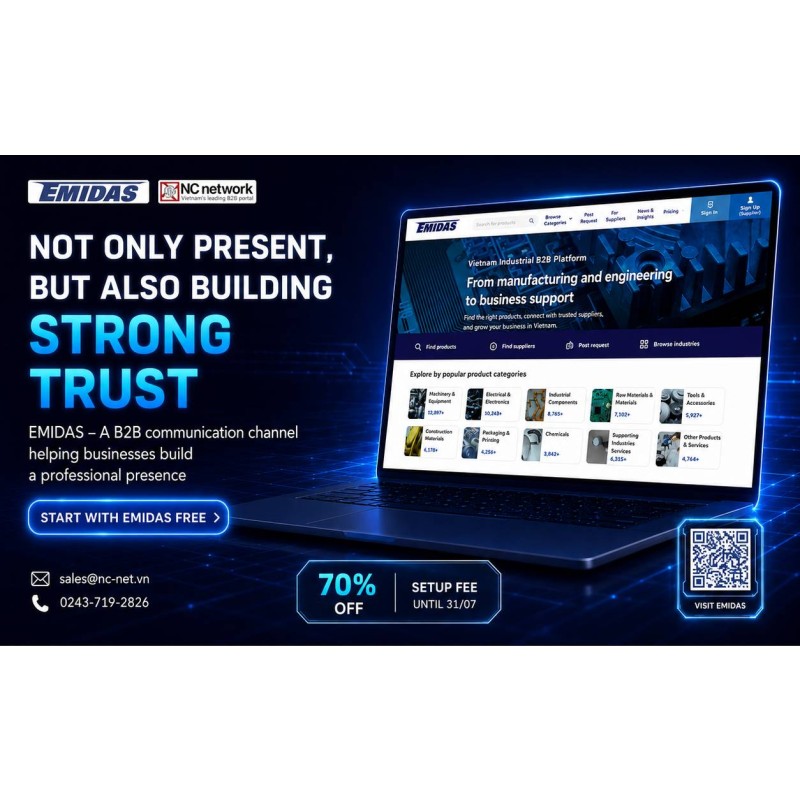
- Building a company profile on EMIDAS: Helps businesses showcase their capabilities, products, technology, and cooperation needs, thereby increasing the likelihood of being found by suitable buyers and partners.
=> Refer to more detailed information in the article: EMIDAS – The Industrial B2B Platform Helping Manufacturing Businesses Establish a Professional Presence
7. Conclusion
The B2B model has proven and continues to prove its important role in the modern economy, contributing to fostering development and cooperation among businesses. With its advantages and various models, businesses need to carefully consider choosing the B2B model that best suits them. With the support of B2B connection platforms like NC Network Vietnam, businesses can grow more quickly and efficiently!
Company Information
Main 3 Products
FBC Asean / Emidas - B2B platform / Emidas Magazine
Phone Number
Homepage URL
NC Network Vietnam: A Sustainable Business Bridge Between Japanese and Vietnamese Enterprises ■ Introduction: Founded in 2010, NC Network Vietnam is a part of NC Network Group, a corporation specializ ...
CONTACT
Contact